Iran-Iraq Relations at Highest Level Ever, Iran’s FM Says During Arba'een Visit
Speaking on Monday, Araghchi described the relationship as being rooted in "a deep bond of unity" as well as strong religious and cultural ties between the neighboring nations.
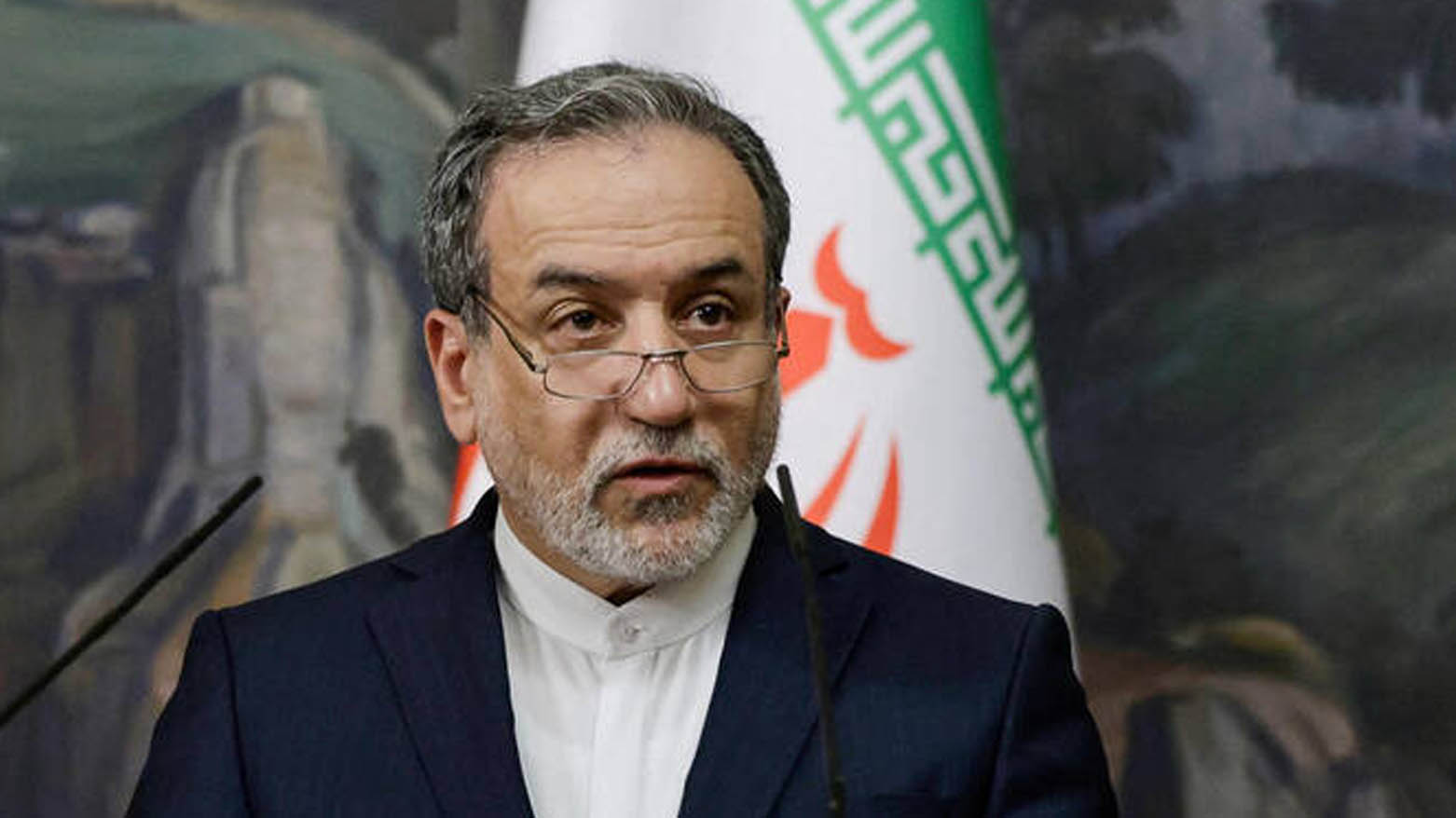
ERBIL (Kurdistan24) – Iranian Foreign Minister Abbas Araghchi said on Monday that relations between Tehran and Baghdad have reached their highest level in history, highlighting growing cooperation across political, economic, security, and cultural sectors during his visit to Iraq for the Arba'een commemoration.
Speaking on Monday, Araghchi described the relationship as being rooted in "a deep bond of unity" as well as strong religious and cultural ties between the neighboring nations. He also praised the Iraqi government's preparations for receiving millions of pilgrims in the holy cities of Najaf and Karbala, saying Tehran was fully satisfied with the services provided.
Araghchi said bilateral ties now extend well beyond religious cooperation, encompassing key sectors including the economy, security, trade, and transportation. He added that Iraqi Prime Minister Ali al-Zaidi's recent visit to Iran had elevated relations into a new phase.
Relations between Iraq and Iran have steadily expanded since 2003, evolving into what both governments describe as a strategic partnership. Iran remains a major supplier of electricity and natural gas to Iraq and is one of the country's largest trading partners, making Iraq one of the biggest markets for Iranian goods.
Al-Zaidi's first official visit to Tehran took place on July 23, when he met Iranian President Masoud Pezeshkian. The visit came just nine days after his meeting with U.S. President Donald Trump in Washington, underscoring Baghdad's efforts to maintain balanced relations with both Washington and Tehran.
During the Tehran visit, al-Zaidi sought to reinforce Iraq's role as a regional mediator while addressing the impact of the recent U.S.-Iran conflict, which significantly disrupted Iraqi oil exports. Among his priorities was securing Iranian guarantees for the safe passage of Iraqi oil tankers through the Strait of Hormuz, a critical route for the country's energy exports.