Iran's Supreme Leader Approves U.S.-Brokered War Deal as Washington Ends Naval Blockade
"I had a different view," Khamenei said, without elaborating, "but I issued my permission due to the commitment" by officials to "protect the rights of the Iranian nation."
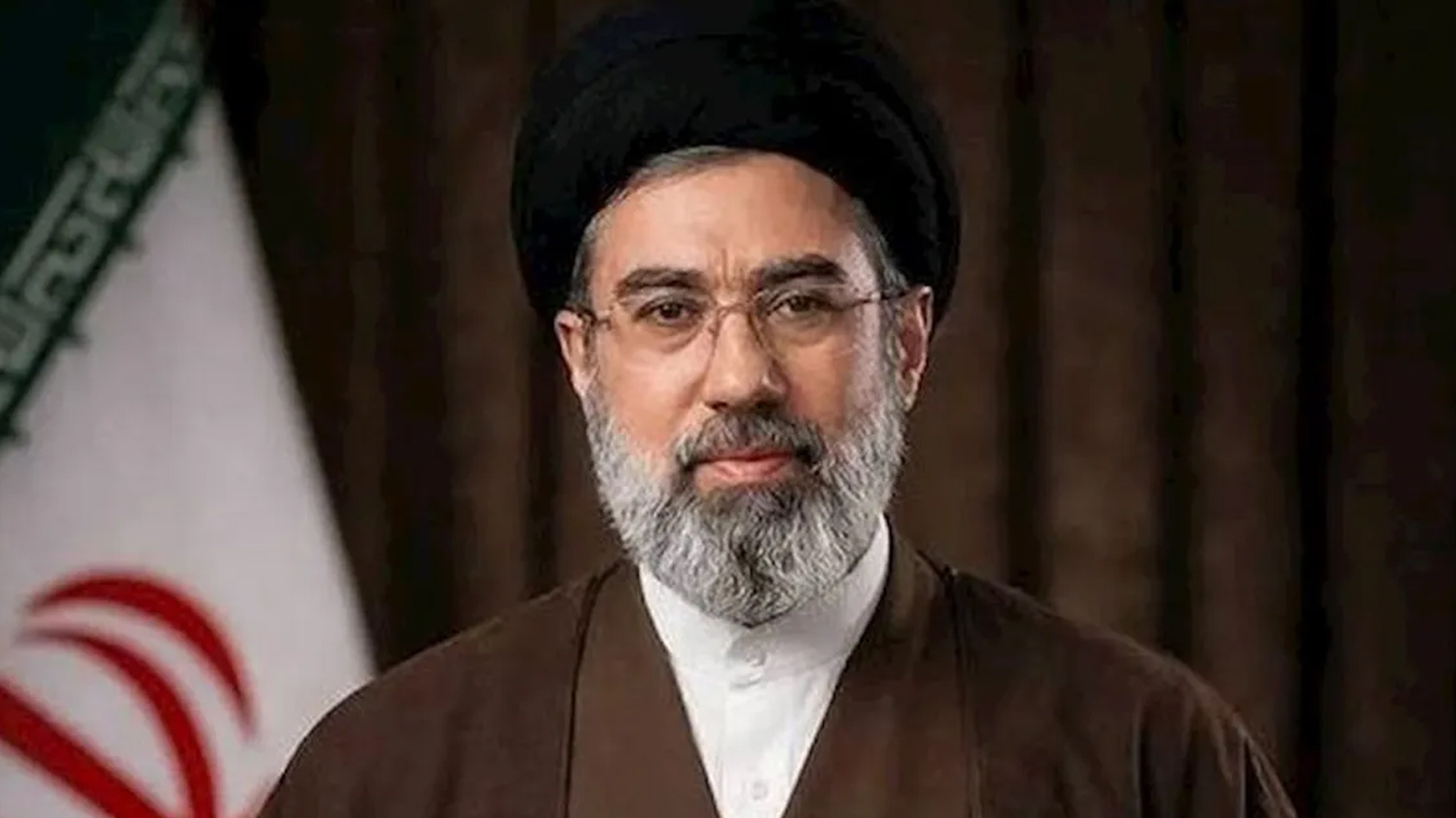
ERBIL (Kurdistan24) – Iran's Supreme Leader Ayatollah Mojtaba Khamenei on Thursday announced that he had approved the agreement signed by U.S. President Donald Trump and Iranian President Masoud Pezeshkian to end the Middle East war, despite saying he personally held reservations about the deal.
In a written statement, Khamenei said he authorized the agreement because of commitments made by Iranian officials, including President Pezeshkian, to safeguard the country's national interests.
"I had a different view," Khamenei said, without elaborating, "but I issued my permission due to the commitment" by officials to "protect the rights of the Iranian nation."
He also stressed that any future direct negotiations with the United States should not be interpreted as accepting Washington's positions, saying face-to-face talks "do not mean accepting the enemy's point of view."
The agreement, signed by Trump and Pezeshkian, initiated a 60-day period of negotiations aimed at addressing broader issues between the longtime adversaries, including Iran's nuclear program.
Despite the breakthrough, uncertainty remains over the next phase of diplomacy. It is still unclear whether the two sides will proceed with a previously announced signing ceremony and direct talks in Switzerland on Friday, as Iran and the United States have had no formal diplomatic relations since the 1979 Islamic Revolution.
Khamenei assumed Iran's highest office after his father, former Supreme Leader Ali Khamenei, was killed in an airstrike on the opening day of the regional conflict on Feb. 28. The new supreme leader, who was reportedly wounded in the same strike, has yet to appear in public since his appointment. Observers are expected to closely watch the funeral ceremonies for Ali Khamenei, scheduled for early July, for indications of the new leadership's direction.
Meanwhile, the U.S. military announced Thursday that American naval forces had lifted the blockade of Iranian ports, allowing commercial shipping to resume after weeks of restrictions imposed during the conflict. U.S. officials stated that American warships would remain deployed in the region despite the end of the blockade.
The agreement also calls for the immediate reopening of the Strait of Hormuz, the critical maritime passage that Iran had blockaded during the war. Although shipping activity remained subdued on Thursday, global oil prices fell sharply following news of the accord, reflecting expectations that energy exports through the strategic waterway will gradually normalize.
The deal marks the most significant diplomatic breakthrough between Washington and Tehran in decades, though major differences remain as both sides prepare for negotiations on Iran's nuclear program and other longstanding disputes.