Iran Delays Swiss Meeting as Tehran and Washington Move Into 60-Day Negotiation Phase
Tehran says a planned Switzerland meeting has been delayed after the U.S. and Iran digitally signed a memorandum of understanding, while both sides move into a 60-day period aimed at reaching a final agreement.
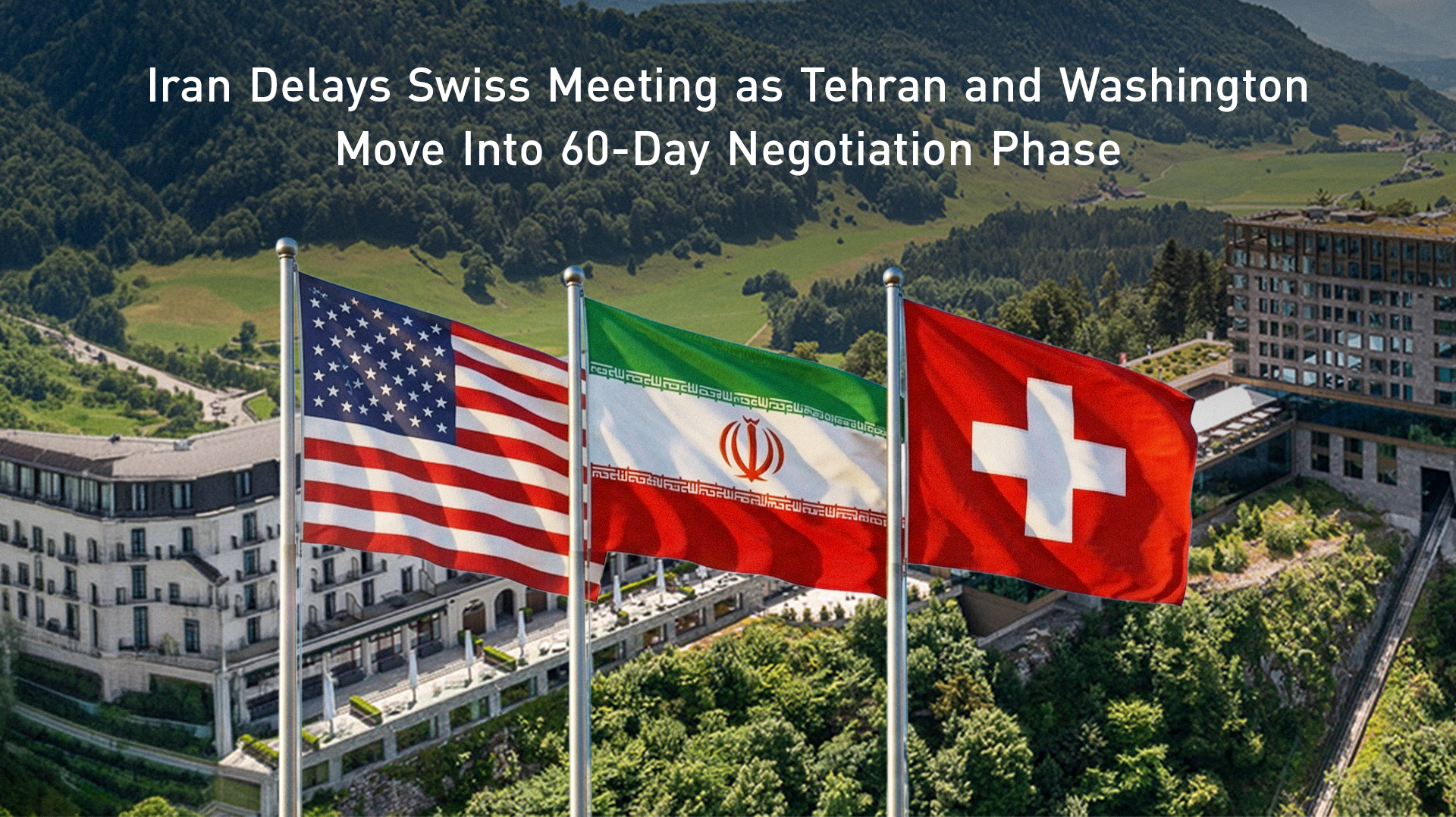
ERBIL (Kurdistan24) - A planned ceremony in Switzerland to formalize the U.S.-Iran memorandum of understanding has been postponed after the document was already signed electronically, according to Iranian Foreign Ministry spokesperson Esmaeil Baqaei, who said the focus has now shifted toward implementing key provisions and advancing negotiations toward a final agreement.
Speaking to reporters on Friday, Baqaei said the primary purpose of the Swiss meeting had been the signing of the text intended to end the conflict. However, he said the ceremony lost its significance after U.S. President Donald Trump and Iranian President Masoud Pezeshkian digitally signed the memorandum in the early hours of June 18.
Baqaei said progress toward a final agreement depends on the practical implementation of five core provisions contained in the memorandum. He specifically highlighted clauses related to ending the war, lifting the maritime blockade, reopening the Strait of Hormuz, releasing frozen Iranian assets, and easing oil-related sanctions.
The Iranian spokesperson rejected reports claiming Tehran had requested inspections of its nuclear facilities by international inspectors. Referring to Clause 8 of the memorandum, he said negotiations on nuclear issues are scheduled to take place during the 60-day negotiation period and only after previously agreed conditions are fulfilled.
According to Baqaei, routine inspections at facilities that were already subject to monitoring, such as the Bushehr nuclear power plant, will continue. However, he said access to facilities allegedly damaged by what he described as U.S. and Israeli attacks would depend on the outcome of future negotiations and a final agreement.
Addressing speculation about maritime traffic, Baqaei denied reports that the Strait of Hormuz had been fully closed.
“Traffic through the strait is continuing normally,” he said, adding that Iranian authorities have implemented all necessary measures under the Islamabad Memorandum of Understanding to ensure the safe passage of commercial vessels.
His remarks came as the Strait of Hormuz Administration announced new procedures for ships seeking to transit the strategic waterway.
In a statement carried by Iranian state media, the authority said vessels wishing to pass through the strait must submit applications at least 48 hours in advance through official channels. Requests submitted through unofficial channels will not be considered.
The authority added that ships meeting the requirements and following the established procedures will be permitted to transit the strait during the designated period. It also stated that no fees or transit charges will be collected from vessels during the 60-day implementation period.
Baqaei's remarks followed reports from the Swiss Foreign Ministry, cited by Reuters, indicating that the reason for postponing the planned U.S.-Iran meeting had not been officially disclosed.
According to information cited by Reuters from U.S. officials, preparations for a visit by U.S. Vice President JD Vance to Switzerland had not been completed.
Vance had been expected to oversee talks alongside Iranian officials before the meeting was postponed indefinitely.
The 14-point memorandum
According to Iranian officials, the memorandum includes a permanent cessation of hostilities across all fronts, including Lebanon, and commits both sides to refraining from attacks or threats against one another.
The document also establishes a 60-day timeline for negotiations toward a final agreement, calls for the removal of the U.S. maritime blockade on Iran, and outlines measures to normalize shipping through the Strait of Hormuz and the Gulf of Oman.
Other provisions include sanctions relief, the release of frozen Iranian assets, authorization for Iranian oil exports, oversight mechanisms to monitor compliance, and a commitment that any final agreement would ultimately be endorsed through a binding United Nations Security Council resolution.
With the memorandum already signed electronically and implementation measures beginning to take shape, attention is now turning to whether both sides can fulfill their initial commitments during the 60-day period and advance toward the comprehensive agreement envisioned in the document.