Iran Re-Closes Strait of Hormuz as Lebanon Fighting Threatens Fragile US-Brokered Deal
Tehran warns Middle East ceasefire agreement with Washington is at risk as Israeli-Hezbollah clashes intensify and Switzerland talks face uncertainty
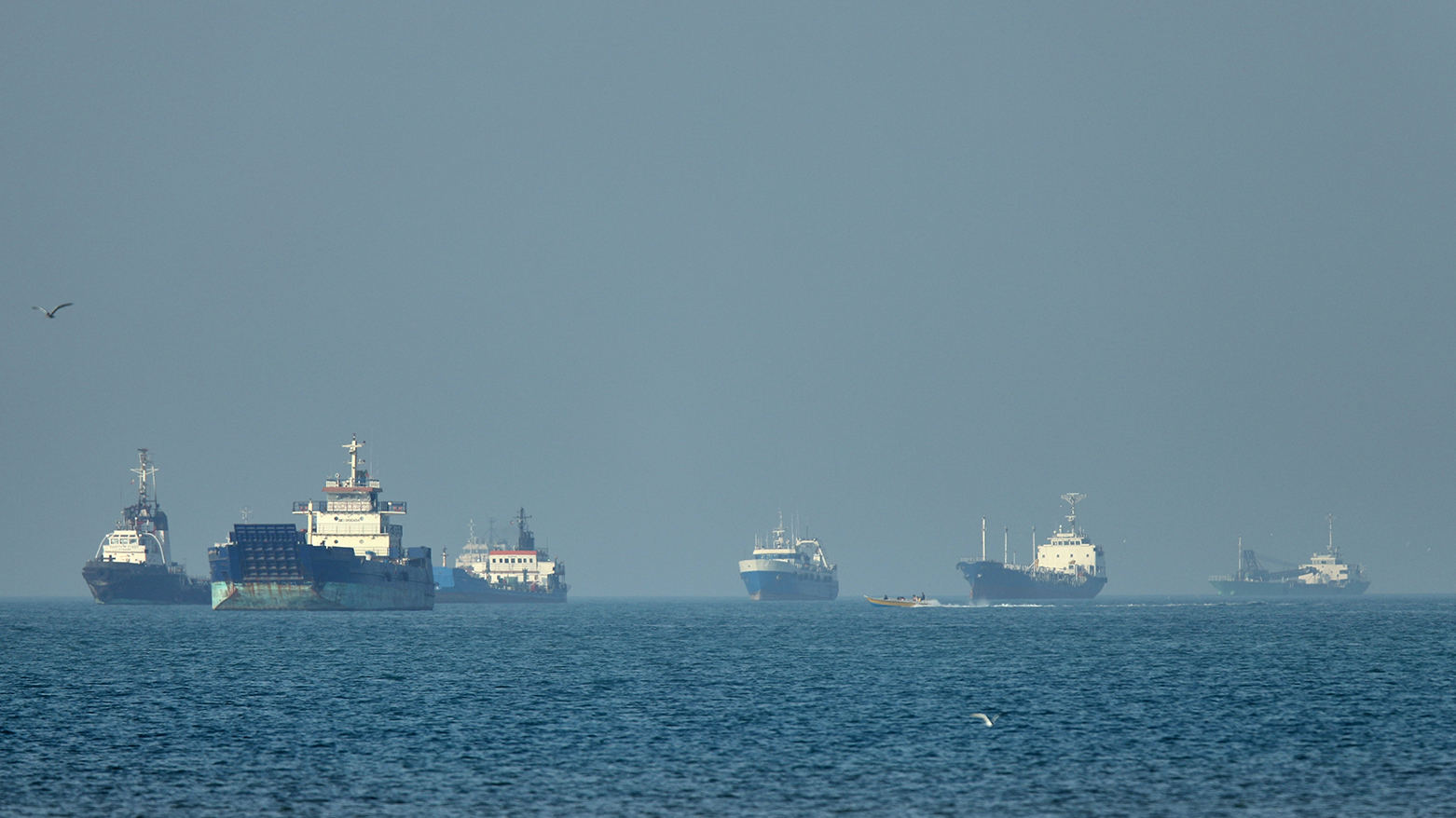
ERBIL (Kurdistan24) — Iran announced on Saturday that it was once again closing the strategically vital Strait of Hormuz, accusing Israel of violating a ceasefire in Lebanon and undermining a recently signed agreement between Tehran and Washington aimed at ending the broader Middle East conflict.
In a statement, Iran's central military command said the closure was a response to what it described as a U.S. “breach of contract” and Israel’s “continuous and relentless violation” of a ceasefire in southern Lebanon.
The move marks a significant escalation that could once again disrupt global energy markets, as the Strait of Hormuz serves as one of the world's most important routes for oil and natural gas exports.
The announcement came as Israeli forces and Hezbollah fighters exchanged fire across southern Lebanon despite a renewed ceasefire announced by the United States and Qatar on Friday.
The latest clashes have raised concerns about the durability of the agreement signed earlier this week by U.S. President Donald Trump and Iranian President Masoud Pezeshkian to halt the wider regional war.
According to Iranian officials, the deal included a key demand from Tehran that hostilities cease on all fronts, including Lebanon. However, follow-up negotiations scheduled for Friday in Switzerland were postponed indefinitely after Israel launched a new wave of strikes in Lebanon following the deaths of four Israeli soldiers in combat.
Israeli military officials said Saturday that operations against Hezbollah continued after the Iran-backed group allegedly launched more than 50 projectiles at Israeli forces in southern Lebanon overnight. Hezbollah, meanwhile, accused Israeli troops of attempting to infiltrate the strategically important Ali Taher hills overlooking the city of Nabatieh, saying its fighters had confronted the forces and repelled the advance.
Lebanese state media reported extensive Israeli airstrikes targeting around 20 locations across southern Lebanon. The country's civil defense agency said at least 16 people were killed in the Nabatieh area, while Lebanon's health ministry reported an additional seven deaths and 13 injuries in a strike on a village near Sidon.
Smoke was seen rising over Nabatieh following the attacks, while witnesses on the Israeli side of the border reported plumes of smoke near the historic Beaufort Castle, a strategic hilltop position captured by Israeli forces last month.
Hezbollah lawmaker Hassan Fadlallah defended the group's actions, saying it retained the “full right to confront this enemy when it attacks us.” Israeli officials maintained that their military operations were a response to Hezbollah attacks and consistent with the terms of the ceasefire.
Israeli Ambassador to Washington Yechiel Leiter said Hezbollah had violated the truce and asserted that Israel was honoring the agreement while defending itself against what he described as terrorist attacks.
The renewed violence has fueled fears among civilians in southern Lebanon. Residents who had recently returned to their homes following earlier pauses in fighting reported preparing once again for possible displacement as uncertainty over the ceasefire grows.
The conflict between Israel and Hezbollah intensified in March after the Lebanese group launched rocket attacks against Israel following the killing of Iran's supreme leader in joint U.S.-Israeli strikes. A previous ceasefire announced in April failed to hold, contributing to months of continued hostilities.
Diplomatic efforts to salvage the broader regional agreement continued on Saturday. Iran's Foreign Ministry announced that its negotiating delegation would travel to Switzerland to discuss implementation of the accord and press for fulfillment of commitments made by the United States.
Foreign Ministry spokesman Esmaeil Baqaei warned that the agreement would face serious difficulties if its provisions were not implemented promptly.
“The other side must take the necessary measures as soon as possible. Otherwise, the entire understanding will be in trouble,” Baqaei said, according to Iran's official IRNA news agency.
The Switzerland talks were intended to launch a two-month negotiating process addressing unresolved issues, including Iran's nuclear program and long-term regional security arrangements. U.S. Vice President JD Vance had been expected to attend, although his trip was postponed following the latest escalation.
Meanwhile, U.S. envoy Steve Witkoff traveled to Switzerland in an effort to keep negotiations on track, while mediator Pakistan dispatched Interior Minister Mohsin Naqvi to Tehran for consultations with Iranian officials.
Switzerland's foreign ministry said representatives from several countries remained engaged in efforts to preserve dialogue between the parties, underscoring international concerns that renewed fighting in Lebanon could jeopardize the fragile agreement intended to bring an end to the Middle East war.