US, Iran Agree to Halt Attacks, Resume Talks as Strait of Hormuz Tensions Persist
Fresh tit-for-tat strikes expose fragility of interim truce as Tehran insists on controlling key global oil shipping route
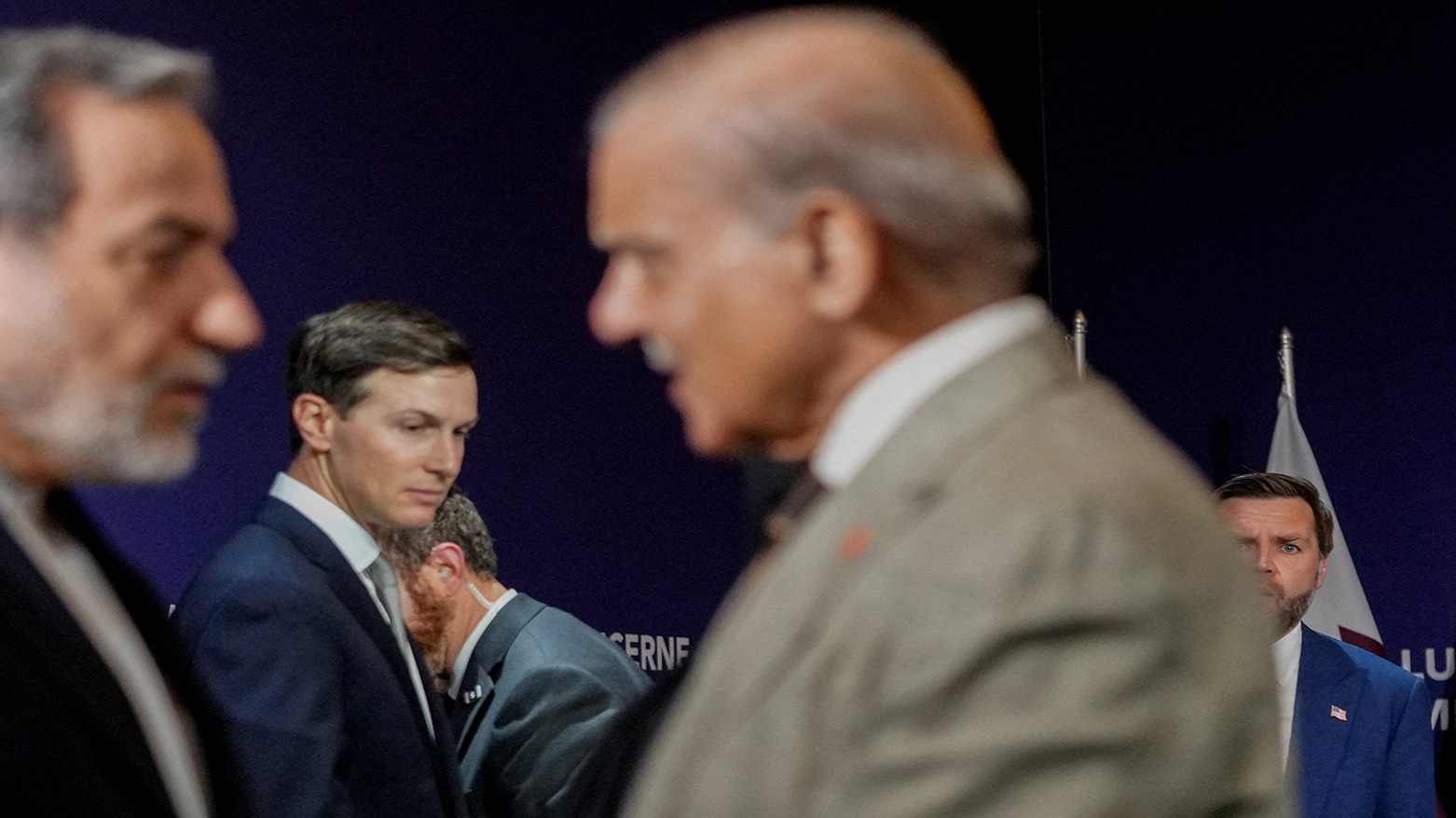
ERBIL (Kurdistan24) — The United States and Iran have agreed to halt further military attacks and resume technical negotiations under their interim memorandum of understanding (MOU), a U.S. official said Sunday, following a fresh exchange of strikes that underscored the fragile nature of the ceasefire between the two rivals.
The latest understanding comes after new tit-for-tat military action threatened to unravel a Pakistan-brokered agreement that ended months of conflict between Washington and Tehran. The war, which claimed thousands of lives, also disrupted global energy markets by severely affecting shipping through the strategic Strait of Hormuz.
"Technical talks are slated to continue on all areas of the MOU," the U.S. official told AFP, adding that "both sides will stand down for now and vessels can move freely" in and around the Strait of Hormuz.
Iran has not publicly responded to the U.S. statement, and Washington did not confirm reports that negotiations could resume in Qatar on Tuesday.
Renewed tensions despite ceasefire
Although a ceasefire took effect in April, intermittent confrontations have continued, particularly around the Strait of Hormuz, one of the world's most strategically important maritime chokepoints. Roughly one-fifth of global oil and liquefied natural gas shipments pass through the narrow waterway during peacetime.
Tehran has maintained that it now oversees passage through the strait, a level of control it did not possess before the conflict. Under customary international law, however, Iran and Oman, whose territorial waters encompass the strait, generally cannot block international transit or impose tolls on passing vessels.
During the war, Iran sharply restricted maritime traffic through Hormuz, giving it significant leverage over global energy supplies. While commercial shipping has gradually resumed, Tehran continues to insist that vessels follow a corridor close to Iran's coastline.
Iranian Foreign Minister Abbas Araghchi warned Sunday that attempts by ships to bypass the route designated by Tehran and instead travel closer to the Omani coast would "increase tensions" and complicate efforts to fully reopen the strait.
The published memorandum of understanding states that the future administration of the Strait of Hormuz will be determined through dialogue between Iran, Oman, and other Gulf states, while remaining consistent with international law.
Military exchanges
The latest escalation began early Sunday when U.S. Central Command announced strikes on 10 Iranian military targets, describing the operation as a response to "continued Iranian aggression against commercial shipping."
Iran responded by launching strikes against U.S. military bases in Kuwait and Bahrain. Both Gulf states condemned the attacks.
While most of the recent military exchanges have not resulted in reported casualties, Qatar's Interior Ministry said one of its citizens was killed aboard a vessel after being struck by shrapnel from military operations in the area.
Tehran signals tougher enforcement
Iran's Islamic Revolutionary Guard Corps said it would continue enforcing its control over shipping in the Strait of Hormuz and warned that vessels violating its regulations would face stronger measures than before.
Mohammad Mokhber, an adviser to Iran's supreme leader, wrote on X that as long as Iran administered the strait, Washington's "hegemonic dreams in the region will not be realized."
Security analysts say further incidents in the waterway remain likely despite the renewed diplomatic efforts.
HA Hellyer, a Middle East analyst at the Royal United Services Institute in London, said Iran could benefit from extending negotiations while maintaining calibrated pressure in the Strait of Hormuz.
"For Iran," he said, "a drawn-out negotiation accompanied by controlled pressure in the strait can work to its advantage."
The renewed commitment to negotiations offers a temporary reprieve after Sunday's escalation, but the competing claims over navigation rights in one of the world's most vital energy corridors continue to pose a significant risk to regional stability and global energy security.