Mass Arrests of Lawmakers Delay Iraqi Parliament's Return from Recess
Parliament's month-long legislative recess ended on July 1, but sweeping corruption-related arrests of lawmakers have cast uncertainty over the resumption of parliamentary work.
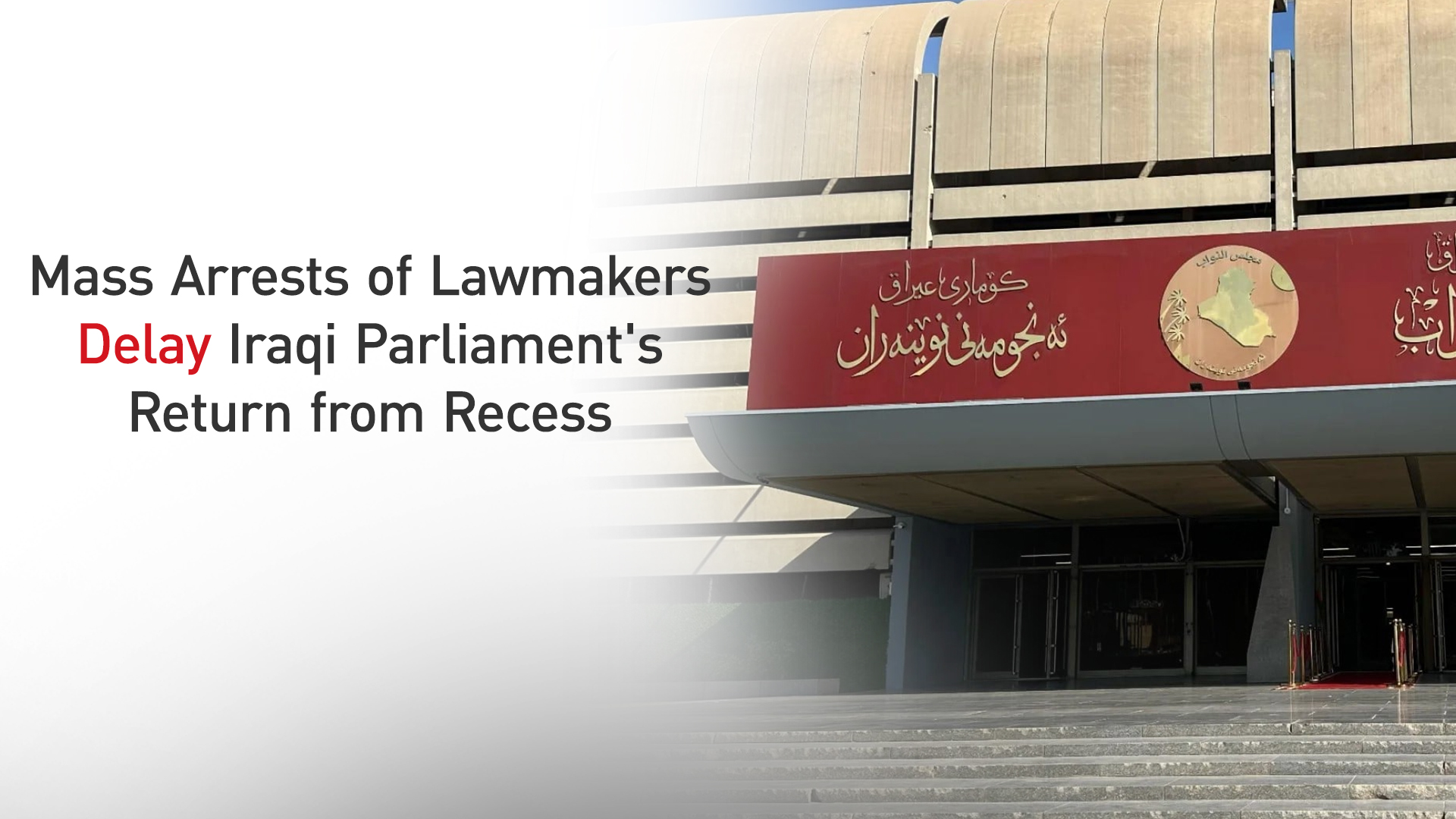
ERBIL (Kurdistan24) - Iraq's month-long legislative recess officially ended on Wednesday, but parliament is unlikely to resume its sessions this week as a sweeping anti-corruption campaign targeting lawmakers and senior officials has created significant political and security challenges.
The operation has so far resulted in the arrest of 47 senior officials and political figures, including 12 members of parliament from the Reconstruction and Development Bloc, on corruption and forgery charges. The number of arrests is expected to rise in the coming days.
Reports indicate the campaign was launched following confessions made by Adnan al-Jumaili, triggering anxiety and uncertainty across Iraq's political establishment.
In a statement to Kurdistan24, MP Sarwa Mohammed confirmed that the legislative recess had officially concluded but said ongoing anti-corruption operations and the current security tensions make it unlikely that parliament will hold a session this week.
She said the arrest of 12 lawmakers had generated widespread concern among members of parliament, who believe that while the legal measures may be necessary, they have damaged the reputation and standing of the legislature.
"Because of these individuals, the image of all 329 members of parliament has been tarnished in the eyes of the public," she said.
According to Kurdistan24's observations, the Green Zone and residential areas housing lawmakers remain under heightened security, with an atmosphere of uncertainty prevailing.
A significant number of lawmakers have reportedly left the Green Zone out of concern they could also face arrest, making it difficult to secure the legal quorum required to convene parliamentary sessions.
The Iraqi parliament operates two legislative terms each year, separated by a one-month recess. Although the new legislative term was scheduled to begin on July 1, it has effectively been delayed as the country's largest anti-corruption campaign continues.
Parliamentary activity is now expected to remain on hold until developments become clearer, with next week expected to include the first readings of several draft laws if sessions resume.