Iraqi PM urges public to report corruption-linked assets, promises financial rewards
Al-Zaidi says citizens have a national duty to help recover stolen public funds as the government intensifies anti-corruption efforts
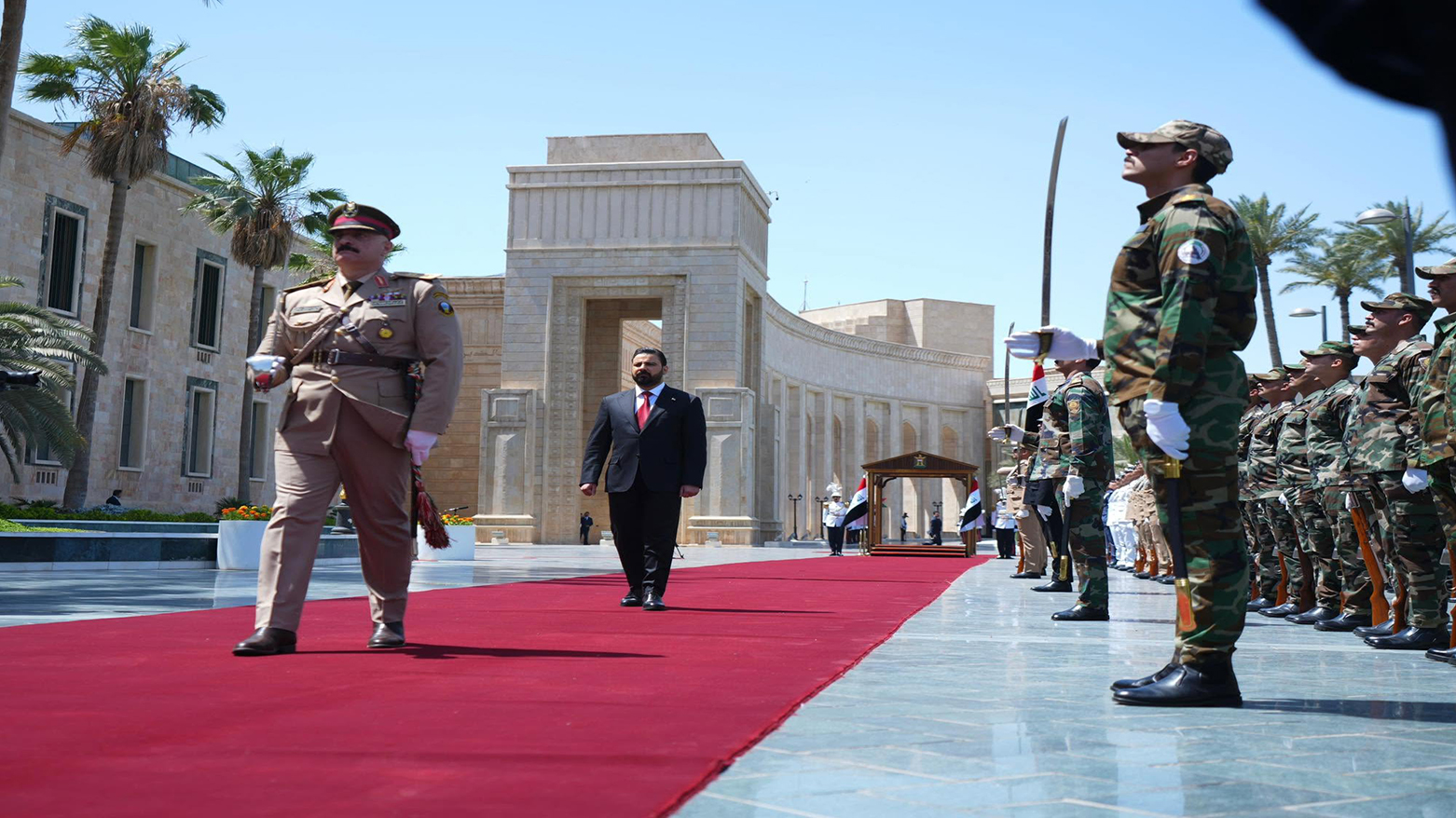
ERBIL (Kurdistan24) — Iraqi Prime Minister Ali Faleh al-Zaidi has called on citizens across the country to report public assets and state funds obtained through corruption, pledging financial rewards for informants as part of Baghdad's expanding campaign to recover embezzled public money.
In a statement issued by the Prime Minister's Media Office late Saturday, al-Zaidi urged all Iraqis to notify authorities of public assets and funds derived from corruption-related crimes, stressing that doing so is a "religious, moral, and national responsibility."
The prime minister said the initiative reflects his government's commitment to safeguarding public wealth and implementing the anti-corruption priorities outlined in its ministerial program.
Al-Zaidi also directed authorities to grant "appropriate financial rewards" to individuals who provide information leading to the discovery and recovery of stolen public assets, in accordance with Iraqi law.
The statement said the rewards are intended to recognize citizens' national role in supporting anti-corruption efforts and protecting state resources.
Authorities will announce a dedicated electronic platform at a later date through which citizens will be able to submit information related to suspected corruption-linked assets, the statement added.
Earlier in the day, al-Zaidi reaffirmed his government's commitment to pursuing corruption cases, recovering state assets, and strengthening the rule of law, declaring that Baghdad would not retreat from its anti-corruption campaign despite mounting challenges or political pressure.
In a statement posted on X, al-Zaidi said his government would continue "with firmness and determination" to pursue corrupt officials, restore the state's rights, and reinforce institutions based on justice and accountability.
The announcement comes as Iraq continues to face deep-rooted corruption challenges that have drained billions of dollars from public finances over the past two decades.
Successive governments have pledged to combat graft, strengthen accountability, and recover state assets believed to have been smuggled abroad or unlawfully acquired through abuse of public office.
Since taking office, al-Zaidi's government has repeatedly identified combating corruption as one of its top priorities, alongside improving public services, strengthening state institutions, and enhancing financial oversight.
Iraqi authorities have expanded cooperation among judicial bodies, integrity institutions, and financial regulators in an effort to trace illicit assets and prosecute those accused of embezzling public funds.
Despite repeated reform initiatives, international watchdogs and domestic observers continue to rank corruption among Iraq's most pressing governance challenges, arguing that stronger enforcement mechanisms, greater institutional transparency, and public participation remain essential to achieving lasting progress in the fight against financial crime.