Mosul's Arabs Renew Appeal for Kurdish Families to Return, Reviving a Tradition of Coexistence
A heartfelt appeal from Mosul reveals why rebuilding a city sometimes begins with rebuilding the bonds between its people.
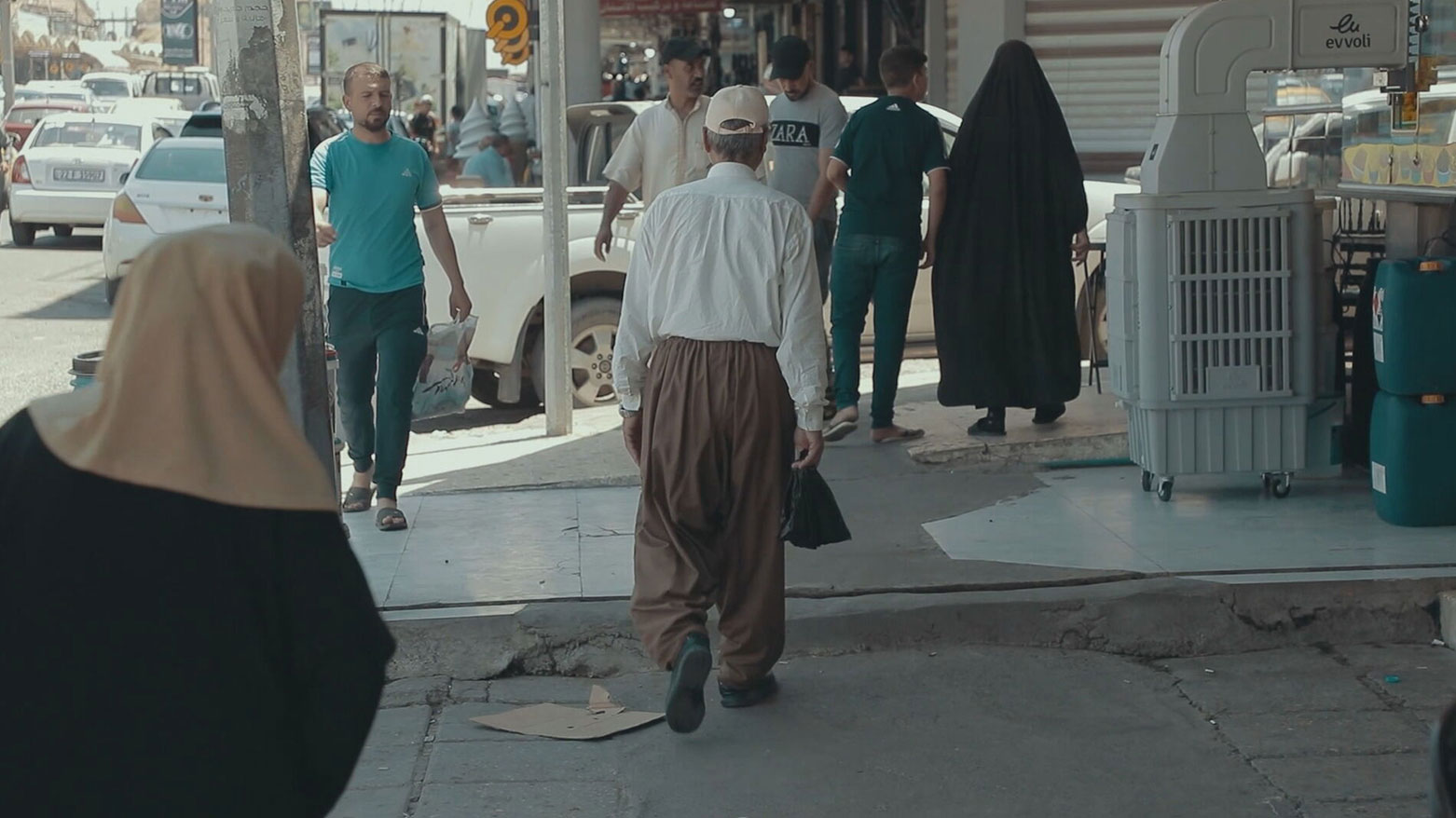
ERBIL (Kurdistan24) - In the markets and neighborhoods of Mosul, where generations of Arabs, Kurds, Turkmen, Shabak and others once shared daily life, memories of coexistence continue to shape conversations about the city's future. Today, those memories are finding renewed expression as Arab residents publicly call for Kurdish families who left over the past two decades to return, arguing that the city's identity has never been defined by a single community.
According to a report by Kurdistan24's correspondent Chakdar Jamal, the appeal reflects more than nostalgia.
It points to a growing recognition among many residents that rebuilding Mosul requires restoring the social relationships that once animated its streets alongside the reconstruction of homes, businesses and public institutions.

The transformation has been gradual but profound. Since 2003, a significant portion of Mosul's Kurdish population has relocated, primarily to the Kurdistan Region.
Statistics tracking Iraq's ethnic communities indicate that roughly half of the city's Kurdish residents have departed during that period, leaving Kurds today to account for an estimated 7% to 9% of Mosul's population.
While those figures illustrate a demographic shift, many residents say the more lasting impact has been felt in the city's everyday social life.
For Imad Hassan, a Kurdish businessman in central Mosul, the change is visible at the neighborhood level.

Areas that were once overwhelmingly Kurdish, he told Kurdistan24, now have only a small fraction of their former population. He expressed hope that families who left would one day return, saying the presence of longtime neighbors made the city richer and more vibrant.
That sentiment is echoed by Arab residents who remember Mosul as a place where ethnic identity rarely prevented close personal relationships.
Hussein Abbas, a merchant in the city's historic bazaar, described Mosul as belonging equally to Kurds, Arabs, Turkmen and Shabak, adding that those who left should feel that the city remains their home.

For Zanon Younis, those memories are deeply personal.
Many of his Kurdish friends and neighbors eventually settled in Duhok, Erbil, Kalak and Bardarash after leaving Mosul, he said.
Their departure changed the rhythm of neighborhood life, and he hopes they will one day return to rebuild the bonds that once connected their communities.
Those voices point to a broader understanding of what has long distinguished Mosul.

As one of Iraq's most important historic cities, it developed through the interaction of diverse ethnic and religious communities whose shared commercial life, neighborhood ties and cultural exchanges helped shape its identity over centuries.
That pluralism was never without challenges, yet many residents continue to regard it as one of the city's defining strengths.
The Kurdish imprint remains visible throughout Mosul despite the community's reduced numbers.

On the city's eastern bank, neighborhoods including Nabi Bazaar, Kurdish Bazaar, Atshana, Al-Jaza'ir, Arpachiya, Sheikhan and Karama still bear witness to a longstanding Kurdish presence.
Across the Tigris on the western side, districts such as Faruq and Najjar likewise retain reminders of communities that helped shape the city's commercial and social landscape.
Mosul's experience resonates beyond Iraq because it reflects a challenge confronting many post-conflict societies: rebuilding trust after communities have been displaced.

Restoring infrastructure can revive a city's physical appearance, but restoring confidence among neighbors often proves a longer and more delicate process.
Questions of return, coexistence and reconciliation have become central to recovery efforts in regions emerging from conflict around the world.
The renewed calls from Arab residents therefore speak to more than demographic statistics. They suggest an aspiration to preserve the diverse character that has historically distinguished Mosul and to ensure that its future, like its past, is shaped by the presence of the communities that together gave the city its enduring identity.

|
Summary Arab residents in Mosul are urging Kurdish families to return, highlighting the city's multicultural heritage and the role of coexistence, reconciliation and inclusive recovery in rebuilding one of Iraq's most historic urban centers. |