KRG Adds 1,100 MW, Expands Natural Gas Network Under Ninth Cabinet
Despite budget constraints, the KRG says it expanded electricity generation by 1,100 megawatts, advanced strategic natural gas infrastructure, and maintained uninterrupted power services, underscoring what officials describe as sustained progress under the Ninth Cabinet.
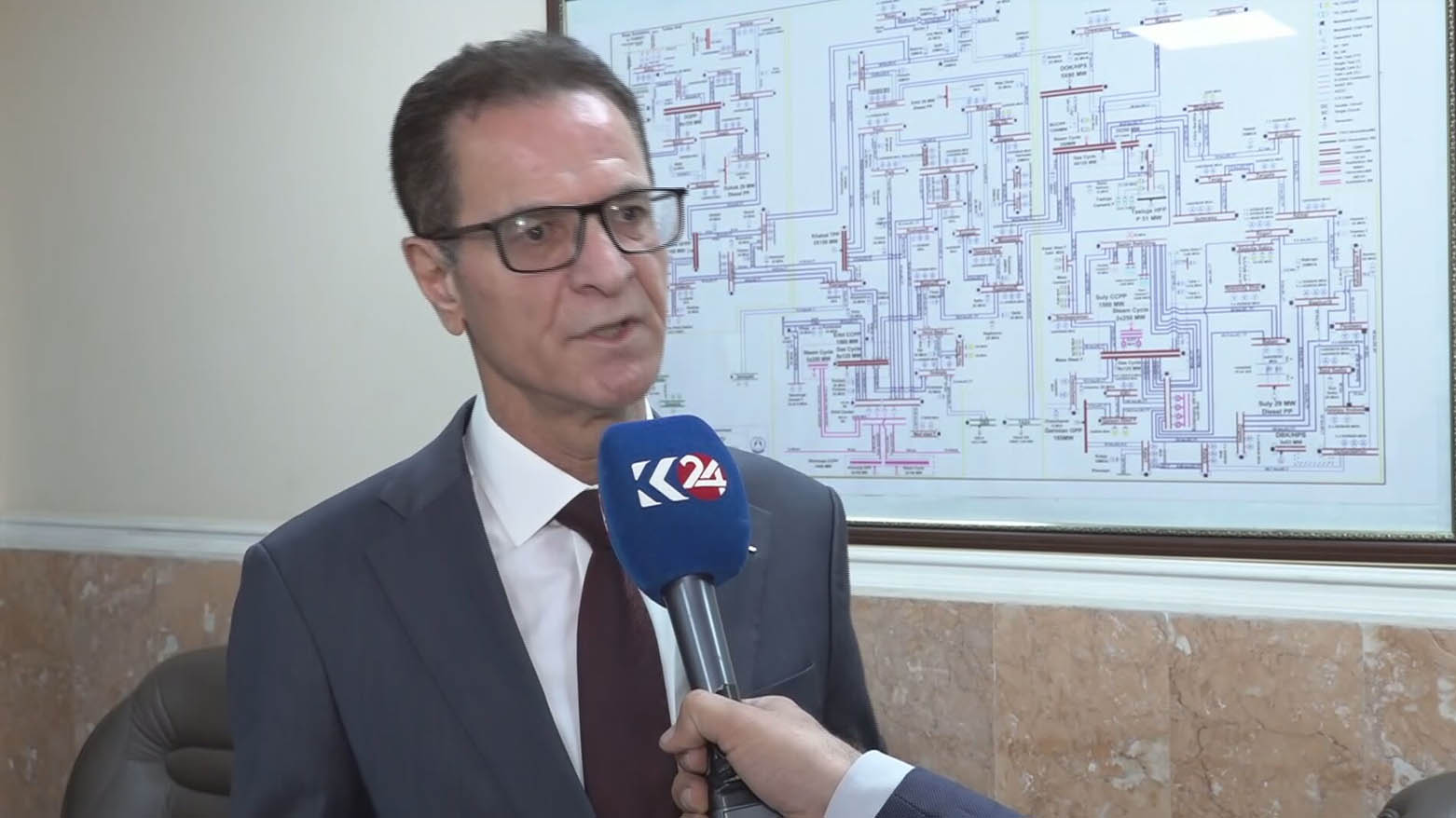
ERBIL (Kurdistan24) - The Kurdistan Regional Government has maintained uninterrupted electricity services while significantly expanding power generation and strategic energy infrastructure despite years of financial constraints, according to Omed Ahmed, spokesperson for the KRG Ministry of Electricity.
Speaking to Kurdistan24 on Thursday, Ahmed said the Ninth Cabinet had added 1,100 megawatts of electricity generation capacity during its tenure while continuing maintenance and expansion work across the Region's transmission and distribution network.
He said those gains were achieved despite prolonged budget shortages that placed sustained pressure on public services.
His remarks come as the KRG presses ahead with broader reforms of the electricity sector through its Runaki program, an initiative designed to modernize power delivery, strengthen energy infrastructure and extend uninterrupted electricity across the Kurdistan Region.
Together, the government's investments in generation capacity, natural gas infrastructure and grid expansion represent a long-term strategy to improve energy reliability after years of fiscal and political challenges.
According to Ahmed, the electricity sector has continued to advance over the past seven years under the Ninth Cabinet's agenda, with officials prioritizing continuity of service while simultaneously expanding the system's capacity to meet rising demand.
Beyond increasing installed generation, Ahmed said the ministry carried out continuous maintenance and upgrades across the Kurdistan Region's electricity grid, describing the work as essential to improving network stability and ensuring that additional power could be delivered efficiently to consumers.
Fuel supply has formed another key element of the government's strategy.
Ahmed told Kurdistan24 that natural gas deliveries to electricity generating stations have increased substantially within a relatively short period, allowing more plants to operate with greater consistency and supporting higher electricity production across the Region.
He identified the expansion of gas infrastructure as one of the Ninth Cabinet's most consequential achievements.
In particular, Ahmed highlighted the Erbil-Duhok gas pipeline, describing it as the first project of its scale undertaken in the Kurdistan Region and a strategic undertaking developed through cooperation between the Ministries of Electricity and Natural Resources.
The project, he said, represents more than a new pipeline.
By linking key parts of the Region's energy network, officials view it as an important component of efforts to secure a more reliable fuel supply for power stations and strengthen the resilience of the electricity system over the longer term.
Ahmed also pointed to the completion of the Chamchamal-Khor Mor gas pipeline, saying the project has played an important operational role by increasing the availability of natural gas for electricity generation. According to his assessment, expanded gas infrastructure has directly contributed to higher generating capacity and improved the stability of electricity supplies.
Those infrastructure investments coincide with continued implementation of the Runaki electricity program, which the KRG has presented as the centerpiece of its effort to overhaul electricity services.
According to earlier Kurdistan24 reporting, the Ministry of Electricity announced this week that more than 90% of the Kurdistan Region now receives uninterrupted, 24-hour electricity through the Runaki program.
Ministry data also indicated that around 80% of households continue to pay less for electricity than they did under the previous system despite receiving continuous service.
Read More: More Than 90% of Kurdistan Region Now Has 24-Hour Electricity Under Runaki Program
The ministry's latest billing figures suggest that lower electricity costs have generally been maintained for households consuming within specified thresholds, although those benchmarks differ by province.
In Erbil, Sulaimani, Duhok and Halabja, consumption and payment levels vary according to local usage patterns, with ministry data indicating that many lower-consuming households have continued to benefit from reduced overall costs under the revised tariff structure.
Prime Minister Masrour Barzani first announced the Runaki program in October 2024 as part of a broader modernization agenda for the electricity sector.
The KRG Council of Ministers subsequently approved both the program and its progressive tariff system in May 2025, establishing the framework for a phased expansion of uninterrupted electricity service throughout the Region.
The government has said it aims to provide continuous electricity to every household and business in the Kurdistan Region by the end of 2026, completing the rollout of the program.
Ahmed's assessment links that objective to the broader investments made during the Ninth Cabinet's tenure.
While emphasizing the challenges posed by prolonged financial constraints, he argued that expanding electricity generation, reinforcing the grid and strengthening natural gas infrastructure have enabled the government to sustain service while laying the groundwork for a more resilient energy system.
|
Summary Despite prolonged fiscal constraints, the KRG expanded electricity generation by 1,100 MW, strengthened strategic gas infrastructure and maintained uninterrupted service, while the Runaki program now delivers 24-hour electricity to more than 90% of the Kurdistan Region. |