Iraqi Judiciary Unveils Dual Anti-Corruption Strategy, Details Progress in 'Theft of the Century' Case
The council outlined its legal approach to combating corruption, revealed new developments in the high-profile tax deposit case, and reaffirmed its commitment to recovering stolen public assets while prosecuting those responsible.
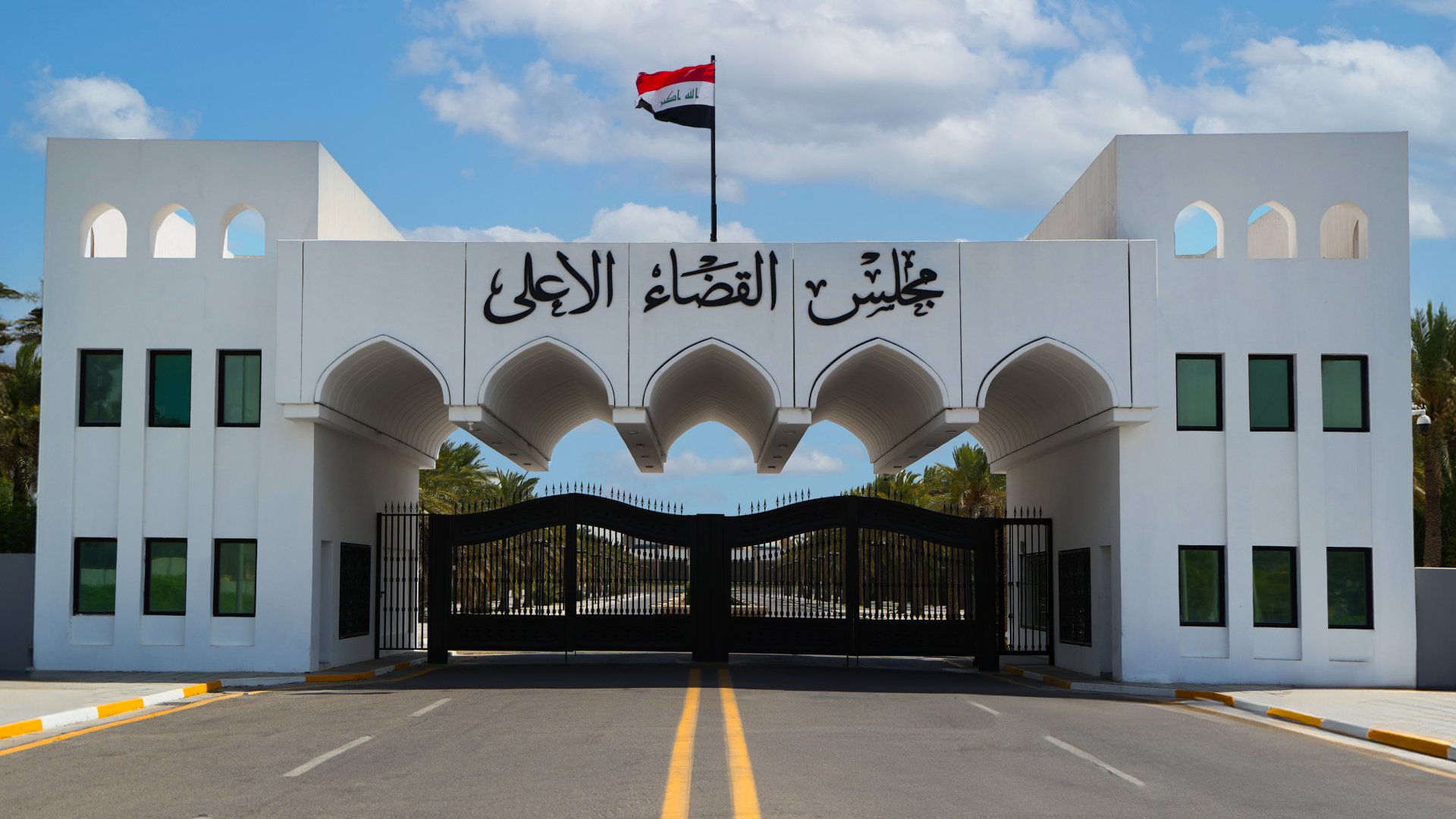
ERBIL (Kurdistan24) - Iraq's Supreme Judicial Council on Thursday outlined its strategy for combating financial and administrative corruption, saying its approach is built on two parallel objectives: ensuring fair punishment for those convicted of corruption while recovering stolen public funds for the state treasury.
In a detailed statement, the council said Iraqi law provides the judiciary with flexibility to apply reduced legal measures or lighter sentences to defendants who demonstrate meaningful cooperation in returning embezzled state funds. It stressed that such procedures are carried out within strict constitutional and legal safeguards to protect the state's rights.
The council disclosed new details regarding the tax deposit case, widely known in Iraq as the "Theft of the Century."
According to the statement, the case began when the companies Al-Qant and Al-Mubdieoon, owned by the convicted businessman Noor Zuhair, used illegal procedures to withdraw tax deposit funds that had been placed by foreign companies as performance guarantees.
The council said Noor Zuhair had previously been released on bail under an agreement between the Supreme Judicial Council and the previous Iraqi government, with the approval of the investigating judge, to enable him to return the embezzled funds.
That arrangement resulted in the recovery of 365 billion Iraqi dinars out of the 1.618 trillion Iraqi dinars owed by his two companies. The council noted that the total amount withdrawn from Rafidain Bank through all companies involved in the scheme reached 3.831 trillion Iraqi dinars.
However, the repayment process stopped after Noor Zuhair left Iraq, prompting the Central Anti-Corruption Criminal Court to sentence him in absentia to 10 years in prison and activate international procedures through Interpol to secure his extradition.
The council also said a request submitted by his lawyer to include him under Iraq's amended Amnesty Law in exchange for completing repayment remains pending, awaiting a response from the Ministry of Finance, which is the injured party in the case, regarding the repayment mechanism and its legal position.
The Supreme Judicial Council said Iraqi courts have continued to prosecute those linked to the case.
According to the statement, courts have issued prison sentences in the presence of the defendants against 12 employees of the General Commission for Taxes for facilitating the illegal withdrawals.
The judiciary has also handed down prison sentences in absentia against the former prime minister's office director and several advisers, while international recovery procedures have begun to secure their return.
In addition, courts have convicted individuals outside the government who, according to the council, exploited their connections with the former finance minister. Their movable and immovable assets have been confiscated.
The council further announced the seizure of properties and assets belonging to convicted individuals both inside Iraq and in Kuwait.
The council said it has closed its investigation into the former Iraqi prime minister who was in office when the crime occurred, citing insufficient evidence to establish his direct involvement.
Concluding its statement, the Supreme Judicial Council said it will continue coordinating with the current prime minister to establish a legal roadmap aimed at recovering stolen public funds while encouraging those involved to voluntarily return the money in exchange for legal facilitations.
The council added that other corruption cases, including the North Refineries Company case involving Adnan al-Jumaili and other members of parliament, will be handled under the same legal standards if the embezzled funds are returned.