Iraq Unveils New Oil Export Strategy to Reduce Reliance on Strait of Hormuz
The Iraqi government says new export corridors backed by US and Qatari companies will strengthen energy security by reducing reliance on the Strait of Hormuz amid heightened regional tensions.
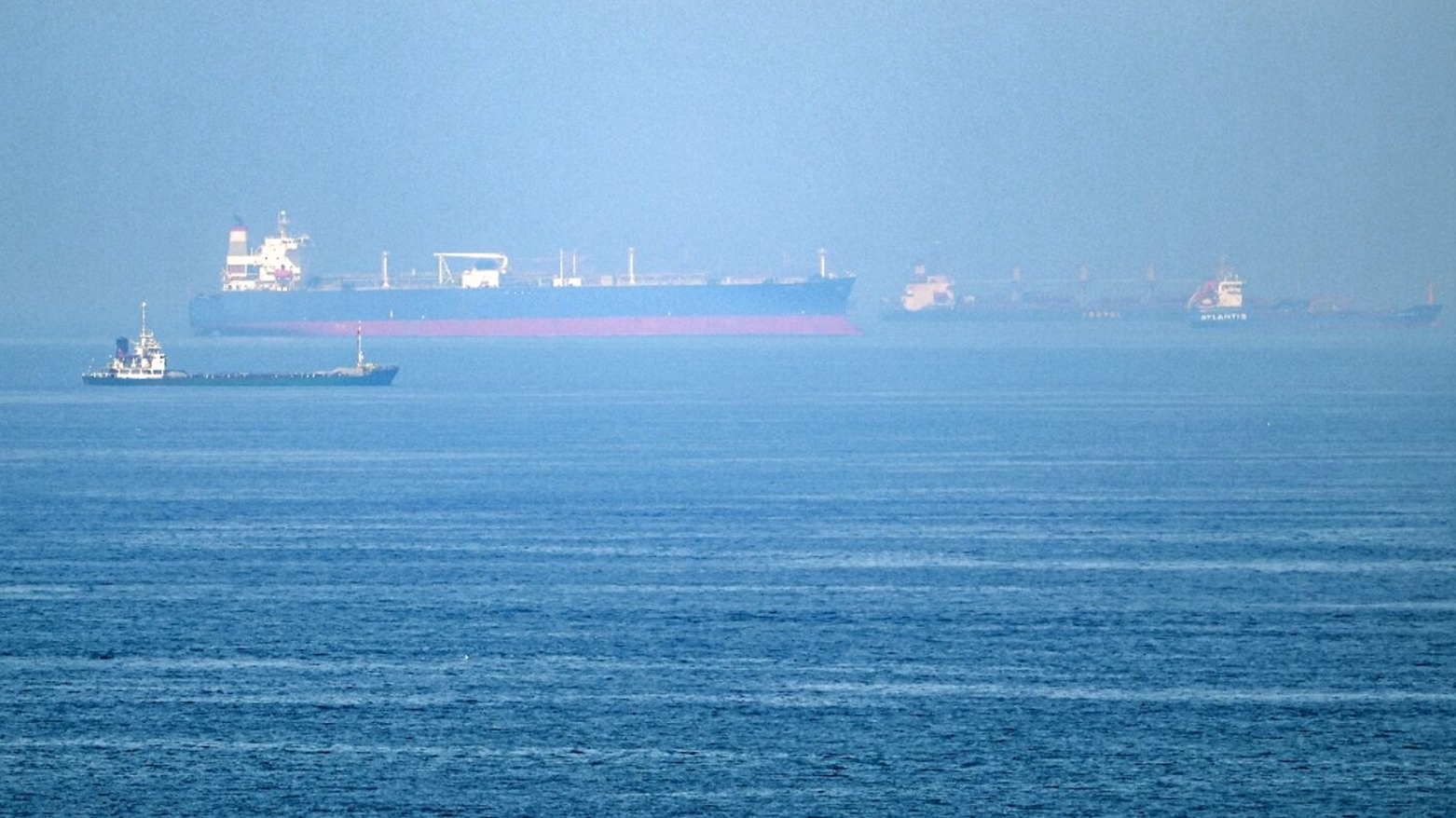
ERBIL (Kurdistan24) - Iraq has launched a comprehensive strategy to diversify its crude oil and petroleum product export routes beyond the Strait of Hormuz, Oil Minister Bassem Mohammed Khudair announced, describing the initiative as a long-term effort to strengthen the country's energy security and eliminate dependence on a single export corridor.
Khudair, who is currently in the United States as part of an official delegation led by Prime Minister Ali al-Zaidi, said American and Qatari companies will provide technical and logistical support for the development of new export routes that bypass the strategic waterway.
Speaking to American media, Khudair identified the companies participating in the project as US-based TI Capital and Qatar's UCC, which will work with Iraq to build a strategic export pipeline network extending from Basra to Fishkhabour.
"Iraq possesses enormous oil and gas wealth, and it is not logical to confine exports to a single outlet," the minister said.
According to Khudair, the project forms part of Iraq's broader strategy to ensure more resilient energy exports by establishing alternative routes capable of reducing risks associated with geopolitical disruptions.
The Iraqi government's export diversification initiative comes with what officials described as US backing aimed at strengthening regional energy security and reducing vulnerabilities linked to geopolitical tensions in the Gulf.
The announcement coincided with continued gains in global oil prices as markets reacted to renewed military tensions surrounding the Strait of Hormuz.
Oil prices rose for a third consecutive session after the United States resumed its naval blockade targeting Iranian shipping and carried out a new round of strikes near the strategic waterway. Brent crude approached $86 per barrel, while US benchmark WTI climbed above $80 per barrel.
Market analysts said geopolitical risks continue to support crude prices, with concerns over commercial shipping through the Strait of Hormuz remaining elevated despite recent efforts to stabilize global energy markets.