Iraq Warns Khor Mor Gas Shutdown Could Trigger 1,400 MW Electricity Deficit
Security-related disruption at the Khor Mor gas field prompts emergency electricity measures across Iraq as authorities work to stabilize power supplies and restore generation capacity.
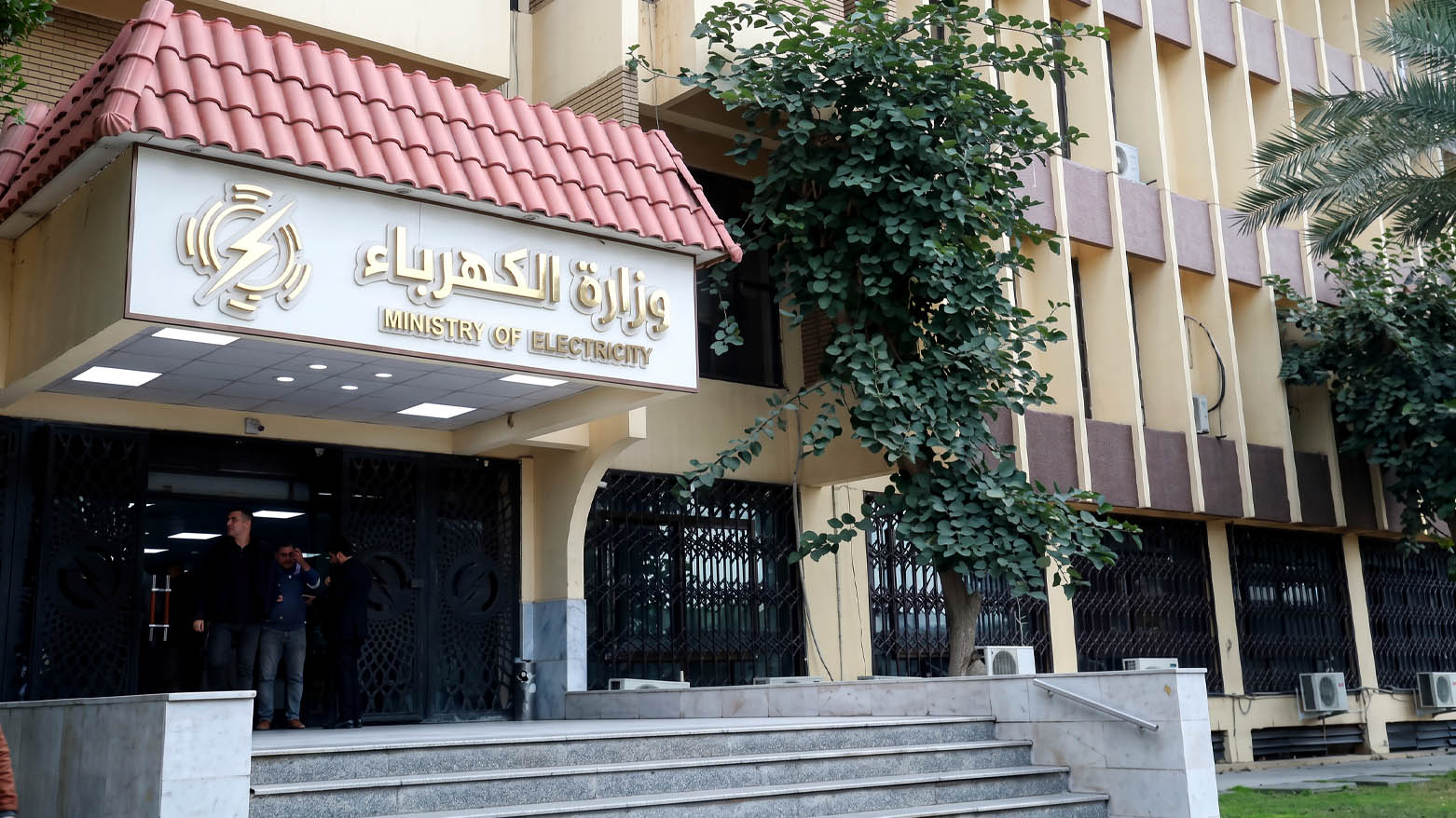
ERBIL (Kurdistan24) - A security-driven suspension of natural gas supplies from the Khor Mor field has expanded from a localized operational disruption into a challenge for Iraq's wider electricity network, with the Iraqi Ministry of Electricity warning that the interruption could remove up to 1,400 megawatts from the national grid if supplies are not restored promptly.
The disruption is already reverberating well beyond the production facilities themselves.
Electricity providers in both federal Iraq and the Kurdistan Region have begun implementing emergency measures designed to preserve power generation, while provincial authorities are introducing contingency plans aimed at limiting the impact on households and businesses.
The episode underscores the degree to which Iraq's electricity system depends on interconnected energy infrastructure, where interruptions at a single strategic gas source can quickly affect power availability across multiple provinces.
Ahmed Turki Jiyad, spokesperson for the Iraqi Ministry of Electricity, said the ministry had been officially informed that gas deliveries from Khor Mor were suspended because of the deteriorating regional security situation.
Should the interruption continue, he warned, the country's electricity generation capacity would face a substantial reduction of approximately 1,400 megawatts.
The ministry said it had immediately activated an emergency response plan to help stabilize the national grid while coordinating with relevant institutions to restore normal gas supplies and return affected generating units to full production as soon as circumstances permit.
Officials also appealed to consumers to use electricity responsibly during the disruption, describing prudent consumption as an important part of efforts to reduce pressure on the grid while replacement measures remain in effect.
The developments highlight the strategic importance of the Khor Mor gas field, located in the Chamchamal district of the Kurdistan Region.
The field serves as one of Iraq's most important sources of natural gas for electricity generation, supplying power stations that support both regional and national electricity networks.
Its operational significance has also made it increasingly vulnerable to the wider security environment.
In recent years, Khor Mor has repeatedly faced missile and drone attacks that disrupted production and triggered electricity shortages, reinforcing concerns about the protection of critical energy infrastructure during periods of heightened regional tension.
The latest interruption followed Dana Gas' announcement that it had temporarily halted operations at its principal production facilities because of what it described as credible security threats amid worsening regional conditions.
The company said the decision was taken as a precaution to safeguard personnel and infrastructure while developments continue to be monitored in coordination with the Kurdistan Regional Government (KRG), federal authorities in Baghdad, and local officials.
The consequences are already visible across the Kurdistan Region's electricity network.
In Erbil, Governor Omed Khoshnaw, working alongside the High Council of Private Generators, introduced new operating requirements intended to cushion residents from interruptions to the public electricity supply.
Under the directive, neighborhood generators are required to remain available around the clock whenever electricity from the national grid is unavailable. Authorities also established a pricing framework based on operating hours while directing residents to report operators who fail to comply with the new regulations.
The measures are designed to ensure that private generators continue serving as an emergency buffer while electricity production remains constrained.
Further north, officials in Duhok acknowledged that the disruption has already reduced available generating capacity.
Hazim Mohammed Othman, Director General of Duhok Electricity, said the province's available electricity had declined from approximately 600 megawatts to 400 megawatts following the security-related interruption.
While the duration of the disruption remains uncertain, he said available power would be distributed as fairly as possible until previous production levels can be restored.
The Kurdistan Region Ministry of Electricity separately reported that reduced gas exports from Khor Mor had lowered regional electricity generation by roughly 2,500 megawatts, describing the situation as temporary while efforts continue to resume fuel deliveries to power stations.
Together, the federal and regional responses illustrate the close integration of Iraq's electricity infrastructure.
Gas produced at Khor Mor supports generating stations whose output extends well beyond the immediate vicinity of the field, meaning operational disruptions rapidly translate into broader supply challenges across multiple governorates.
That interdependence has elevated infrastructure security alongside electricity generation itself as a national priority.
Protecting production facilities, transmission systems and fuel supplies has become increasingly important as authorities seek to maintain reliable electricity service despite recurring security pressures.
For now, officials in Baghdad and the Kurdistan Region remain focused on restoring gas flows, stabilizing generation capacity and minimizing the impact on consumers.
The speed with which electricity supplies recover will depend not only on technical operations but also on improving the security conditions surrounding one of Iraq's most critical energy assets.
|
Summary Iraq's Electricity Ministry warns that the suspension of gas supplies from the Khor Mor field could remove 1,400 MW from the national grid. Emergency measures are underway as Erbil, Duhok and federal authorities work to manage shortages and restore power generation while protecting critical energy infrastructure. |