Iraq, Syria Move to Restore Strategic Kirkuk-Baniyas Oil Pipeline
The Iraq-Syria agreement to rehabilitate the Kirkuk-Baniyas pipeline could expand Iraqi export routes, restore Syria's role as an energy transit corridor, and strengthen regional energy connectivity.
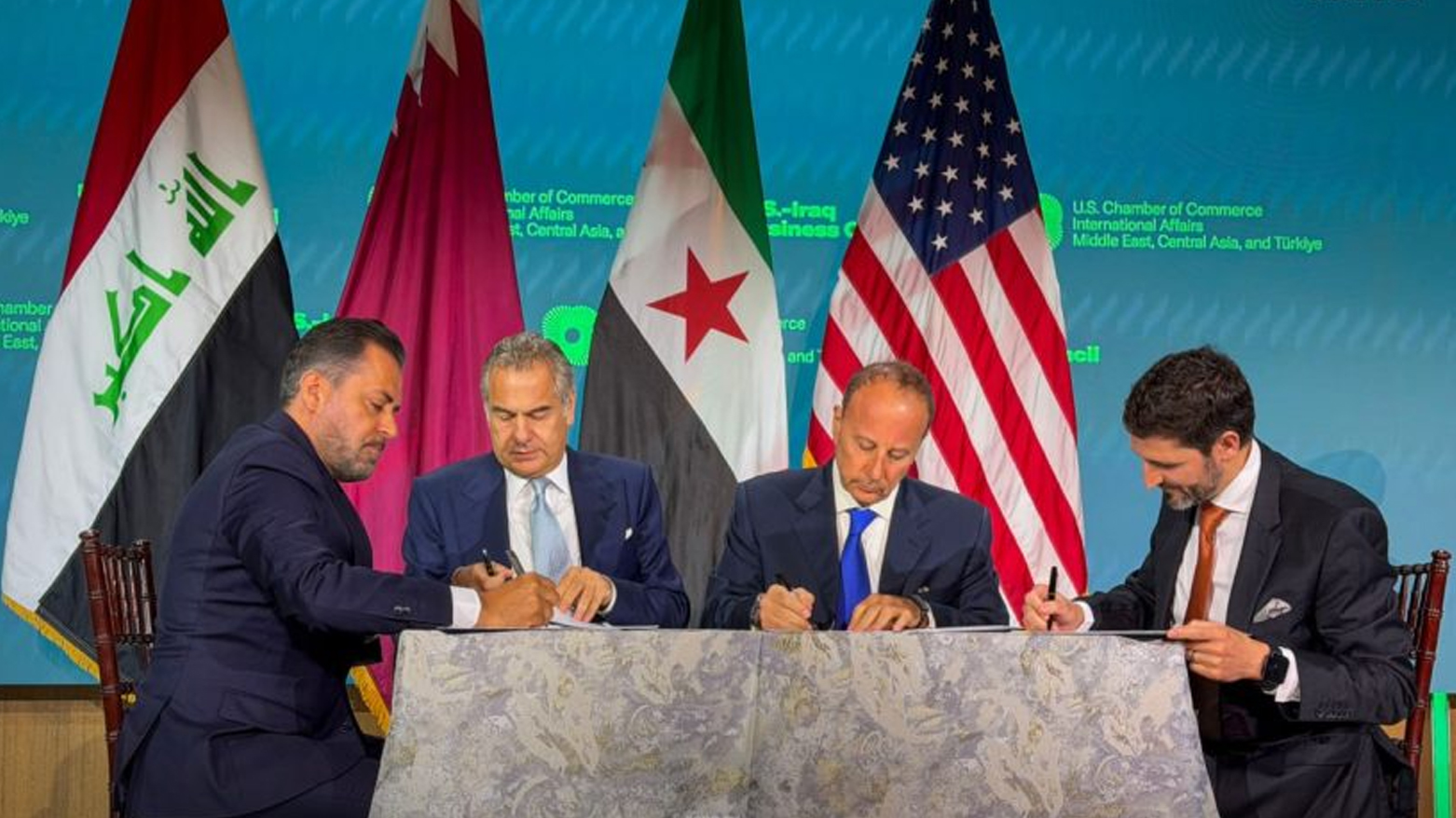
ERBIL (Kurdistan24) - Iraq and Syria have taken a significant step toward restoring one of the Middle East's most consequential energy corridors, signing a memorandum of understanding (MoU) to rehabilitate and reactivate the historic Kirkuk-Baniyas oil pipeline. More than an infrastructure agreement, the initiative reflects a broader effort to reconnect regional energy networks, diversify Iraq's export routes, and re-establish Syria as an important transit country for crude oil moving toward Mediterranean markets.
The agreement centers on reviving a pipeline that for decades formed one of Iraq's principal export arteries before years of political upheaval, conflict, and damaged infrastructure brought operations to a halt.
If implemented as planned, the project is expected to create an alternative outlet for Iraqi crude beyond the Gulf while strengthening economic cooperation between Baghdad and Damascus through a shared strategic asset.
The rehabilitation effort targets an initial transport capacity of around two million barrels of crude oil per day, substantially exceeding the line's historical throughput and underscoring that the project involves far more than repairing an aging pipeline.
Officials and experts say the undertaking will require extensive modernization, supported by technical assessments and financial planning before construction begins.
The corridor's strategic importance stretches back more than seven decades.
Oil from Iraq's Kirkuk fields first reached Syria's Mediterranean coast through the pipeline in 1952, establishing a direct export route to international markets.
According to a United Nations report on Middle East economic development, the approximately 895-kilometer pipeline initially carried up to 13.5 million tons of crude annually.
Supporting infrastructure included storage facilities and extensive port installations at Baniyas, allowing the corridor to become one of Iraq's principal gateways to global energy markets.
Over time, however, repeated political disputes, regional instability, and security crises interrupted operations.
The network ultimately ceased functioning after sustaining extensive damage during the 2003 Iraq War, leaving Iraq increasingly dependent on southern export routes while Syria lost a major source of transit activity and related economic opportunities.
The newly signed agreement seeks to reverse that trajectory through comprehensive rehabilitation rather than simple reconstruction.
Abdul Azim Maghribal, an economic researcher, told the Syrian Arab News Agency (SANA) that the project extends beyond restoring the former pipeline and includes upgrading associated infrastructure needed to support modern operations.
He noted that technical and financial feasibility studies will determine the project's final specifications before implementation proceeds.
Alongside the agreement between the Syrian Petroleum Company and Iraq's Basra Oil Company, another memorandum has been signed with an international consortium that includes Chevron, UCC Holding, and TI Capital.
The consortium is expected to prepare engineering studies, financial assessments, and implementation frameworks that will guide the project's next stages.
Syrian Energy Minister Mohammed Bashir described the agreement as a strategic step toward reactivating one of the region's most important oil transit routes, emphasizing its potential to reinforce Syria's role as a bridge connecting Middle Eastern energy resources with Mediterranean export terminals.
Beyond restoring oil flows, the project could generate broader economic activity linked to pipeline operations.
Transit services, storage facilities, port operations, refining infrastructure, and logistics are expected to create new commercial opportunities once the corridor becomes operational.
Maghribal said the exact financial returns for Syria will depend on future commercial agreements and revenue-sharing arrangements negotiated during the implementation process.
For Iraq, restoring access to the Mediterranean would provide greater export flexibility by expanding shipping options beyond existing Gulf terminals.
That diversification is widely viewed as an important component of long-term energy resilience, particularly as regional producers seek multiple routes to international markets.
International support has further elevated the significance of the initiative.
The United States welcomed the Iraq-Syria agreement, describing the rehabilitation of the pipeline as a strategically important infrastructure project for both countries and the wider region.
According to the U.S. State Department, restoring the corridor would strengthen regional economic cooperation while reconnecting Iraqi production with Mediterranean export markets.
Washington also welcomed the participation of a U.S.-led international consortium, including Chevron, to oversee the project's technical and financial components.
The pipeline agreement forms part of a broader package of approximately 50 agreements and memorandums of understanding signed during Iraqi Prime Minister Ali al-Zaidi's visit to Washington, reflecting wider efforts to deepen economic cooperation between Iraq and the United States.
Although construction work remains subject to engineering evaluations, financing arrangements, and regulatory frameworks, the memorandum marks the beginning of a coordinated effort to revive infrastructure that once played a defining role in regional energy trade.
If successfully completed, the Kirkuk-Baniyas corridor would not simply restore a dormant pipeline but reconnect two neighboring countries through a strategic asset capable of strengthening export resilience, encouraging investment, and supporting closer economic integration across the region.
|
Summary Iraq and Syria have signed an agreement to rehabilitate the historic Kirkuk-Baniyas oil pipeline, reviving a strategic Mediterranean export corridor. The project aims to diversify Iraq's oil exports, restore Syria's transit role, and deepen regional energy cooperation with U.S.-backed support. |