Iran's FM Tells his Iraqi Counterpart, Ties Between Tehran and Baghdad Are 'Strategic and Deep'
Iranian foreign minister says bilateral relations should remain unaffected by personal remarks as Tehran stresses continued coordination with Baghdad amid regional tensions
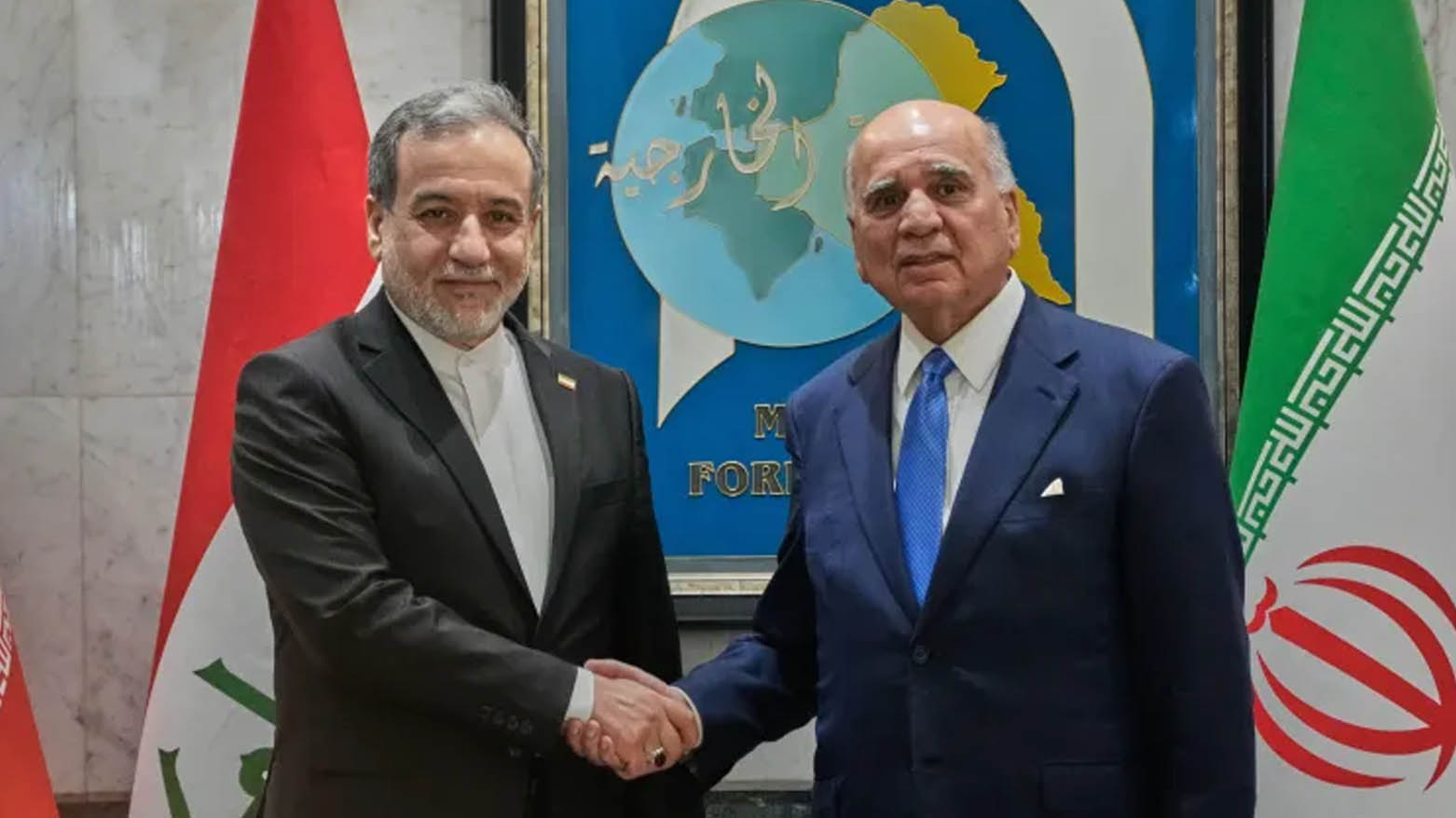
ERBIL (Kurdistan24) - Iranian Foreign Minister Abbas Araghchi said on Sunday that relations between Iran and Iraq are "strategic and deep," emphasizing that the longstanding partnership between the two neighboring countries should not be influenced by personal or unofficial statements.
The remarks came during a telephone conversation between Araghchi and Iraqi Foreign Minister Fuad Hussein, during which the two officials discussed bilateral relations, shared interests, and the latest regional developments.
According to a statement issued by Iran's Foreign Ministry, Araghchi stressed that the valuable and historic relationship between Tehran and Baghdad should remain insulated from the impact of personal comments.
The two ministers also reviewed the evolving regional situation and its implications for security and stability, reaffirming the importance of continued consultations and bilateral coordination aimed at preventing further escalation and preserving regional peace and security.
During the call, Araghchi reiterated that relations between Iran and Iraq are rooted in "deep and strategic" foundations.
"Iran-Iraq relations are very deep and strategic, built upon historical, cultural, religious, and shared interests between the two nations," he said, according to the Iranian Foreign Ministry.
He also reaffirmed Iran's commitment to mutual respect, good neighborly relations, and continued efforts to strengthen ties with both the Iraqi government and its people.
In a separate development, Iranian Parliament Speaker Mohammad Bagher Ghalibaf stressed that adherence to the guidance of Iran's Supreme Leader is a fundamental requirement for achieving success against the country's adversaries.
Writing on his official X account on Sunday, Ghalibaf said that preserving national unity is "not merely a moral or social recommendation, but a fundamental and necessary condition for success in confronting enemies."
He added that commitment to the Supreme Leader's religious and national directives should be regarded as an essential part of the country's historic responsibility in safeguarding national defense and managing state affairs.
His remarks came a day after Iran's Supreme Leader, Mojtaba Khamenei, called for greater national cohesion, urging all segments of society and state institutions to preserve Iran's dignity and independence, particularly in the face of U.S. policies.
In his message on Saturday, Khamenei also emphasized the need to avoid political divisions and social discord, describing national unity as a shared responsibility and highlighting the critical role of officials and supporters of the Islamic Revolution in strengthening domestic cohesion during the current period.