Oil Climbs Above $90 as U.S.-Iran Conflict Deepens, Raising Global Supply Concerns
Renewed U.S.-Iran military escalation and mounting concerns over the Strait of Hormuz are driving oil prices higher while raising fresh questions about inflation, shipping security, and global economic stability.
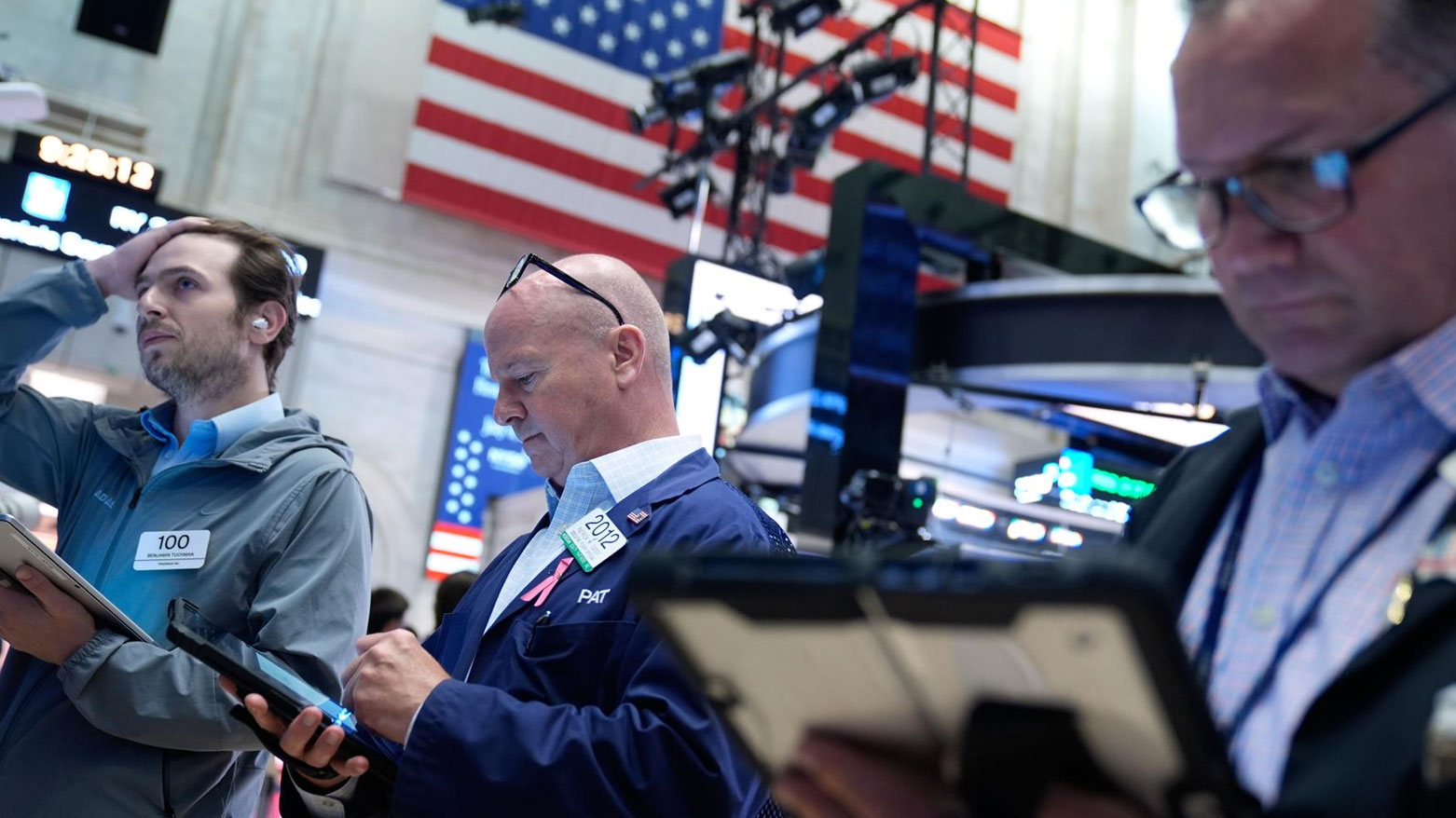
ERBIL (Kurdistan24) - Global energy markets opened the week under renewed pressure after Brent crude climbed above $90 a barrel for the first time in more than a month, underscoring how rapidly the latest military confrontation between the United States and Iran is reshaping expectations for oil supplies, shipping security, and the broader world economy.
The advance in crude prices followed another weekend of military escalation, with Washington launching fresh strikes against Iranian targets while Tehran responded with attacks elsewhere in the Gulf.
Investors swiftly priced in the growing possibility that hostilities could become more prolonged, increasing the likelihood of disruptions to one of the world's most important energy corridors.
Brent crude rose beyond the $90 threshold, while U.S. benchmark West Texas Intermediate (WTI) climbed to its highest level since mid-June, reflecting heightened concern that geopolitical tensions could continue to tighten global supply conditions.
The latest market moves illustrate how closely financial markets remain tied to developments in the Middle East.
Beyond the immediate rise in crude prices, investors are reassessing geopolitical risk across asset classes as uncertainty surrounding the Strait of Hormuz intensifies.
The renewed conflict has revived inflation concerns, complicated the outlook for central banks, and left markets divided over whether higher energy prices will prove temporary or evolve into a more persistent challenge for the global economy, according to Agence France-Presse (AFP).
Energy traders have focused particular attention on the Strait of Hormuz, through which roughly one-fifth of globally traded seaborne oil normally passes.
Any prolonged disruption to shipping through the narrow waterway has the potential to affect supplies well beyond the Gulf, making it one of the world's most strategically significant maritime chokepoints.
Recent military developments have amplified those concerns.
Washington has continued military operations against Iranian targets while tightening pressure on Iranian energy exports, and Tehran has responded with threats and military actions affecting regional maritime activity.
The resulting uncertainty has increased the geopolitical premium embedded in oil prices, even as some commercial shipping has continued to transit the strait.
Although vessel tracking data showed tankers continuing to navigate the route in recent days, traders have increasingly focused on the risk that further escalation could disrupt traffic more significantly.
The possibility of interruptions to crude exports has become a central driver of market sentiment, helping push prices to levels not seen since early June.
The surge in oil has also reverberated through broader financial markets.
Asian equities delivered mixed performances as investors weighed stronger commodity prices against the growing economic risks posed by a prolonged regional conflict.
Wall Street ended the previous session lower, reflecting caution over both geopolitical developments and the potential consequences of sustained energy inflation.
While oil has been the clearest beneficiary of the renewed uncertainty, analysts continue to debate how durable the rally may prove.
According to AFP, some market participants believe higher crude prices primarily reflect an elevated geopolitical risk premium rather than a fundamental deterioration in global supply-demand balances.
Others warn that if elevated prices persist, they could begin to weigh more heavily on household spending, corporate costs, and economic growth.
Those concerns extend well beyond commodity markets.
Central banks are again being forced to assess how renewed energy price pressures could influence inflation after many economies had begun showing signs of moderation.
The European Central Bank (ECB), which meets later this week, now faces a more complicated policy environment as policymakers weigh whether higher oil prices could slow progress toward price stability, AFP reported.
Most economists still expect the ECB to leave benchmark interest rates unchanged, arguing that recent increases in energy prices have not yet produced broader inflationary effects across the eurozone economy.
Nevertheless, the resurgence in Middle East tensions has reopened debate over whether policymakers may ultimately need to maintain tighter monetary policy for longer should energy costs remain elevated.
The renewed uncertainty is not confined to Europe.
Other major central banks, including the U.S. Federal Reserve, the Bank of England, and the Bank of Japan, are also approaching policy meetings later this month amid heightened scrutiny of inflation expectations and financial-market volatility.
For investors, the current environment presents competing signals.
Softer underlying inflation trends and moderating labor-market conditions in several advanced economies had supported expectations for easier monetary policy before the latest escalation.
The renewed surge in crude prices, however, has complicated those assumptions by raising the possibility that energy costs could once again become an important driver of inflation.
Much now depends on whether the military confrontation remains contained or expands further across the region.
Continued uncertainty surrounding the Strait of Hormuz, together with the prospect of additional military exchanges between Washington and Tehran, is likely to keep energy markets highly sensitive to geopolitical developments.
For now, the return of Brent crude above $90 a barrel serves as the clearest indication that investors view the conflict not simply as a regional security crisis, but as an increasingly significant economic risk with implications stretching from global shipping lanes and inflation to monetary policy and investor confidence worldwide.
Throughout financial markets, the latest price surge reflects a growing recognition that geopolitical instability in the Middle East continues to carry consequences far beyond the battlefield.
|
Summary Brent crude surged above $90 a barrel as the escalating U.S.-Iran conflict heightened concerns over energy supplies, the Strait of Hormuz, and global inflation. The latest military escalation has unsettled investors, strengthened the geopolitical risk premium, and renewed uncertainty across financial markets. |