KRG Expands Gashanawa Project With 150 Million Dinar Support for SMEs
The Kurdistan Regional Government will launch a new phase of Project Gashanawa before the end of 2026, providing up to 150 million Iraqi dinars for more than 100 eligible small and medium-sized enterprises through a fully digital application and evaluation system.
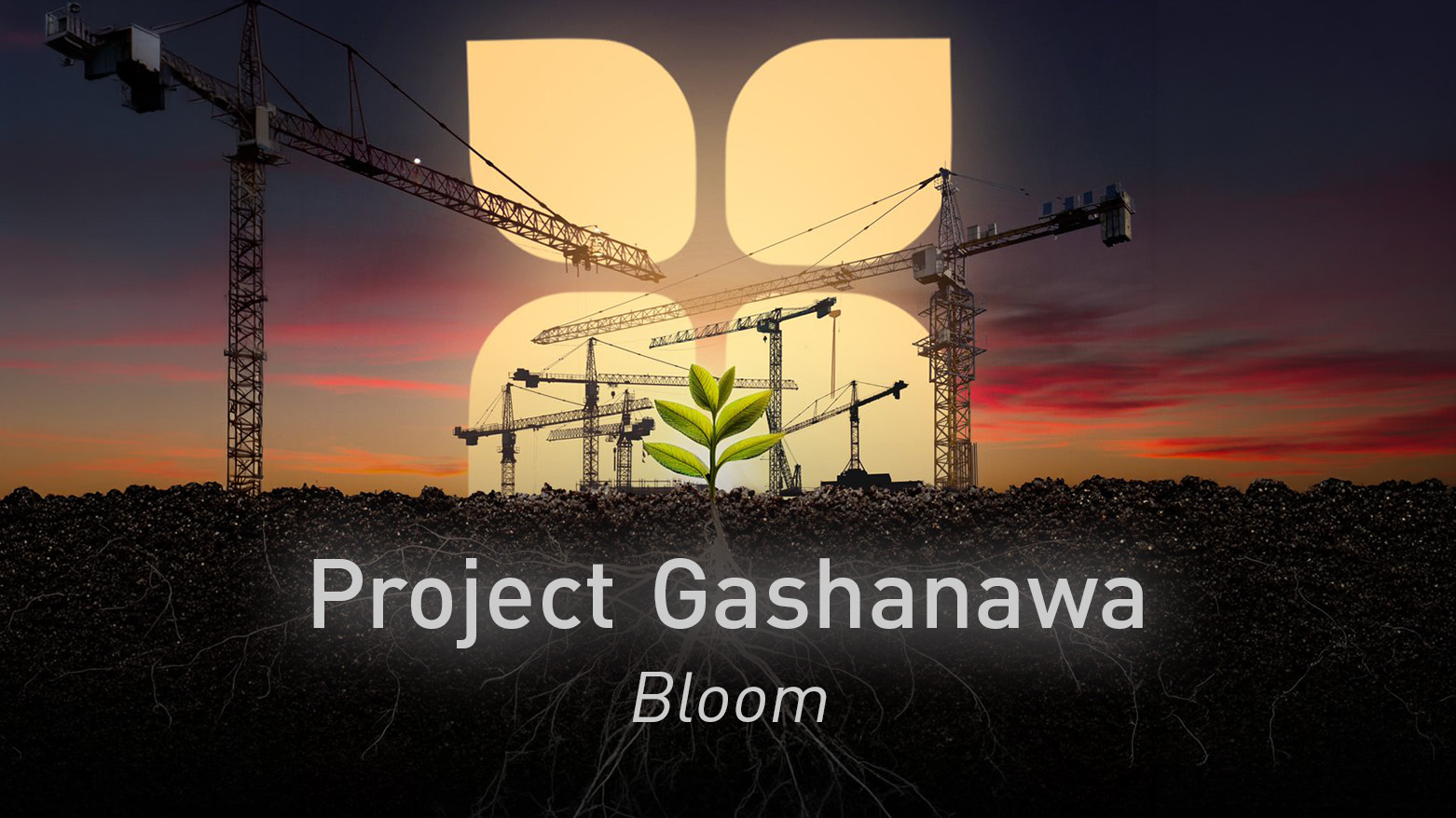
ERBIL (Kurdistan24) - The Kurdistan Regional Government (KRG) is preparing to launch a new phase of Project Gashanawa (Bloom) before the end of 2026, expanding one of its flagship entrepreneurship initiatives with financing of up to 150 million Iraqi dinars for each approved enterprise as part of a broader strategy to strengthen the private sector and diversify the Region's economy.
The latest phase will support more than 100 small and medium-sized enterprises (SMEs), continuing an initiative that has become a central component of the Ninth Cabinet's efforts to encourage private investment, broaden access to finance and create sustainable employment opportunities beyond the public sector.
Aram Anwar, Director of Small Loans at the Ministry of Labor and Social Affairs, told Kurdistan24 on Monday that preparations are underway to begin accepting applications through a fully digital platform, allowing entrepreneurs across the Kurdistan Region to submit business proposals electronically for review.
Rather than functioning as a conventional grant program, Gashanawa is designed to provide commercial financing to businesses with demonstrated potential for growth.
Officials say the objective is to help viable enterprises expand operations, increase productivity and generate additional employment, reinforcing the government's longer-term economic reform agenda.
Under the new phase, each successful applicant will be eligible to receive financing of up to 150 million Iraqi dinars. More than 100 businesses are expected to benefit from the program during this round.
The application process has been modernized through an online portal known as the "Gashanawa Form," where applicants can submit their projects digitally before they undergo technical assessment and financial evaluation.
Authorities say the digital system is intended to improve accessibility, streamline processing and strengthen transparency throughout the selection process.
Eligibility requirements are designed to ensure support reaches established businesses seeking expansion rather than newly conceived ventures.
Applicants must be citizens of the Kurdistan Region between the ages of 21 and 60. Their businesses must operate within the Region, employ no more than 100 workers and have maintained operations for at least one year. Each applicant may submit only one proposal.
The emphasis on evaluating business performance reflects the broader philosophy behind Gashanawa since its introduction in September 2023.
Launched under the supervision of the Ministry of Labor and Social Affairs, the initiative was conceived to address one of the most persistent challenges facing SMEs: limited access to commercial finance despite their significant contribution to economic activity.
For the Ninth Cabinet, expanding opportunities for small and medium-sized businesses has become an important pillar of economic policy.
Government officials have consistently argued that a more diversified economy depends on a stronger private sector capable of creating jobs, encouraging innovation and reducing reliance on public-sector employment.
That approach has also been closely linked to efforts to modernize the Kurdistan Region's banking system.
When Project Gashanawa was introduced, Prime Minister Masrour Barzani described a well-functioning financial sector as essential to sustainable economic development, emphasizing that SMEs account for more than half of private-sector employment and business activity while often encountering difficulty obtaining the financing needed to expand.
To address that gap, the initiative introduced a lending model built around cooperation with private banks, representing a shift toward commercially oriented financing mechanisms.
Rather than placing primary emphasis on conventional collateral requirements, the program evaluates the strength and viability of business proposals, enabling qualified enterprises with sound expansion plans to compete for financing based on their commercial potential.
Officials have presented the approach as part of a wider effort to strengthen financial inclusion while encouraging closer collaboration between government institutions, private lenders and entrepreneurs.
The digital application platform similarly reflects broader modernization efforts intended to make public services more accessible and efficient.
The experience of businesses supported during the project's initial phase has provided early indications of how the model can contribute to enterprise growth.
Earlier beneficiaries have used financing to increase production capacity, invest in equipment and expand their workforce, illustrating how targeted access to capital can generate broader economic activity beyond the individual recipient.
One example, highlighted in a previous Kurdistan24, involved a locally owned natural oils manufacturer that expanded operations after receiving support through Gashanawa, increasing both its production and employment.
Read More: KRG's 'Gashanawa' Project Ignites Entrepreneurial Spirit, Empowers Small Businesses
While individual businesses vary in scale and sector, officials point to such outcomes as evidence that financing directed toward established enterprises can create wider benefits for local economies.
The upcoming expansion is therefore intended to build on those early experiences rather than introduce a fundamentally new policy.
By extending financing to another group of SMEs, the government aims to encourage entrepreneurship while strengthening sectors capable of contributing to long-term economic resilience.
The initiative also aligns with the Kurdistan Regional Government's broader objective of fostering a business environment in which private enterprise plays a larger role in investment, innovation and employment.
Expanding access to finance, supporting commercially viable businesses and modernizing banking practices have all featured prominently within that agenda.
As preparations continue for the program's next phase, Gashanawa is increasingly being positioned not simply as a source of financing, but as a mechanism for encouraging sustainable business development.
Through continued investment in SMEs, the KRG hopes to reinforce entrepreneurship, stimulate private-sector growth and advance the longer-term goal of building a more diversified and resilient economy across the Kurdistan Region.
|
Summary The KRG will launch a new phase of Project Gashanawa before the end of 2026, providing up to 150 million Iraqi dinars for more than 100 SMEs. The initiative expands support for entrepreneurs through digital applications, private-sector financing and wider economic diversification. |