US-Iran Strikes: Latest Developments Across the Middle East
Fresh US strikes, Houthi attacks on Red Sea shipping, a US-Saudi nuclear agreement, and rising oil prices marked another day of escalating tensions across the Middle East.
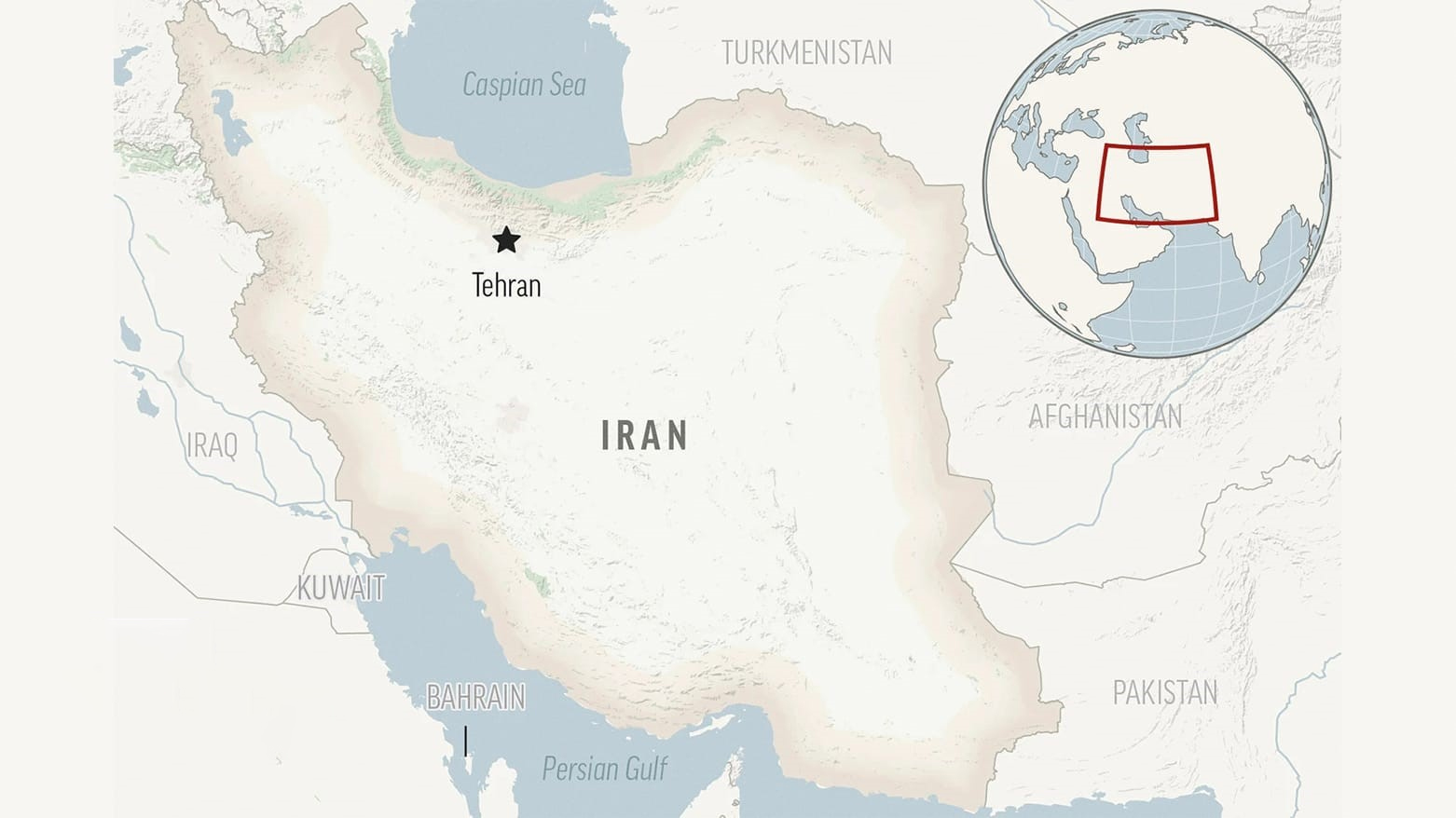
ERBIL (Kurdistan24) - The conflict between the United States and Iran continued to widen on Thursday, with fresh US strikes inside Iran, new threats against regional shipping, and growing concerns over energy security and the broader geopolitical fallout.
A vessel belonging to a Saudi company was struck while transiting the Red Sea, Saudi state media reported, citing an official source, after Yemen's Iran-backed Houthis claimed responsibility for attacks on tankers operating in the waterway.
The incident came after the Houthis threatened to blockade Saudi ports along the Red Sea, a vital route for global oil shipments, while the five-month conflict has already effectively closed the Strait of Hormuz.
The United States carried out strikes against Iranian military targets for a twelfth consecutive night, according to US Central Command.
Iranian state media reported that the southwestern cities of Ramshir and Ahvaz came under what it described as "missile attacks by the US terrorist enemy," while authorities in Bushehr province also reported a US missile strike.
Washington announced it had reached a civilian nuclear cooperation agreement with Saudi Arabia, describing it as a landmark partnership that would establish a civilian nuclear program in the kingdom.
The US Department of Energy said the agreement, together with a related arrangement, would create the legal framework for a long-term, multi-billion-dollar partnership while including safeguards intended to prevent nuclear proliferation.
Kuwait's military said its air defense systems intercepted hostile drones overnight following several days of Iranian strikes targeting the country.
In a statement, the army said air defenses were actively responding to aerial threats and noted that explosions heard by residents resulted from interception operations.
Iranian Foreign Minister Abbas Araghchi warned that Tehran would respond proportionally to any attack on its infrastructure after Washington threatened to strike Iranian bridges or power plants in retaliation for attacks on shipping in the Strait of Hormuz.
"Our defense doctrine is clear: eye for an eye. Any aggression against Iran, including our infrastructure, will compel a powerful and decisive response," Araghchi wrote on X.
President Donald Trump warned that the United States would destroy an Iranian bridge or power plant for every attack on commercial shipping in the Strait of Hormuz.
"Any time the Islamic Republic of Iran shoots at a ship in the Strait of Hormuz, whether it be by Missile, Rocket, Drone, or any other device or weapon, the United States will bomb and destroy ONE BRIDGE OR POWER PLANT," Trump wrote on social media.
He also reiterated that he was "not finished" with the conflict, which US officials say has already cost Washington $37.5 billion.
Global oil prices rose sharply amid concerns over the security of key maritime trade routes.
Brent crude briefly climbed above $95 per barrel before settling at $94.07, while US benchmark West Texas Intermediate gained nearly 3 percent to close at $86.83.
The International Chamber of Shipping confirmed that Yemen's Iran-backed Houthis had been recorded transmitting radio warnings to vessels operating in the region after announcing a naval blockade targeting Saudi Arabia.
The warnings add to growing concerns over the security of commercial shipping through one of the world's busiest maritime corridors.