Araghchi Says Rebuilding Ties With Neighbors Tops Iran's Post-War Agenda
Iran's foreign minister outlines a regional diplomacy strategy centered on restoring trust with neighboring states as negotiations with Washington continue under sustained U.S. pressure.
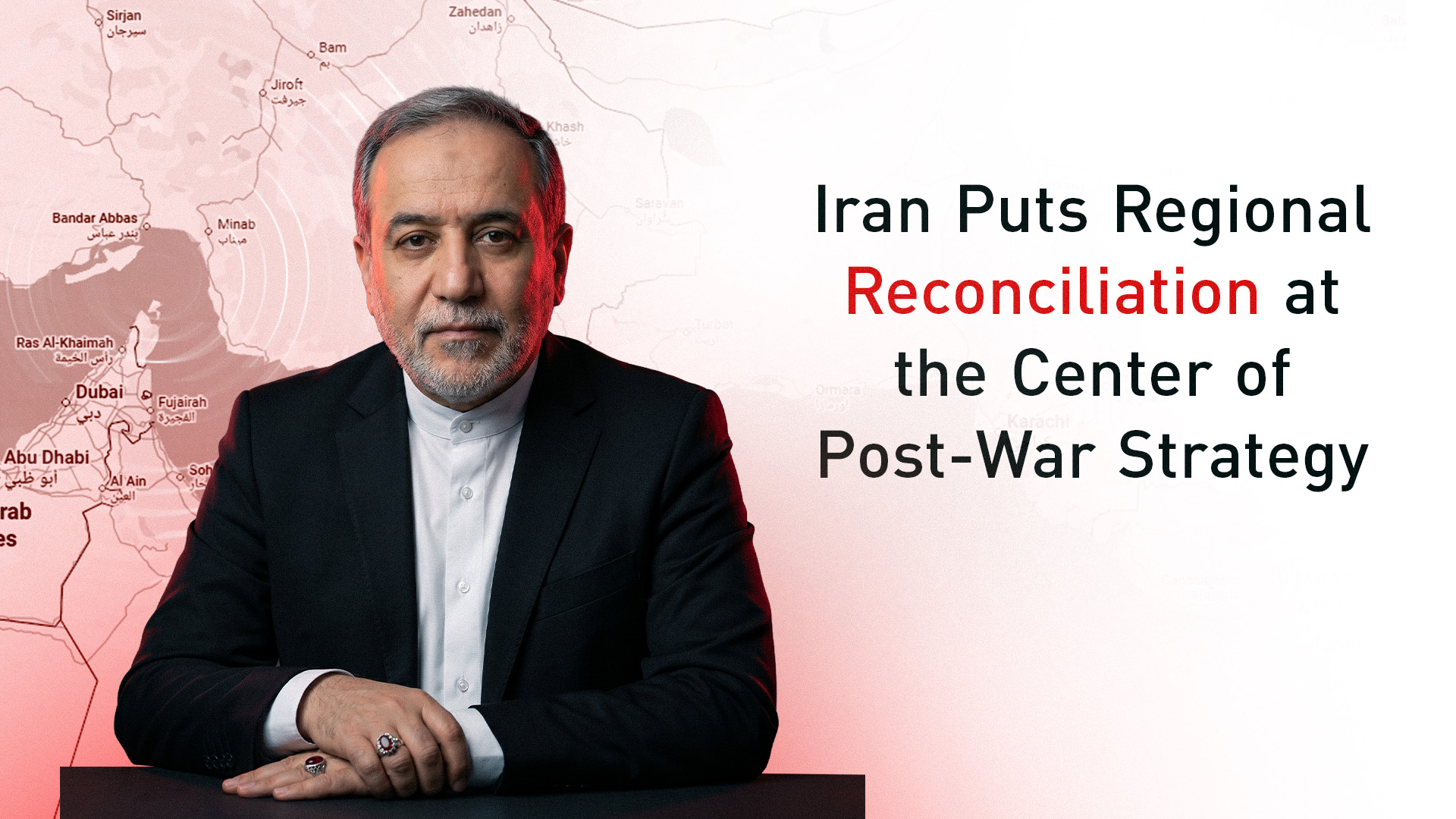
ERBIL (Kurdistan24) - Iranian Foreign Minister Abbas Araghchi has identified the restoration of relations with neighboring countries as one of Tehran's foremost priorities following the recent regional conflict, signaling a renewed diplomatic effort aimed at easing tensions with Gulf Arab states while promoting regional security through dialogue rather than confrontation.
Speaking on the sidelines of the Shanghai Cooperation Organisation (SCO) foreign ministers' meeting in Kyrgyzstan, Araghchi portrayed Iran's post-conflict strategy as one focused on rebuilding confidence across the region.
His remarks suggested that Tehran is seeking to reassure neighboring governments that its military actions during the conflict were directed against U.S. military assets rather than regional states, while encouraging a broader process of political engagement after weeks of heightened instability.
The comments come at a time when diplomatic channels between Tehran and Washington remain active even as the United States continues to maintain significant military deployments, sanctions, and maritime enforcement measures across the region.
That combination of negotiations and sustained pressure has left regional governments watching closely for signs that diplomacy can reduce tensions without triggering another cycle of confrontation.
Against that backdrop, Araghchi acknowledged that relations with several Gulf countries, including Saudi Arabia, Qatar and the United Arab Emirates, remain affected by the recent conflict.
He argued, however, that there is growing recognition among regional governments that Iran's military operations were intended to target U.S. forces operating in the region rather than neighboring countries themselves.
He also noted that facilities in some neighboring states had been used by U.S. forces during the conflict, but said this should not define future regional relations.
Instead, he called for renewed confidence-building between neighboring governments, maintaining that lasting stability cannot depend indefinitely on external military powers but should emerge through cooperation among regional states.
That emphasis on regional dialogue extended to one of the Middle East's most strategically important waterways.
Discussing the Strait of Hormuz, Araghchi defended Tehran's interpretation of a previous understanding with Washington concerning maritime navigation.
He said Iran viewed provisions governing the reopening of the waterway as clearly assigning Tehran responsibility for conducting demining operations and establishing secure transit routes within a specified timeframe.
According to Araghchi, the agreement envisioned a temporary period of free transit before Iran and Oman would discuss future arrangements for jointly managing navigation through the strait.
He alleged that the understanding later unraveled after the United States encouraged commercial shipping to use an alternative southern route rather than corridors designated by Iran, arguing that the move undermined both maritime coordination and Tehran's authority over the agreed arrangements.
He added that the two sides later established a direct communication channel in Switzerland designed to reduce the risk of military miscalculation, though he maintained that disagreements over maritime navigation persisted.
Araghchi's account emerges as Washington continues pursuing negotiations with Tehran while insisting that diplomatic engagement has not replaced deterrence.
The White House has repeatedly said President Donald Trump continues to favor a negotiated outcome but has not removed military action from consideration should Iran threaten regional security or freedom of navigation.
Administration officials have emphasized that sanctions, naval enforcement operations and regional military deployments remain in place even as diplomatic contacts continue.
U.S. officials have also said discussions concerning the Strait of Hormuz remain active through regional mediation, illustrating that one of the world's most important energy corridors remains central to both diplomatic and security calculations.
At the same time, uncertainty persists over whether ongoing talks can produce a durable agreement or merely postpone renewed confrontation.
Beyond the Gulf, Araghchi addressed another maritime flashpoint by discussing developments around the Bab el-Mandeb Strait.
He argued that instability affecting the strategic waterway is rooted primarily in the long-running conflict involving Yemen and Saudi Arabia rather than Iran itself.
Reiterating Tehran's longstanding position, he said there is no military solution to the Yemen conflict and maintained that diplomacy offers the only sustainable path toward resolving the crisis.
Araghchi also expressed Iran's readiness to support dialogue between Yemen and Saudi Arabia if requested, presenting Tehran as willing to facilitate negotiations intended to reduce regional tensions.
Taken together, the foreign minister's remarks outlined a diplomatic message centered on restoring regional relationships after conflict while reinforcing Iran's preference for political engagement over continued military escalation.
They also reflected Tehran's effort to reassure neighboring governments that regional security is best achieved through direct cooperation among states sharing common interests.
Whether that approach gains broader regional acceptance may depend not only on Iran's relations with its neighbors but also on the trajectory of negotiations with Washington.
As diplomatic contacts continue alongside sustained U.S. military and economic pressure, the region remains in a period of cautious uncertainty, with both sides seeking to preserve leverage while leaving open the possibility of a negotiated path forward.
|
Summary Iranian Foreign Minister Abbas Araghchi says rebuilding relations with neighboring states is Tehran's top post-war priority, urging regional dialogue and confidence-building as U.S.-Iran negotiations continue alongside sanctions, naval enforcement, and sustained military pressure. |