Duhok Ships 110,000 Tons of Produce Across Iraq as Farm Exports Grow
Strong domestic shipments and expanding export plans underscore Duhok's growing role in the Kurdistan Region's agricultural transformation.
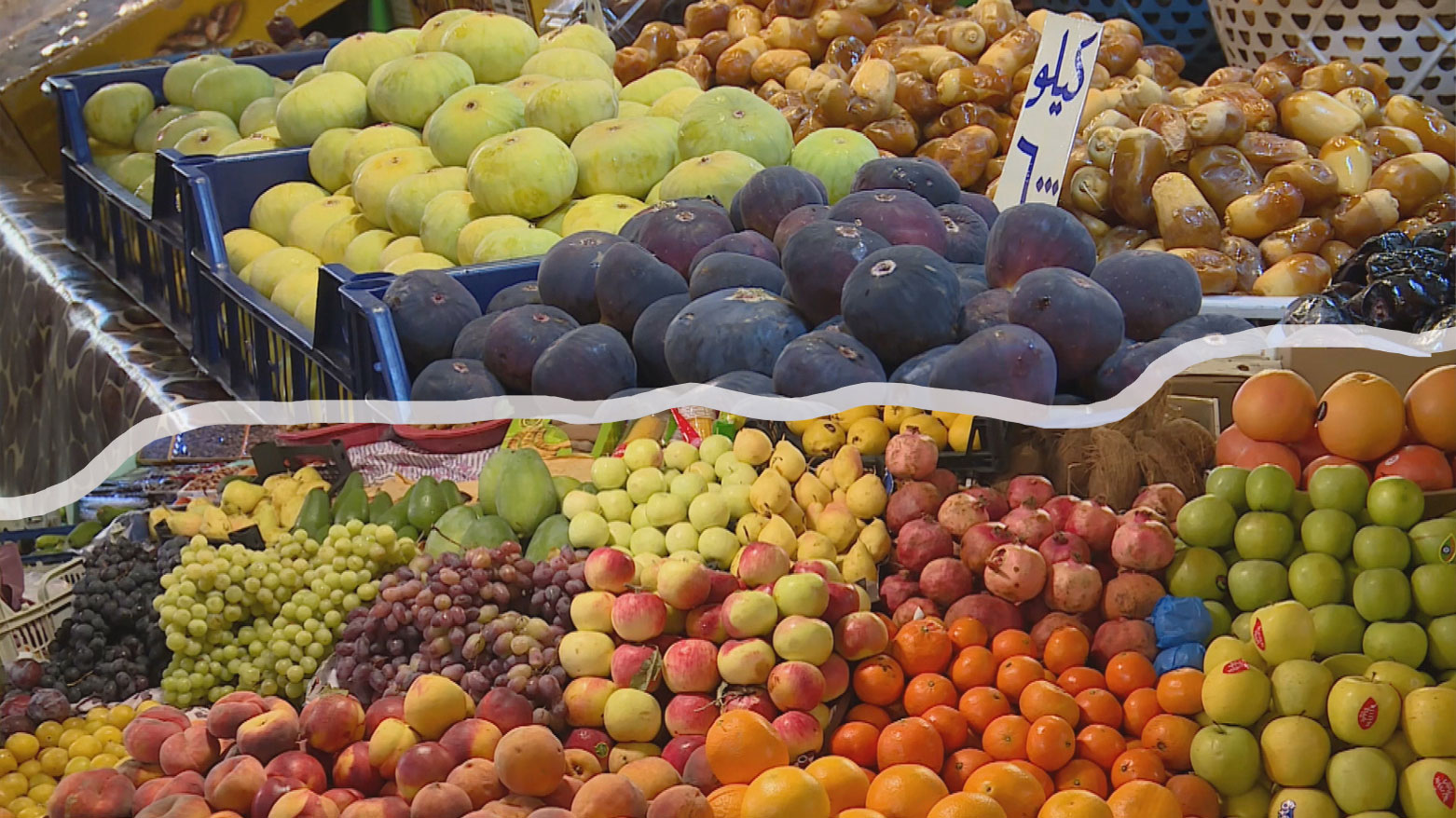
ERBIL (Kurdistan24) - Duhok has reinforced its position as one of the Kurdistan Region's leading agricultural producers after shipping 110,000 tons of locally grown fruits and vegetables to Iraq's central and southern provinces during the first half of the year, a milestone that reflects both rising production and expanding market opportunities for Kurdish farmers.
According to Ahmed Jamil, Director of Agriculture for Duhok Governorate, the volume transported between the beginning of the year and the end of June illustrates the province's growing ability to supply markets beyond the Kurdistan Region while preparing to widen its international reach.
The shipments included a broad range of seasonal crops cultivated across Duhok's agricultural districts, among them onions, tomatoes, cucumbers, grapes, pomegranates, eggplants, snake melons and other locally produced fruits and vegetables.
The steady movement of produce to domestic markets has become an increasingly important source of income for farmers, helping ensure that larger harvests can be matched with reliable commercial outlets.
Jamil told Kurdistan24 that preparations are also underway to export additional products abroad, building on recent efforts to diversify destinations beyond Iraq's domestic market.
He said the province has steadily strengthened its agricultural capacity in recent years, allowing locally grown produce to reach consumers both inside Iraq and overseas.
For producers, access to stable markets is as significant as higher yields.
Expanded distribution channels reduce the risk of oversupply during peak harvest periods, encourage continued investment in cultivation and support broader economic activity across rural communities.
Officials view these developments as an important factor in sustaining agricultural growth while creating new opportunities for farmers.
Official figures from the Duhok Directorate of Agriculture indicate that the governorate exported more than 2,300 tons of products internationally last year, including rice, honey, sumac, pomegranates and tahini.
Authorities expect overseas shipments to continue increasing as export preparations expand and additional markets become accessible.
The latest figures also fit within the Kurdistan Regional Government's wider strategy to strengthen agriculture as a pillar of economic diversification.
Under the Ninth Cabinet, agriculture has been identified as a priority sector aimed at reducing dependence on oil revenues while increasing the contribution of non-oil industries to the regional economy.
A central component of that strategy has been the Kurdistan Agriculture Export Initiative (KAEI), introduced to help local producers access international buyers.
The initiative began by supporting exports of Kurdistan-grown pomegranates to Gulf and European markets and has since expanded to include a broader range of agricultural products from different governorates.
Alongside export promotion, the KRG has invested in measures designed to strengthen the agricultural supply chain.
These include expanding greenhouse production, increasing cold-storage capacity, improving irrigation infrastructure and supporting food-processing facilities intended to reduce post-harvest losses and improve product quality before distribution.
Government policies have also focused on improving agricultural planning and protecting local producers during harvesting seasons.
Import regulations tied to the agricultural calendar, together with initiatives aimed at improving packaging, logistics and quality standards, are intended to help Kurdistan-grown products compete more effectively in both domestic and international markets.
The results have become increasingly visible across the Region.
Agricultural goods produced in Duhok, Erbil, Sulaimani and Halabja are now reaching consumers throughout Iraq, while selected products have entered markets in the Gulf, Europe and North America under the "Made in Kurdistan" label.
Officials say these developments demonstrate growing confidence in the quality of locally produced crops and the expanding commercial potential of the sector.
Within that broader transformation, Duhok has emerged as a key contributor.
Its latest shipment figures illustrate how increased production, improved market access and coordinated government support are working together to strengthen one of the Kurdistan Region's most important non-oil industries.
As authorities continue preparing additional international exports, the province's agricultural performance reflects a longer-term effort to build a more diversified economy, one in which farming plays an increasingly prominent role in supporting rural livelihoods, reinforcing food security and expanding Kurdistan's presence in regional and global agricultural markets.
|
Summary Duhok exported 110,000 tons of agricultural produce to Iraq's central and southern provinces during the first half of the year, highlighting expanding market access, growing farm output, and the KRG's broader strategy to strengthen agriculture, boost exports, and diversify the regional economy. |