Muqtada al-Sadr Blasts Militias as Iraq Faces Renewed Regional Pressure
Al-Sadr's latest statement sharpens Iraq's debate over militias, state authority, and security as the UAE backs Saudi Arabia amid widening regional unrest.
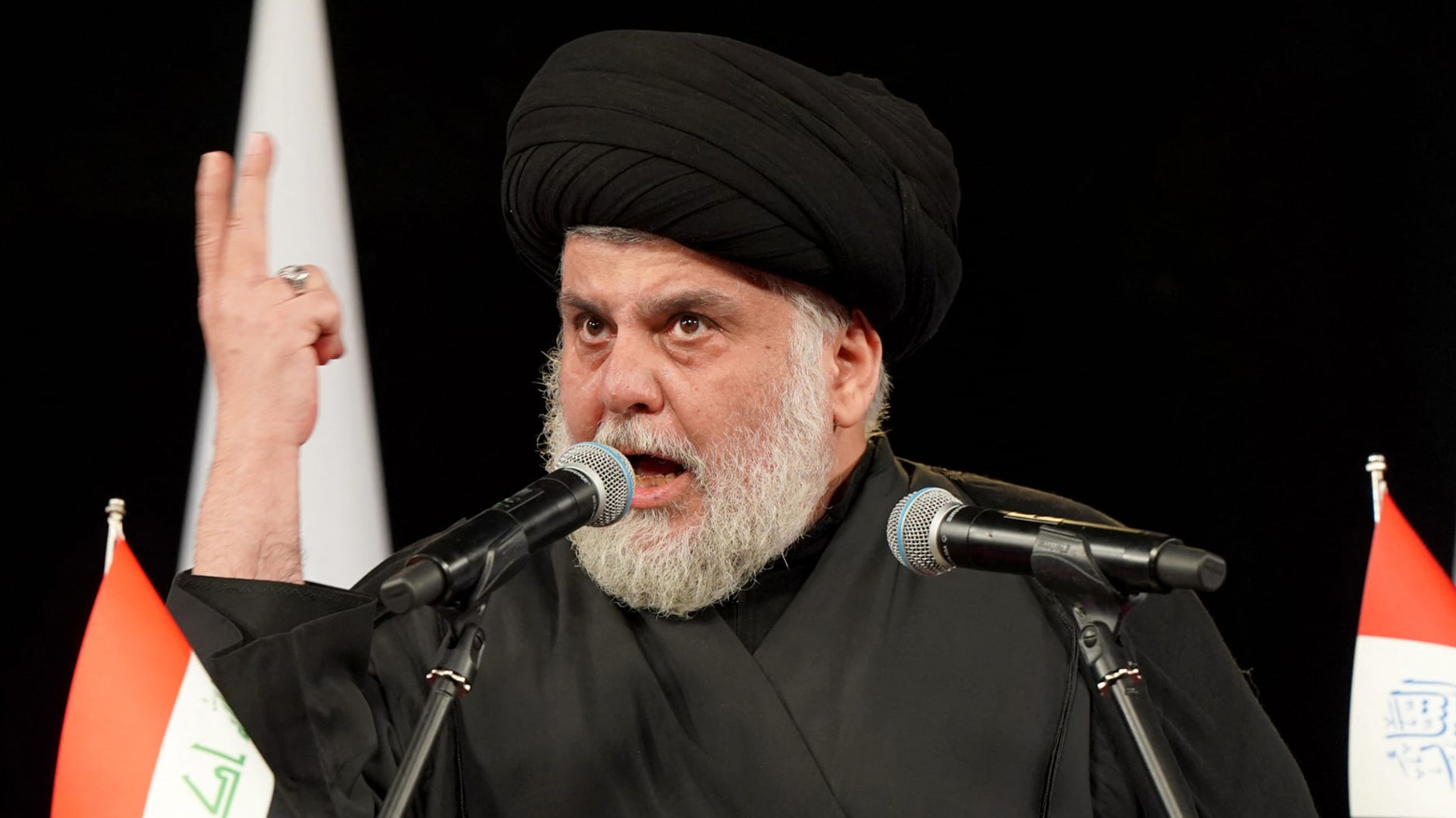
ERBIL (Kurdistan24) - Muqtada al-Sayyid Muhammad al-Sadr used a new public statement on July 30 to deliver one of his sharpest rebukes yet to Iraq's armed factions, arguing that the refusal to place all weapons under state control has helped turn Iraq into a battleground for others' decisions. His message landed at a moment when regional tensions are again spilling across borders, from Saudi Arabia to Jordan and Iraq, giving his words renewed political weight.
In the statement, al-Sadr blamed what he called "brazen militias" and the persistence of weapons outside state authority for the deaths of fighters in the Popular Mobilization Forces and Iraq's regular security services.
He wrote that the consequences of unchecked arms have been paid by ordinary combatants and personnel, while leaders, in his telling, remain insulated from the costs. "Enough of these unilateral and irrational behaviors," he said.
His criticism was aimed not only at the existence of armed groups but at the political culture surrounding them.
Al-Sadr accused senior militia figures of living in comfort while pursuing commercial interests, a line that underscored his longstanding view that parallel armed power has distorted Iraqi politics and weakened the state.
Rather than calling for compromise with such groups, he framed the issue as one of responsibility: armed actors, he argued, should no longer be allowed to act on their own terms while others absorb the consequences.
The statement also carried a moral appeal. Al-Sadr prayed for the dead and for their families, saying he sought mercy for Iraq's "martyrs" and patience for their loved ones.
He closed by asking God to protect Iraq from harm and wrongdoing. The language was brief, but its message was unmistakable: Iraq, in his view, remains at risk so long as military force is fragmented and political discipline is absent.
That warning resonates beyond Iraq's internal debate.
The statement was issued as the United Arab Emirates condemned renewed drone attacks that attempted to target oil facilities in Saudi Arabia, saying the attacks launched from Iraqi territory violated Saudi sovereignty and threatened regional security. Abu Dhabi reaffirmed "full solidarity" with Riyadh and backed measures to protect the kingdom's stability.
The overlap is not incidental.
For Iraq, the rise of armed groups acting outside clear state control has become a domestic governance problem and a regional liability at the same time. Drone and missile attacks, retaliatory strikes, and the growing willingness of regional governments to respond more forcefully have sharpened the stakes for Baghdad.
Al-Sadr's intervention effectively placed Iraq's internal weapons dispute inside that wider security picture.
His remarks also reflect a familiar tension in Iraqi politics: the state says it wants sovereignty, but armed actors continue to shape events far beyond the capital.
By tying recent deaths among PMF and security forces to the failure of the state to monopolize force, al-Sadr was not simply criticizing militias. He was arguing that Iraq's institutions, if they are to remain credible, must stop tolerating armed conduct that pulls the country toward confrontation.
The wider regional setting helps explain why the statement drew attention. Gulf states are increasingly treating attacks on Saudi infrastructure as matters of collective security, while Jordan has already intercepted missiles launched from Iran as the confrontation widens.
That makes Iraq's internal debates over weapons, command, and accountability more than a domestic quarrel. They now intersect with a regional environment where one side's escalation can quickly become another country's crisis.
In that sense, al-Sadr's statement was both a denunciation and a warning.
It challenged militias that, in his telling, place themselves above the state, and it urged Iraq to move away from what he sees as destructive unilateralism. But it also signaled that the country's unresolved struggle over who controls force is increasingly unfolding against the backdrop of a Middle East in which borders are no longer a reliable barrier to violence.