Iran Threatens Regional Energy Strikes as Kuwait Intercepts Iranian Drones Targeting Vital Sites
Tehran escalates rhetoric to its most explicit energy warfare threat yet as Gulf states brace for a new wave of attacks and global oil prices hover near $100 a barrel on day 154 of the conflict
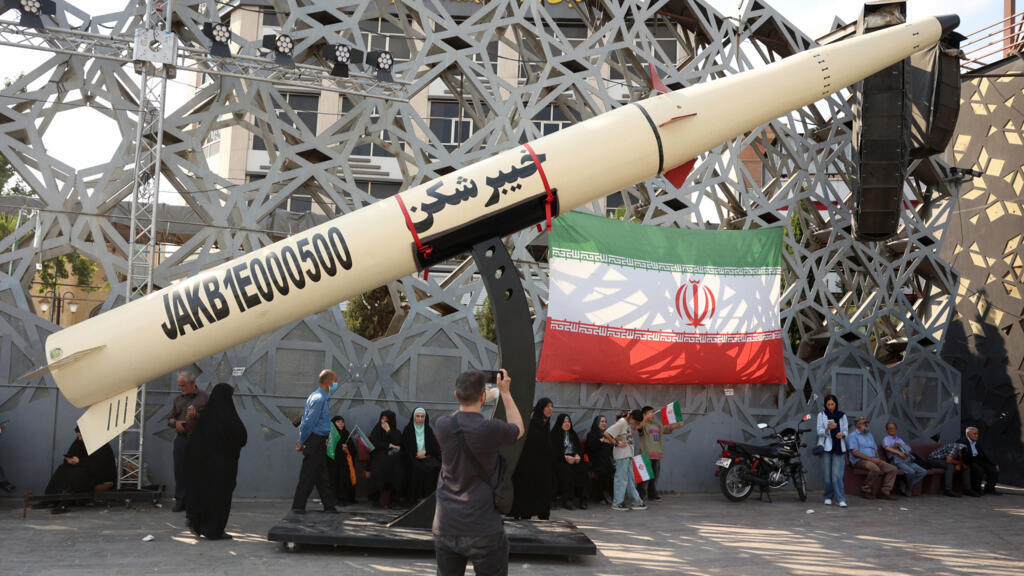
WASHINGTON, D.C. (Kurdistan 24) - Iran escalated its public threats against regional energy infrastructure on Saturday with state-linked media warning that Tehran will strike oil and gas facilities across Saudi Arabia, the United Arab Emirates, Qatar, and Israel if the United States launches fresh attacks against Iranian territory, as Kuwait announced it had intercepted Iranian drones targeting vital sites within its borders, marking the latest in a sustained campaign of aerial attacks against Gulf state infrastructure that has pushed global energy supply risks to their highest point since the conflict began.
A senior Iranian security official quoted by the IRGC-affiliated Tasnim News Agency warned that Tehran's response plan includes striking critical infrastructure in Israel and American energy infrastructure across the region, while simultaneously calling reports of potential US and Israeli strikes on Iranian infrastructure a "form of recklessness." The warning represents the most explicit public articulation of Iran's energy warfare doctrine since the conflict began on Feb. 28, 2026, naming specific countries and categories of infrastructure as targets in a manner that no previous Iranian statement had done with such directness.
As Global Security confirmed on Thursday, citing Al Jazeera, the IRGC claimed a retaliatory attack on Kuwait on July 31, with the Iranian army separately confirming it struck the US air base in Kuwait in retaliation for a prior American strike on Qeshm Island. CNBC reported on Thursday that Iran targeted strategic US assets in Kuwait and Bahrain in the latest round of strikes. Kuwait's interception of Iranian drones targeting vital sites underlines that the Gulf state, despite its efforts to maintain a degree of distance from the conflict, remains within the operational reach of Iran's aerial attack campaign.
The energy infrastructure threat carries immediate and concrete weight given the documented pattern of Iranian attacks on Gulf energy assets throughout the conflict. Euronews confirmed on March 2, 2026, that Iranian drones struck Saudi Arabia's Ras Tanura oil refinery, causing fires at the complex. Kuwait's Mina al-Ahmadi refinery was struck by drones on April 3, 2026, as News on Air reported, triggering a large fire at one of the country's key petroleum facilities. Kuwait International Airport's fuel storage tanks were hit in a separate drone attack on April 1, 2026, according to News on Air. Qatar's Ras Laffan Industrial City, the hub of the world's largest LNG complex, sustained Iranian missile strikes that QatarEnergy confirmed would result in $20 billion in lost revenue and require up to five years to repair. Operations at Abu Dhabi's Habshan gas facilities were suspended after debris from intercepted drones fell on the site, as the Jerusalem Post reported on April 5, 2026.
Saudi Arabia proposed a multinational maritime defense coalition on Thursday to safeguard shipping and energy routes in the region, Global Security confirmed, marking the first attempt by a regional state to build standing collective security architecture around the shipping war rather than absorb Iranian attacks bilaterally. The proposal reflects Riyadh's assessment, conveyed to Vice President Vance and President Trump in back-to-back meetings in Washington this week by Defense Minister Prince Khalid bin Salman, that Iran will continue seeking leverage through escalation using proxy forces in Iraq and Yemen's Houthi movement regardless of diplomatic openings.
The Senate blocked a war powers resolution on July 30, 2026, by a 50-49 vote, the second such measure to fail in the chamber in two weeks, as Global Security reported on Thursday. The resolution, sponsored by Senators Adam Schiff, Tim Kaine, and Minority Leader Chuck Schumer, would have required explicit congressional authorization for continued US participation in hostilities against Iran. The 60-day War Powers Act clock opened by the July 10 notification to Congress continues to run toward September, adding a constitutional timeline to the political pressure the administration is managing.
The broader economic consequences of Thursday's threats were already visible in energy markets. Brent crude oil briefly surged above $100 a barrel on Wednesday, July 29, for the first time since May, as NBC News confirmed, before pulling back to hover around $97 a barrel, with Iran's explicit threat to strike Gulf energy infrastructure on Thursday adding fresh upward pressure to a market already stretched by five months of sustained Hormuz disruption, Saudi export rerouting, and accumulated damage to energy facilities across the region.
Iran's Senate rejection of de-escalation moves and its rejection on Wednesday of an Omani proposal to evenly divide control of the Strait of Hormuz eliminated two of the remaining diplomatic mechanisms available for resolving the conflict's most economically consequential dimensions, leaving military pressure, economic sanctions, and the threat of infrastructure strikes as the primary instruments both sides are now deploying simultaneously.
| BRIEF: Iran threatened on Saturday to strike oil and gas facilities across Saudi Arabia, the UAE, Qatar, and Israel if the US launches fresh attacks, as Kuwait intercepted Iranian drones targeting vital sites. The threat came on day 154 of the conflict as Brent crude hovered near $100 a barrel and Saudi Arabia proposed a multinational maritime defense coalition. |