U.S., Iran Could Reach Strait of Hormuz Agreement Within Days, Bessent Says
Treasury Secretary tells CNBC negotiations could soon restore freedom of navigation for commercial shipping through the strategic waterway.
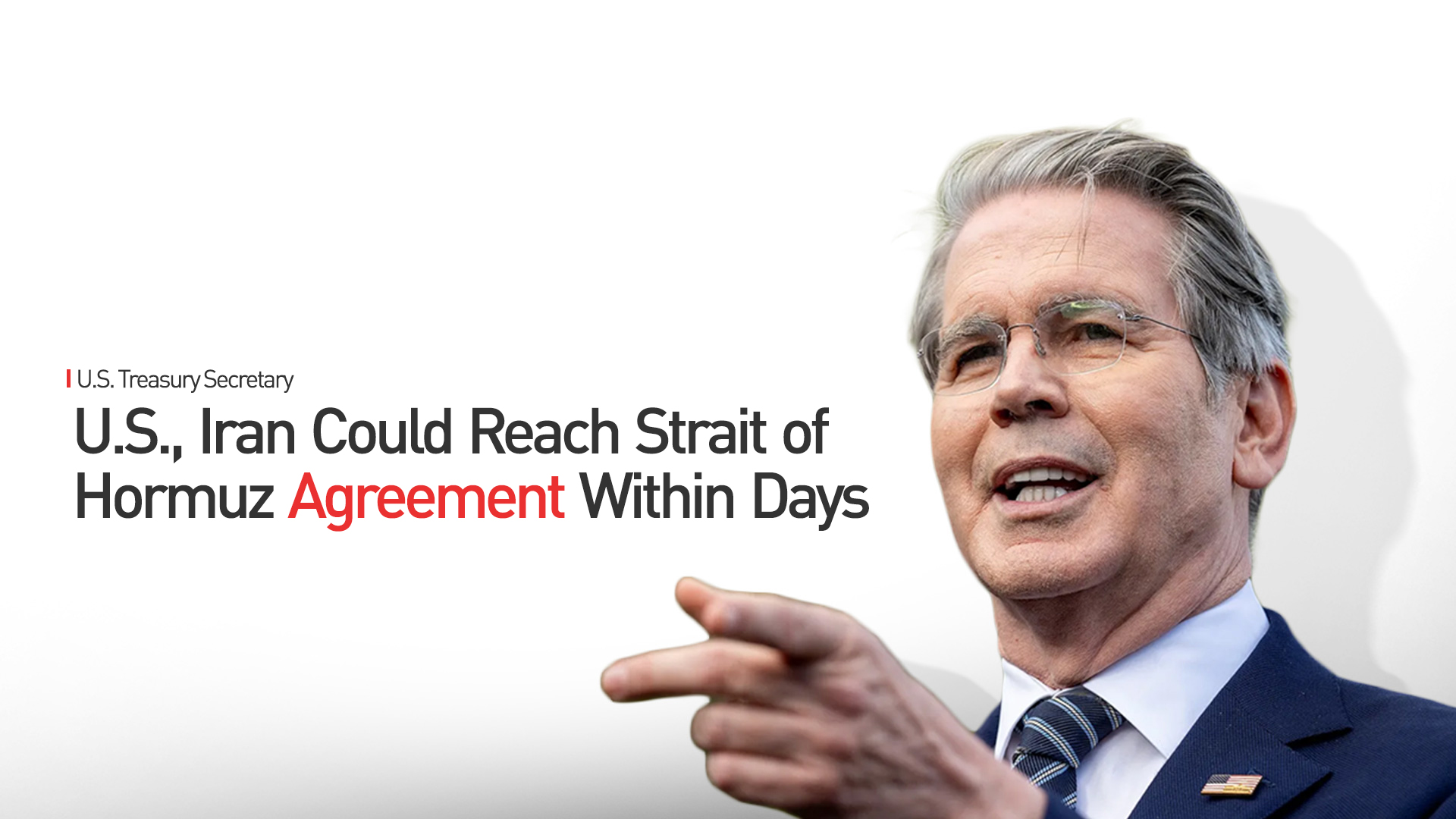
ERBIL (Kurdistan24) - The United States and Iran could reach an agreement as early as Tuesday or Wednesday to reopen the Strait of Hormuz and guarantee freedom of navigation for commercial vessels, U.S. Treasury Secretary Scott Bessent said on Tuesday, signaling a possible diplomatic breakthrough in efforts to ease tensions around one of the world's most vital maritime corridors.
Speaking in an interview with CNBC's Squawk Box, Bessent said Washington and Tehran are actively engaged in negotiations aimed at restoring normal commercial transit through the strategic waterway, which carries a significant share of global energy shipments.
"We are in talks with the Iranians," Bessent said during the interview. "There is a chance we may have a deal today or tomorrow to open the Strait and move towards a more normalized position in this conflict."
His remarks suggest that discussions between the two sides may be nearing a conclusion, with a potential agreement focused on ensuring uninterrupted passage for commercial shipping through the Strait of Hormuz.
Asked whether any arrangement would allow Iran to impose fees on vessels transiting the waterway, Bessent indicated that the proposed framework would instead prioritize unrestricted commercial navigation.
"It would be freedom of movement," he said, adding that commercial traffic has continued despite recent instability.
Bessent noted that while conditions in the area have remained uncertain in recent days, maritime activity has not come to a complete halt.
"Even though things are still a little dicey there over the past few days, we saw quite a few ships coming out even now," he said.
The Strait of Hormuz is one of the world's most strategically important shipping routes, serving as a critical gateway for global oil exports and broader commercial trade. Any disruption to navigation through the narrow waterway has the potential to affect international energy markets and supply chains.
Bessent's comments, however, pointed toward a possible easing of tensions, with negotiations focused on preserving open access for commercial vessels rather than restricting maritime traffic.
If finalized, the agreement would represent a significant diplomatic step toward restoring stability in the Strait of Hormuz and reinforcing the principle of freedom of navigation through one of the world's busiest maritime chokepoints, according to Bessent's remarks to CNBC.