Iraq’s Federal Supreme Court Grants Cabinet Authority to Dismiss Incompetent Directors General
Court ruling clarifies the government’s constitutional powers to remove senior administrative officials while stressing legal safeguards and the protection of public funds
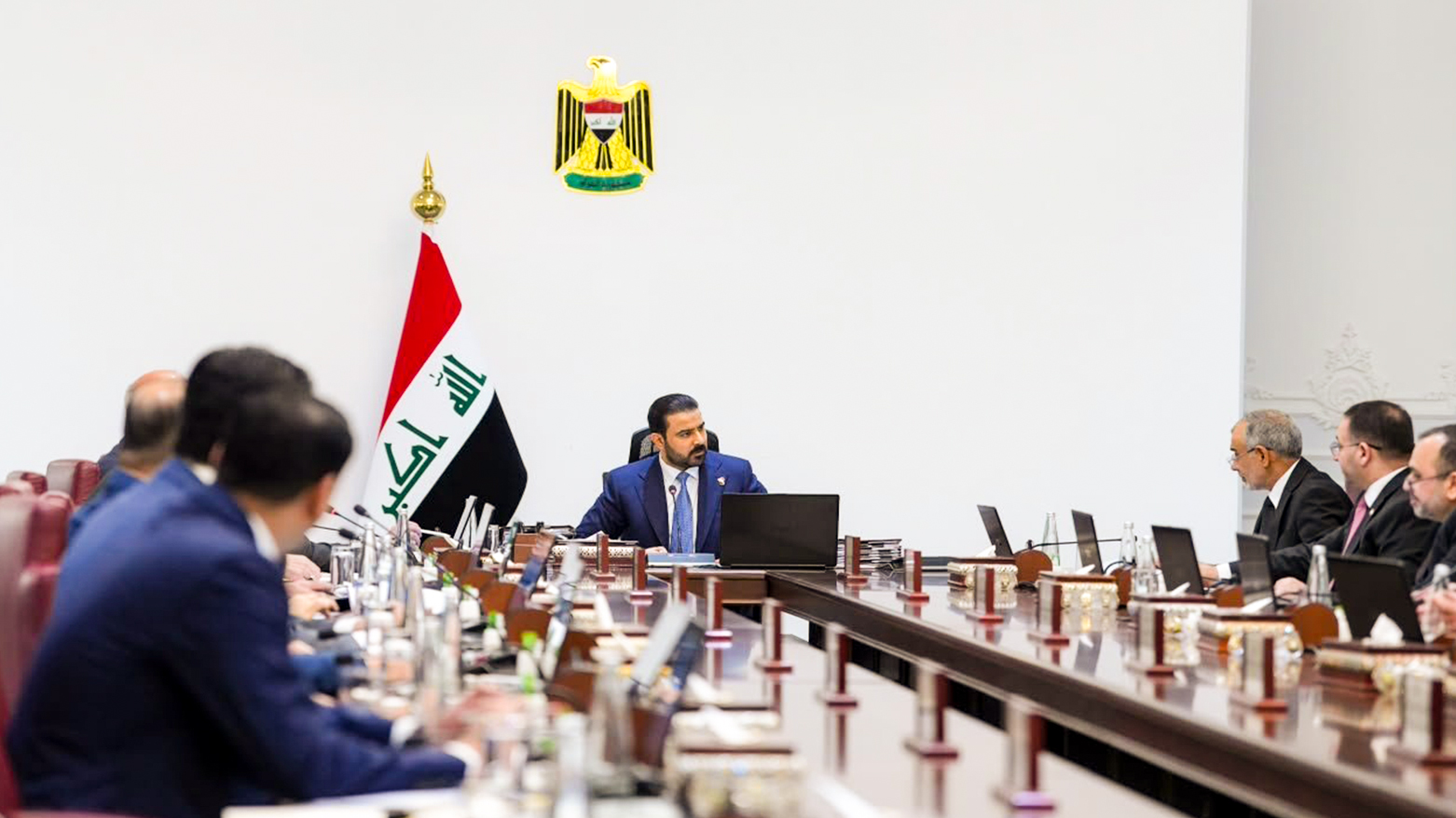
ERBIL (Kurdistan24) — Iraq’s Federal Supreme Court has ruled that the Council of Ministers has the constitutional authority to dismiss directors-general whose incompetence or lack of professional qualifications is established, following a request for clarification submitted by Prime Minister Ali Falih al-Zaidi.
The court issued its ruling, numbered 227/Federal/2026, on Aug. 24 and made it public on Aug. 27. The decision responded to a request from Prime Minister al-Zaidi seeking an interpretation of paragraphs First and Fifth of Article 80 of the Iraqi Constitution, which define the powers of the Council of Ministers in administrative affairs and its authority to propose the dismissal of holders of special grades.
The Federal Supreme Court said the Council of Ministers, within the limits of its constitutional jurisdiction, is entitled to remove directors general from their positions when their unsuitability or inability to continue performing their duties is established.
The court also determined that Law No. 880 of 1988 does not prevent the Council of Ministers from exercising this authority, except in circumstances specifically regulated by the law itself.
Special-grade officials
Regarding holders of special grades, the court clarified that the Council of Ministers may submit proposals for their dismissal to the Iraqi Parliament.
Such proposals, however, remain subject to Parliament exercising its constitutional and legal authority to approve dismissals in accordance with the applicable laws.
The ruling stressed that the power to dismiss officials is not absolute and must be exercised in accordance with the principle of legality and the legal guarantees afforded to public employees.
The court said the purpose of exercising the dismissal authority must be to serve the public interest and ensure the proper functioning of public institutions.
It further warned that dismissal powers must not be used in a manner that circumvents established legal procedures.
The court also stressed that decisions to remove officials should not create an unnecessary financial burden on the public treasury or result in the duplication of government positions without legal basis.
According to the published court document, the ruling was adopted unanimously and is final and binding on all state authorities.
The decision could give the Iraqi government greater administrative latitude to restructure senior positions and remove officials deemed unable to perform their duties, while placing legal and constitutional limits on how that authority can be exercised.