Vance Says He Would Not Call Iran Conflict a ‘War’ as US Seeks to Draw Line Under Fighting
“I wouldn’t call it a war. Right now, there is no active shooting,” Vance told a White House briefing when asked whether the conflict would be over before the US midterm elections in November.
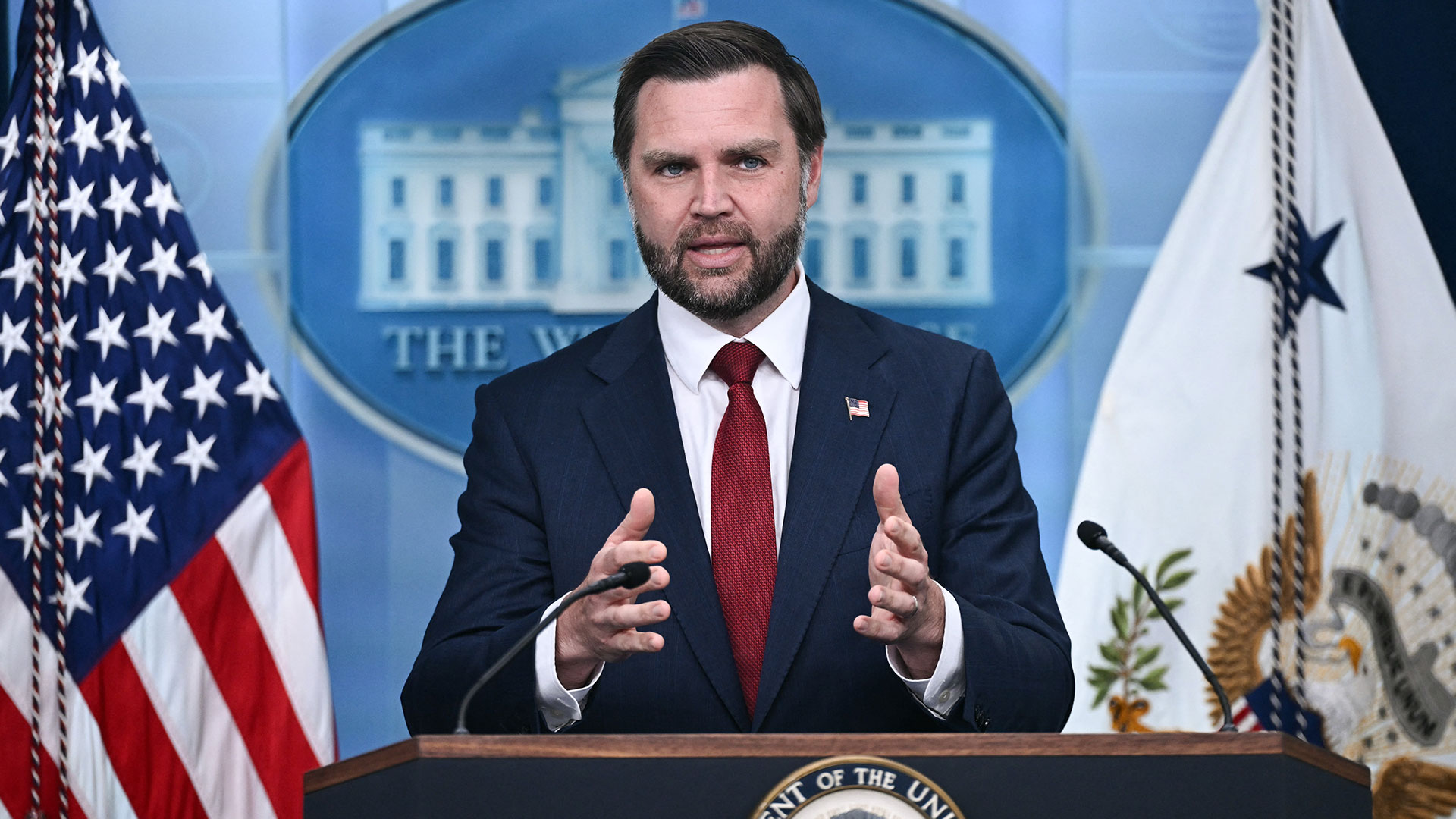
ERBIL (Kurdistan24) – US Vice President JD Vance said Thursday that he would not characterize the ongoing conflict with Iran as a war, despite renewed clashes and tensions with Tehran six months after the conflict began.
“I wouldn’t call it a war. Right now, there is no active shooting,” Vance told a White House briefing when asked whether the conflict would be over before the US midterm elections in November.
Vance acknowledged that fighting had “flared up” in some areas but said major combat operations lasted only about six weeks following the start of US-Israeli strikes against Iran on February 28.
“When you ask when will this end, you’re asking me a question like when will the Iranians stop shooting at ships? I think the reality is I don’t know the answer to that question. You would have to ask the Iranians,” he said.
His remarks came as the Trump administration appeared increasingly focused on drawing a line under the conflict, which has posed growing economic and political challenges for Washington.
After several weeks of relative calm, clashes resumed with US raids on Sunday, deepening the standoff as Iran continues to exert pressure on shipping through the strategic Strait of Hormuz.
Vance said the United States would not resume negotiations with Iran until Tehran stops attacks on commercial shipping.
At the same time, the administration has sought to reassure the public that oil shipments through the waterway are recovering toward pre-conflict levels, amid concerns that higher fuel prices could hurt Republicans in November’s congressional elections.
“Its control over the Strait of Hormuz is effectively gone,” Vance said of Iran.
“If you go back three months ago, how much oil and gas was coming out of the strait under Iranian threats? It was virtually nothing. Now, it’s almost back to where it was before the conflict even started,” he added.