Zelensky Offers to Meet Putin at G20 as Kremlin Rejects Proposal
Ukrainian president says he is ready for talks with Russia’s leader in Miami, but Moscow insists any face-to-face meeting must take place in the Russian capital
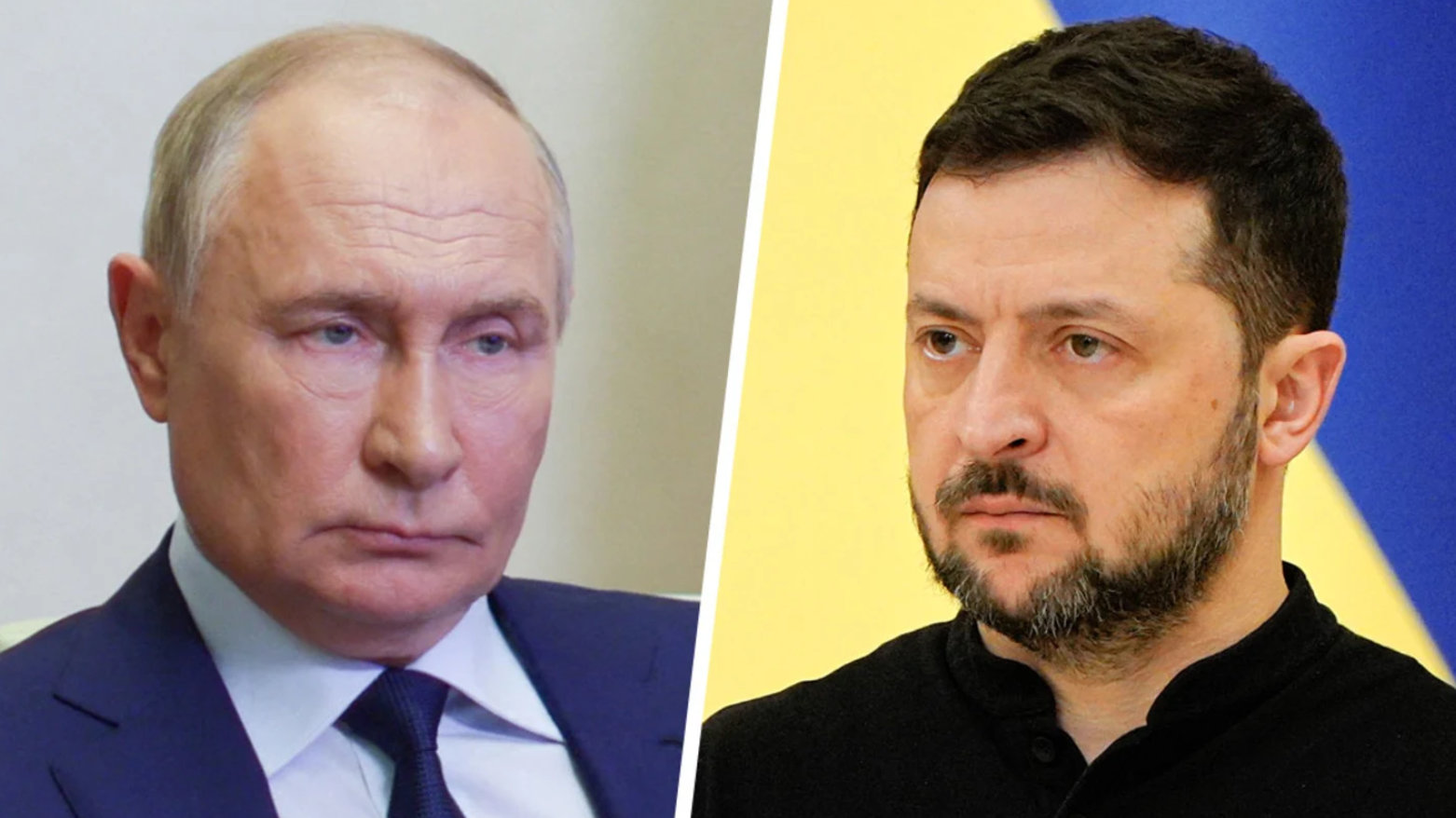
ERBIL (Kurdistan24) — Ukrainian President Volodymyr Zelensky said Saturday he would be willing to meet Russian President Vladimir Putin at the G20 summit in Miami in December to discuss ending the war, but the Kremlin immediately rejected the proposal, insisting that any such meeting could only take place in Moscow.
“It is impossible,” Kremlin spokesman Dmitry Peskov told AFP in New Delhi when asked about a meeting in Miami. “There is a readiness to meet him in Moscow,” he added.
The G20 summit is scheduled for Dec. 14-15, although it remains unclear whether Putin will attend. Russia’s finance minister has already participated in a G20 meeting this year.
Asked by German broadcaster Deutsche Welle whether he would meet Putin at the summit if both leaders were invited, Zelensky said, “Yes, of course.”
“We have to come. We have to meet, to speak, and make decisions. It's not about words,” Zelensky said, stressing that the outcome of any meeting mattered more than what either side said.
The proposal comes as Washington seeks to revive negotiations aimed at ending more than four years of war. US negotiators have recently traveled to both Kyiv and Moscow, while US President Donald Trump and Putin have held talks by phone.
Trump’s special envoy and son-in-law, Jared Kushner, said Friday that he hoped to announce the “next steps” in negotiations within a couple of weeks.
Zelensky said a recent visit to Kyiv and Moscow by Kushner and US envoy Steve Witkoff was a “good signal,” particularly because the US officials traveled to both capitals.
The Ukrainian president has previously proposed meeting Putin in the United States. In June, he said he had raised the possibility during a call with Trump and was awaiting a response. He also said Putin had ignored an invitation to meet during a G7 summit in France that month.
Moscow has repeatedly rejected calls for a direct meeting with Zelensky, while insisting that any such talks should take place in Moscow. The Kremlin said earlier this week that it was too early to discuss a venue or dates for renewed negotiations.
'Good position for talks'
Zelensky said Ukraine was entering potential negotiations from a stronger position than it had been a year earlier.
“Ukraine now is much more stronger than last year on the battlefield,” he said. “That's why we think that we have now good position for negotiations.”
Previous rounds of negotiations have failed to produce a settlement, with deep differences remaining over territory, security guarantees and the terms of any ceasefire. Both sides have continued long-range strikes in recent months, contributing to the highest civilian death toll since the early stages of the war.
On Saturday, Russian strikes killed four people in Ukraine, including two in Zaporizhzhia and two at an ArcelorMittal plant in Kryvyi Rih, according to local authorities and the steelmaker.
Ukraine has also called for additional air-defense support from its Western allies, particularly interceptor missiles for US-made Patriot systems. Zelensky said US supplies had been reduced after Washington used large quantities during its war with Iran.
He said it remained unclear whether the United States could provide enough missiles, despite what he described as political willingness to support Ukraine, because production capacity remained limited.
Zelensky also urged European allies to provide greater military assistance, saying Ukraine's supporters in Europe had the resources needed to help defend the country.
The latest diplomatic push comes as the war continues to impose heavy costs on Ukraine’s economy. Ukrainian officials warned Saturday that intensified attacks on key sectors, particularly energy infrastructure, could reduce the country’s GDP growth by 1.5 percentage points this year and make the coming winter particularly difficult.