Iran Adds AI Sites To Target List
A senior Iranian security official told CNN that regional AI infrastructure is now on Iran’s retaliation list and that any new war would be a long “war of surprises,” as US forces are reportedly ready to launch major operations within 96 hours of an order
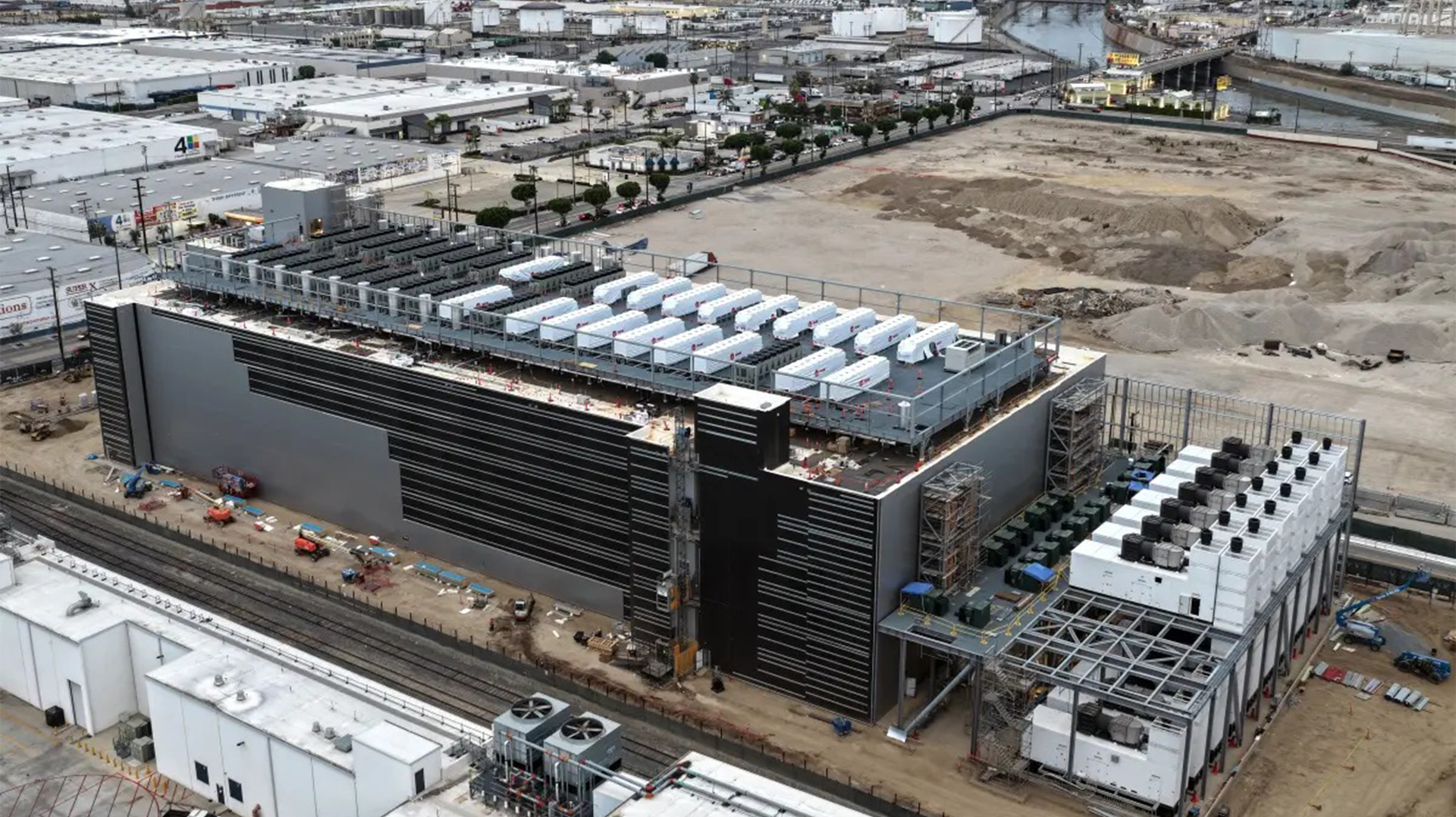
ERBIL (Kurdistan 24) - A senior Iranian security official has told CNN that Iran has added regional artificial intelligence infrastructure to its list of retaliation targets, and that any renewed war with the United States or Israel would become a long “war of surprises,” CNN’s Fred Pleitgen reported on Friday evening.
The official spoke on condition of anonymity, and the claim cannot be independently verified. According to the account, the official said striking AI infrastructure would carry consequences beyond the energy crisis and the Strait of Hormuz, with effects felt worldwide. The official said Iran would prioritize surprise in the next war, both at the start and throughout, and would avoid predictable behavior. CNN’s published excerpts name no specific sites or countries.
A longer version of the remarks is circulating online. It says Iran’s target list has been updated and is broad, that Tehran will not let Washington carry out an aggressive plan, and that AI infrastructure enables US and Israeli aggression and is therefore a legitimate target. Those lines do not appear in the CNN excerpts reviewed, so they should be treated as unconfirmed.
The threat builds on earlier warnings. Mohsen Rezaei, secretary of Iran’s Supreme National Security Council, said in mid-October that cables, data centers and AI facilities in the region could come within range if war resumes. Iran International reported on October 12 that state media quoted him as saying many such assets, “valued at $2 trillion,” would be within range. In a Press TV interview, he named US-linked assets in the United Arab Emirates and around the Strait of Hormuz, and RT’s account quoted him as saying the sites had not yet been included among Iran’s targets. In a separate interview with Drop Site, he said that if the conflict reignites, Iran will have a “much broader plan.” The Guardian reported on 10/22 that Rezaei said Iran would strike oil facilities, undersea cables, data centers and AI facilities across as many as seven Gulf countries. The $2 trillion figure is Rezaei’s own claim, not an audited inventory, and his remarks did not establish that all of the assets are American-owned or that Iran has chosen specific installations, according to Daily Pakistan.
Some of this has already happened. In March, Amazon Web Services said two of its facilities in the UAE were directly struck by drones and that a strike near a Bahrain site caused physical impact, Al Jazeera reported. The two UAE facilities went down at the same time, causing outages that disrupted banking, taxi and food-delivery apps in Dubai and Abu Dhabi, according to ABC News Australia. Al Jazeera has noted that Iran has threatened data centers and cables repeatedly since the war began in February.
The warning comes as the US posture hardens. CNN reported on Monday, citing two US officials, that American forces in the region could launch major operations against Iran within 96 hours of an order from President Donald Trump. “It will be a big effort,” one official said. Some current and former officials told CNN it is a question of when, not if, with an order most likely after the 11/3 midterms and before the end of the year. Trump has not made up his mind but appears to be leaning toward major action, the officials said, and they acknowledged that Iranian forces are now more familiar with American tactics, which makes it harder to destroy every intended target. They also said Iran and the Houthis would likely retaliate immediately against American personnel and facilities across the region and possibly beyond. Prime Minister Benjamin Netanyahu has pushed for new attacks, but US officials asked him to wait until Washington is ready for joint operations. The Wall Street Journal reported on Wednesday that the US has also told several Gulf Arab states to prepare for a short, intense campaign after the midterms.
Diplomacy is still running alongside the threats. Iranian negotiators were in Doha on Saturday for further talks with Qatari mediators, Reuters reported. Whether the AI warning is a bargaining chip or an operational plan will become clearer as Washington decides, within days, what comes after the vote on November 3rd.