'Economic Fury' Meets 'Economic Jihad'
U.S. sanctions strategy and Iran’s "economic jihad" narrative frame the same pressure differently, creating parallel systems of economic confrontation and competing legitimacy claims.
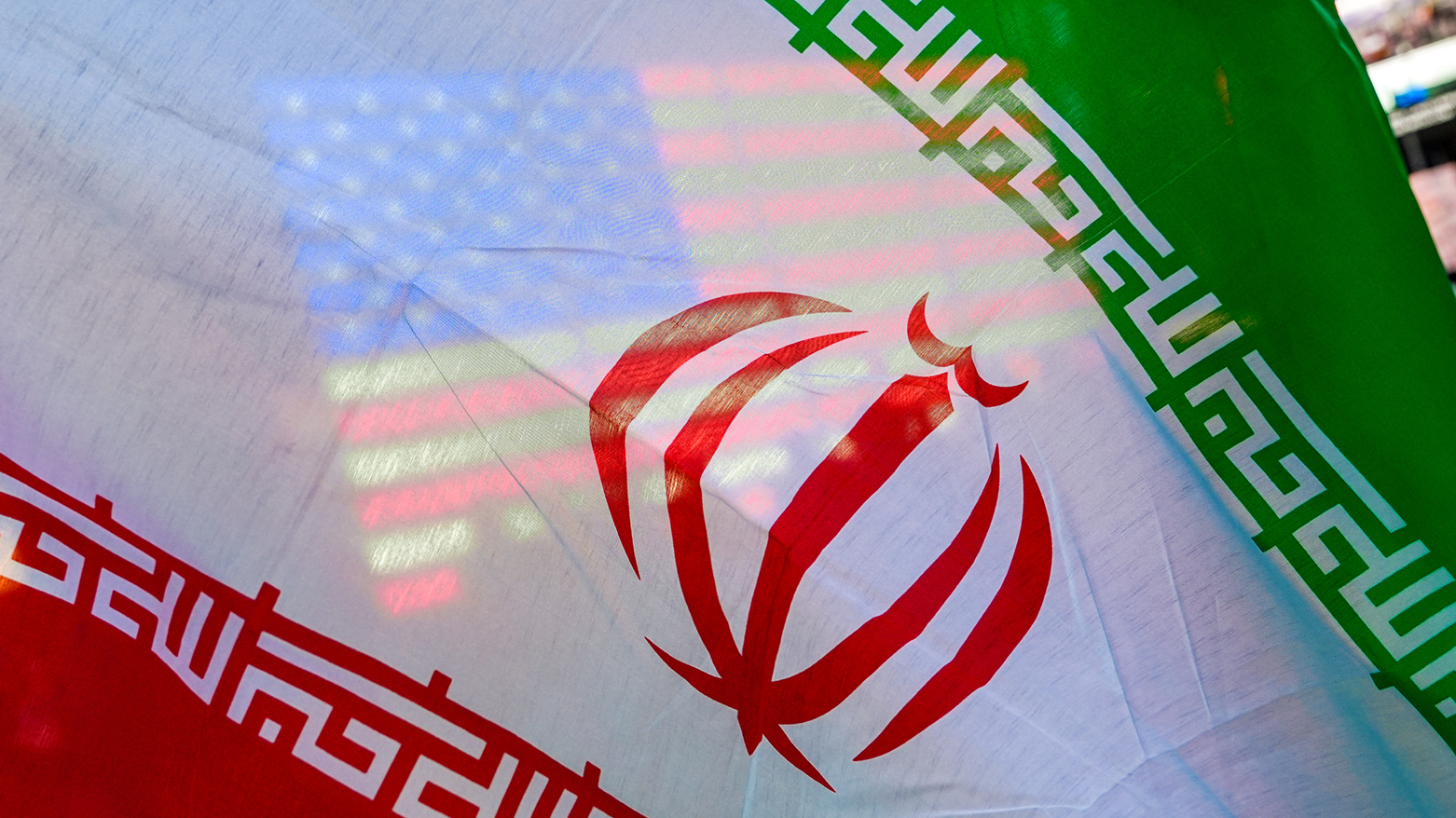
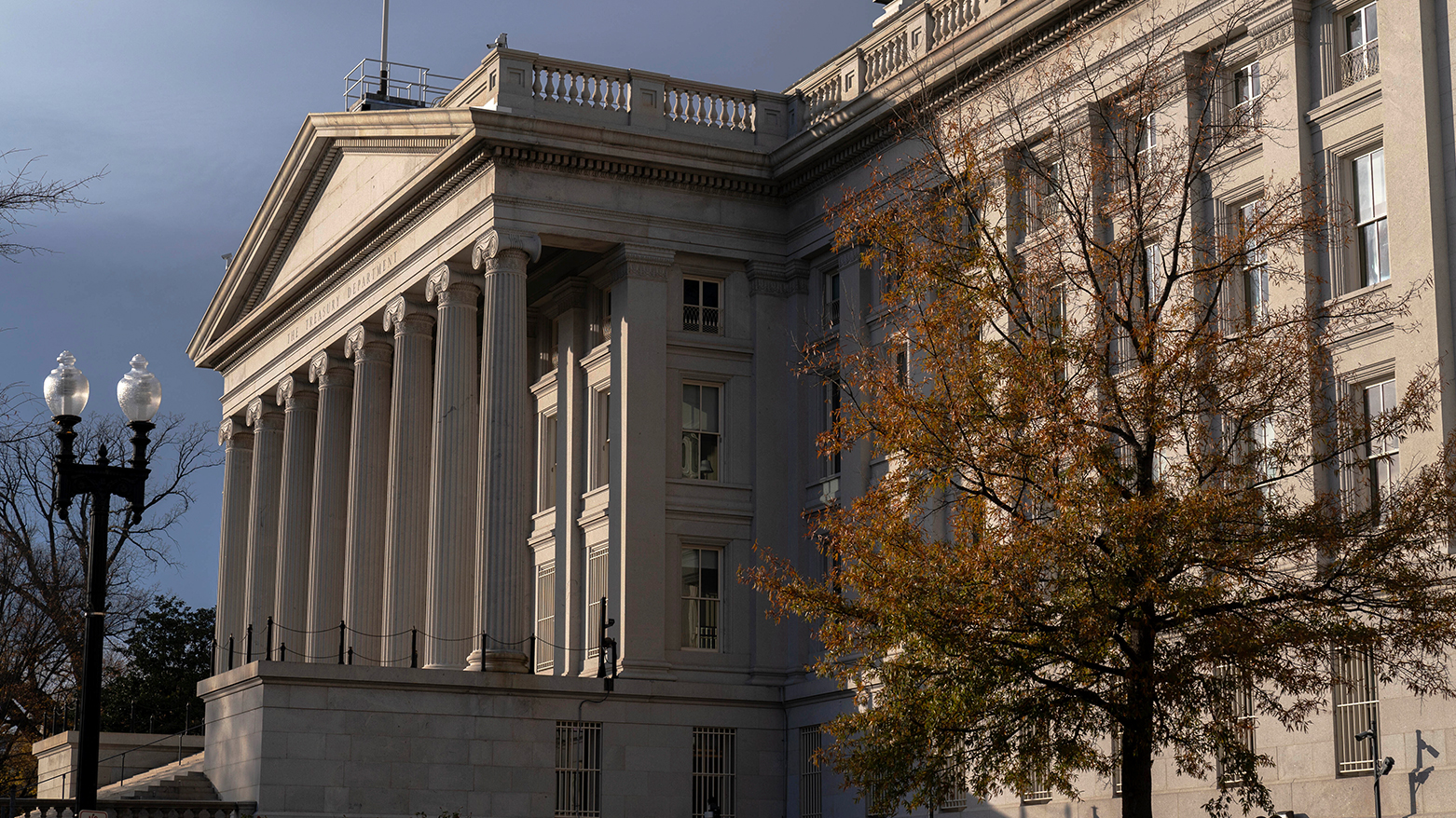
ERBIL (Kurdistan24) - The United States and Iran continue to articulate rival interpretive systems for the same underlying reality of sustained economic pressure. According to the U.S. Department of the Treasury, Operation Economic Fury represents a coordinated sanctions and enforcement architecture, launched in mid-April 2026, that systematically targets Iranian oil smuggling networks, shadow fleet logistics, militia-linked financing, missile and UAV procurement chains, and shadow banking systems.
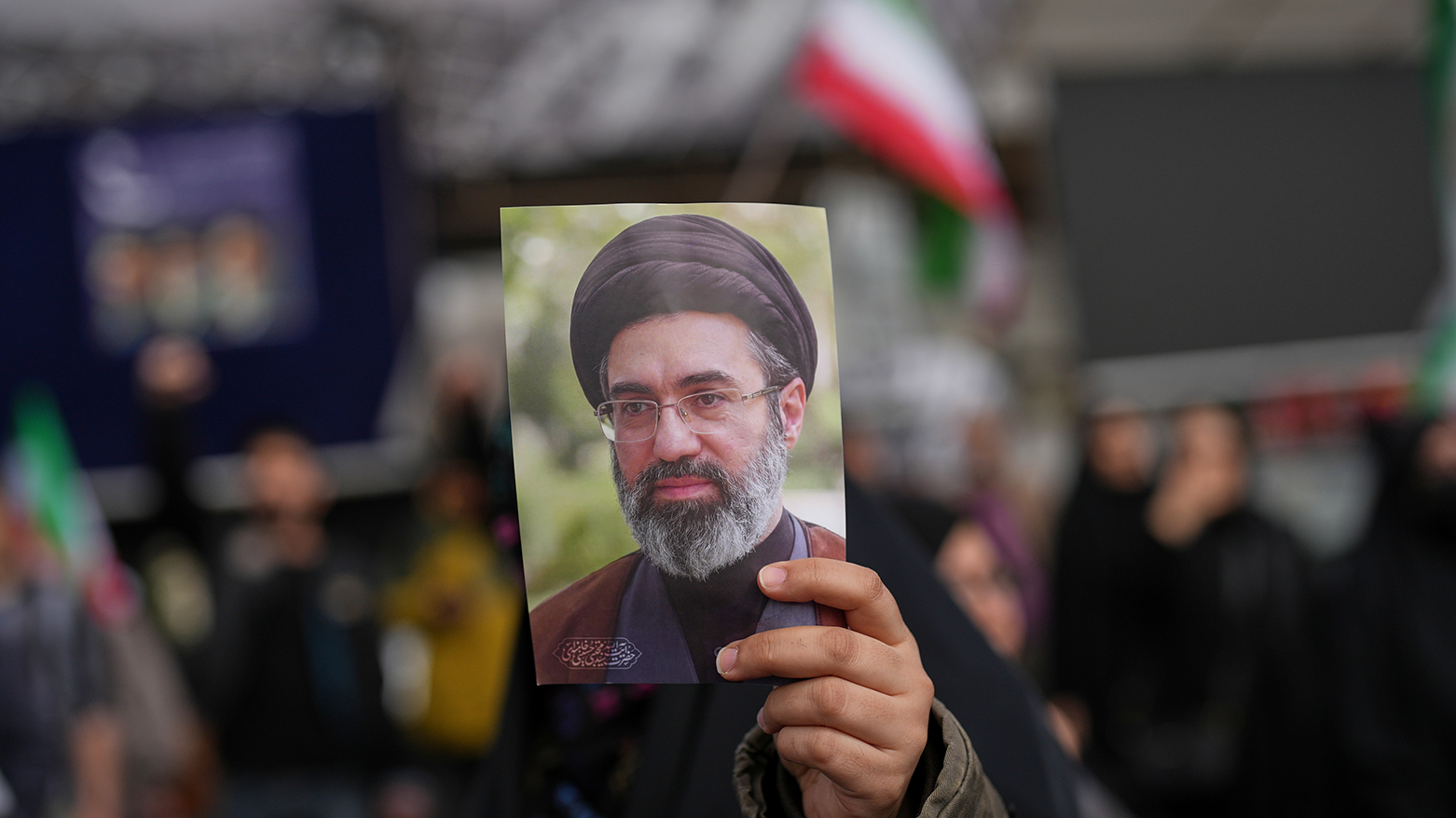
In a seemingly counterbalancing act, Iranian statements, as articulated in Ayatollah Seyyed Mojtaba Khamenei's Friday message, reframe this pressure as the "phase of economic and cultural jihad," positioning collective economic resilience as the continuation of a 47-year ideological struggle.
The central thesis of this analysis is that these two frameworks constitute a contest not merely of material resources but of economic statecraft and ideological legitimation: the U.S. deploys sanctions as tools of systemic disruption, while Iran mobilizes an ideological discourse of resistance economy to convert external coercion into internal cohesion.
This collision produces parallel escalation logics and competing legitimacy narratives within a structural economic confrontation.
The U.S. "Operation Economic Fury" Architecture
The Treasury's actions under Operation Economic Fury exhibit a consistent structural targeting logic that privileges networks over isolated entities, seeking to dismantle the interconnected infrastructure that sustains Iranian revenue streams and military capabilities.
According to the U.S. Department of the Treasury, the April 15, 2026 designation of the Shamkhani network illustrates this approach.
The action targeted Mohammad Hossein Shamkhani's multi-billion-dollar petroleum sales empire, encompassing UAE-based front companies such as Oriel Group, Corplinx Consultancy LLC FZ, House of Shipping Investment FZCO, Meritron DMCC, and Shipstar Shipchandling LLC, along with associated vessels including the AURA, HORAE, and CAUVERI.
These designations, pursued under Executive Order 13902 and counterterrorism authorities, disrupted not only oil smuggling but also a parallel Hizballah-linked gold scheme involving Venezuelan gold transfers routed through Mahan Air to IRGC-Qods Force beneficiaries.
The Treasury stated that such networks provide a "veneer of legitimacy" while financing regime elites and proxies, thereby integrating maritime logistics, commodity trading, and money laundering into a single sanctions-vulnerable architecture.
Subsequent actions extended this logic into militia-finance integration and procurement chains.
On April 17, 2026, the Treasury designated seven Iraqi militia commanders from Kata'ib Hizballah, Asa'ib Ahl al-Haqq, Kata'ib Sayyid al-Shuhada, and Harakat al-Nujaba pursuant to Executive Order 13224, as amended.
The Treasury emphasized that these commanders direct attacks on U.S. personnel while siphoning Iraqi wealth to finance Iran-aligned operations, underscoring the sanctions' role in severing militia financing as an extension of counterterrorism enforcement.
The April 21, 2026 action against Iranian missile and UAV procurement networks further demonstrated financial warfare architecture by targeting Pishgam Electronic Safeh Company's servomotor and carbon-fiber supply lines, Türkiye-based Emti Fiber Textile's cotton linter shipments for solid propellant precursors, and Mahan Air's logistical ecosystem, including Sepehr Kaveh Kish and associated aircraft.
These designations under Executive Orders 13382 and 13224 explicitly linked procurement facilitation to IRGC Aerospace Force Self Sufficiency Jihad Organization programs, illustrating how sanctions function as nonproliferation tools by raising transaction costs across third-country intermediaries in the UAE, Türkiye, and beyond.
The maritime/energy disruption strategy reached its broadest scope in the April 24, 2026 designation of a global network fueling Iran's oil trade and shadow fleet.
The Treasury identified China-based Hengli Petrochemical (Dalian) Refinery Co., Ltd. as a major purchaser of Iranian crude, alongside approximately 40 shipping entities and vessels, including the LISBOA, LYNN, and COVENIO, that transported billions of barrels of Iranian petroleum products to Asian markets.
Pursuant to Executive Order 13902 and National Security Presidential Memorandum 2, these measures aimed to constrict the "financial lifeline" of illicit oil flows, with secondary sanctions exposure explicitly warned for foreign financial institutions and vessel operators.
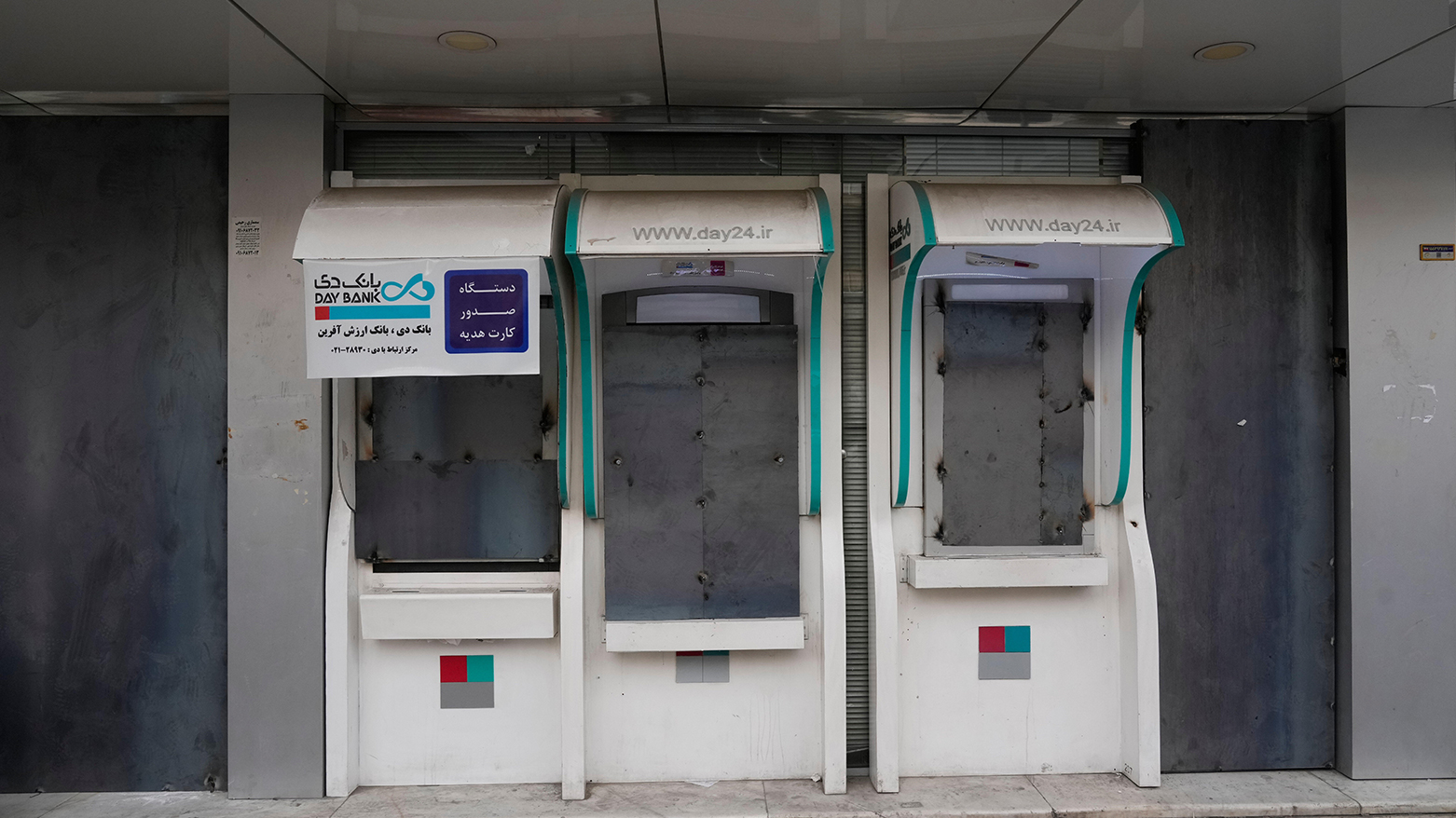
Finally, the April 28 and May 1, 2026 actions against Iran's shadow banking facilitators and foreign currency exchange houses completed the architecture.
The Treasury designated rahbar companies linked to Shahr Bank, Bank Sina, Bank Sepah, and others, such as Farab Soroush Afagh Qeshm Company, Nikan Pezhvak Aria Kish Company, and front entities like Shuqun LTD, along with exchange houses including Opal Exchange, Radin Exchange, and Tahayyori Guarantee Society.
These networks, the Treasury stated, move tens of billions in foreign currency, enabling payments for sanctioned trade, IRGC operations, and proxy financing while exploiting foreign bank accounts and shell companies in multiple jurisdictions.
Collectively, these actions reveal a sanctions strategy that treats the Iranian economy as a system of interdependent nodes, vessels, front companies, currency exchangers, and militia commanders, rather than discrete targets.
By leveraging secondary sanctions, correspondent account restrictions, and public guidance on Strait of Hormuz toll payments, the U.S. architecture seeks to impose cumulative friction across oil revenues, weapons procurement, and financial intermediation.
Iran's "Economic Jihad" Discourse
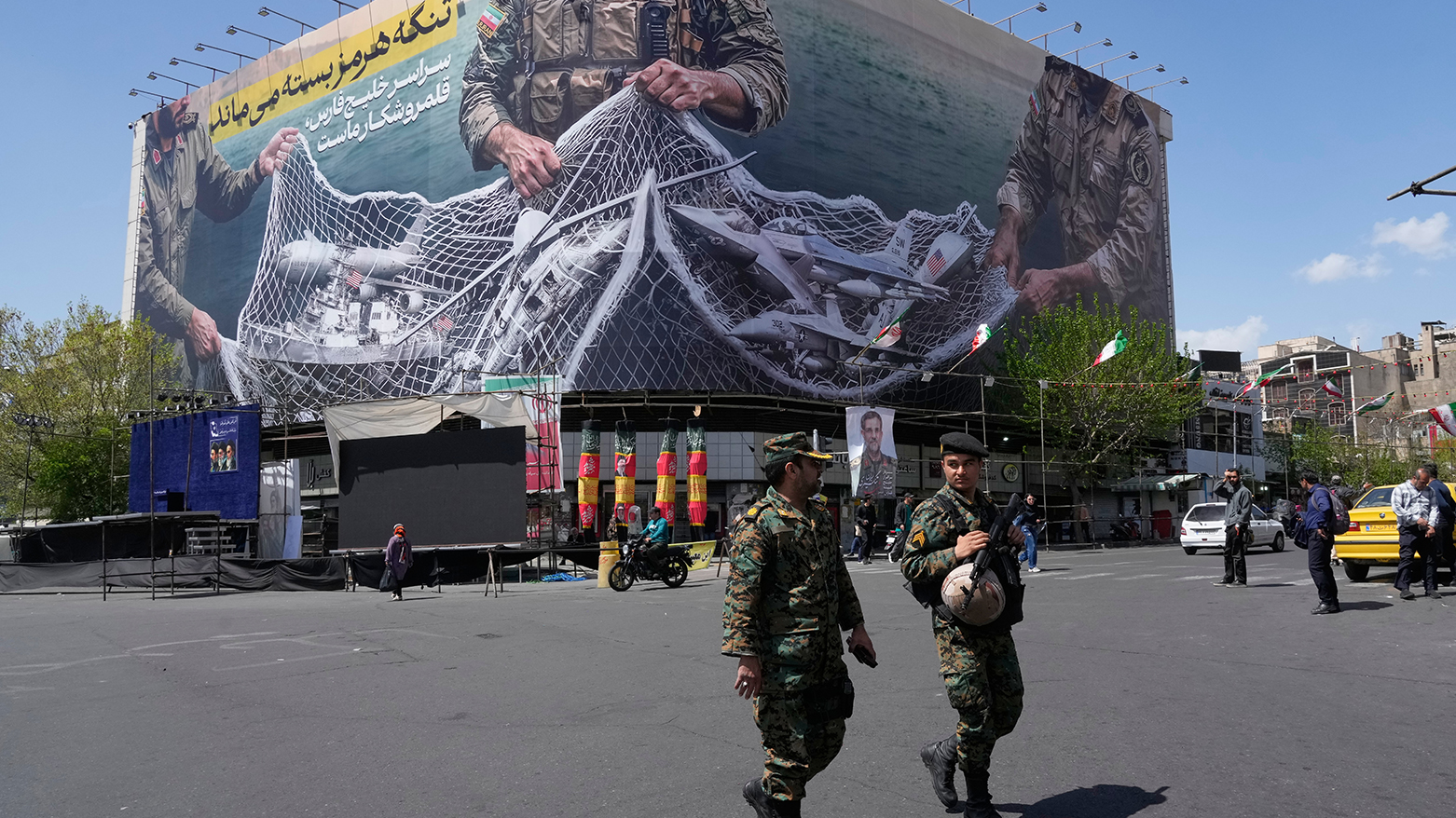
Iranian official discourse, as articulated in Ayatollah Seyyed Mojtaba Khamenei's May 1, 2026 statement, reframes the identical economic pressures as an arena of ideological and societal mobilization.
Iranian statements noted that the newly appointed Supreme Leader called upon the nation to "disappoint and defeat" adversaries in the "phase of economic and cultural jihad," explicitly linking this call to Iran's claimed military performance in recent conflict and positioning workers and teachers as the "backbone" of these struggles.
The statement, disseminated through Press TV and IRNA, does not introduce novel policy but extends a doctrinal lineage traceable to Ayatollah Ali Khamenei's 2011 designation of the year as one of "Economic Jihad" (Jahade Eqtesadi) and the subsequent formalization of "Policies of the Resistance Economy" (Eqtesade moqavemati) in 2014.
As described in official Iranian discourse, this lineage frames sanctions, intensified after earlier oil and banking measures, as an "imposed economic war," transforming external coercion into a sacred struggle requiring self-reliance, domestic production, and societal sacrifice.
The ideological framing of economic pressure is deliberate and multifaceted.
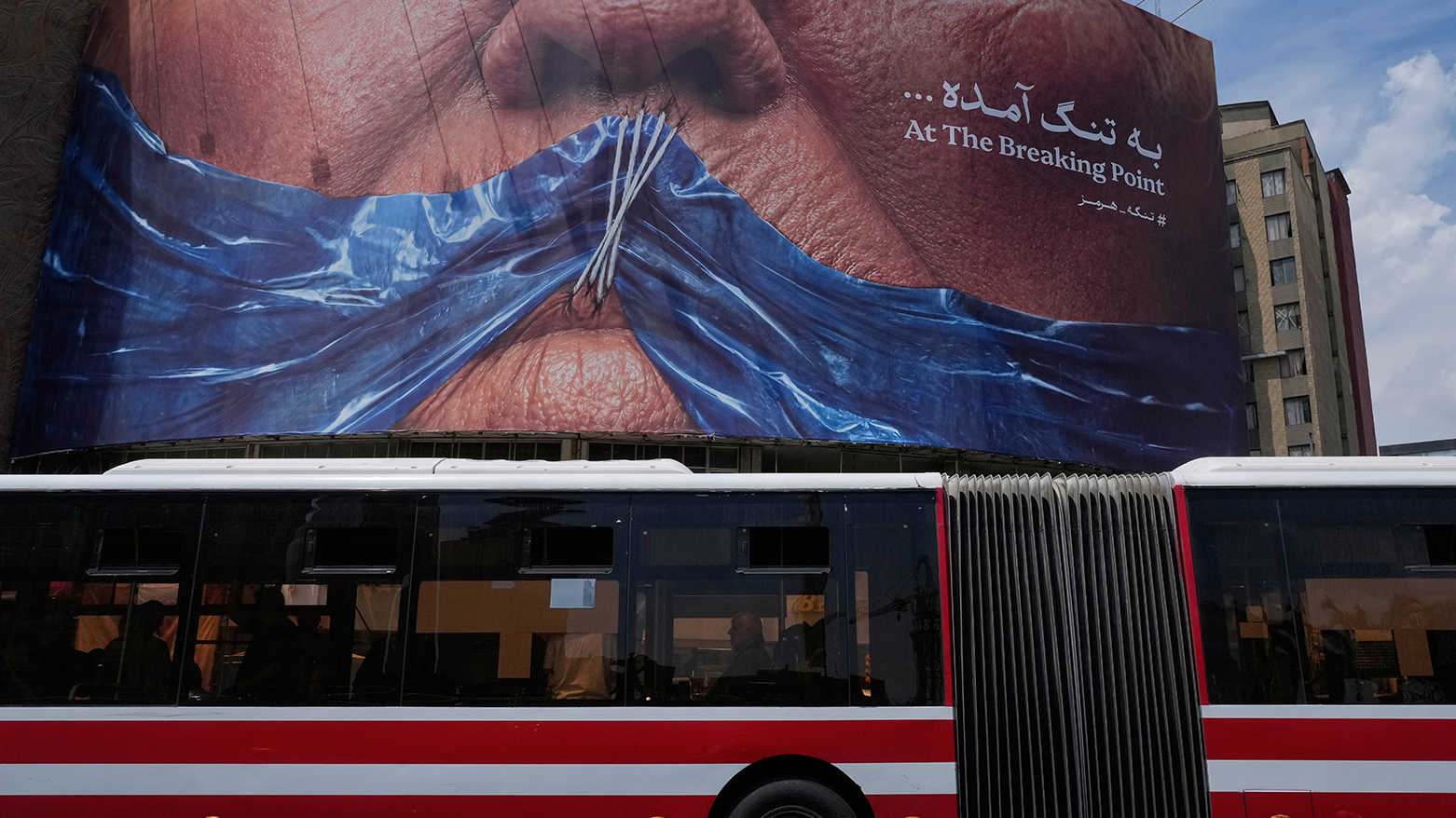
Iranian statements noted that economic jihad demands collective exertion, prioritizing Iranian-manufactured goods, minimizing layoffs through government-supported business continuity, and deepening Iranian-Islamic identity through education, while rejecting dependence on factors "not in Iran's hands."
Teachers are positioned as the "most effective link in the cultural battle," workers as "among the most influential elements in the economic struggle," and business owners as stewards of employees as "assets."
This discourse constructs internal legitimacy by portraying economic resilience as the next frontier of existential confrontation, continuous with four decades of revolutionary resistance.
It converts hardship into purposeful jihad, disciplined, divinely oriented exertion, thereby sustaining regime legitimacy amid reconstruction and renewed pressure.
The message addresses Iranian society holistically, urging public support for workers and educators comparable to backing for the armed forces, and signals that military "victory" merely shifts the arena of struggle rather than ending it.
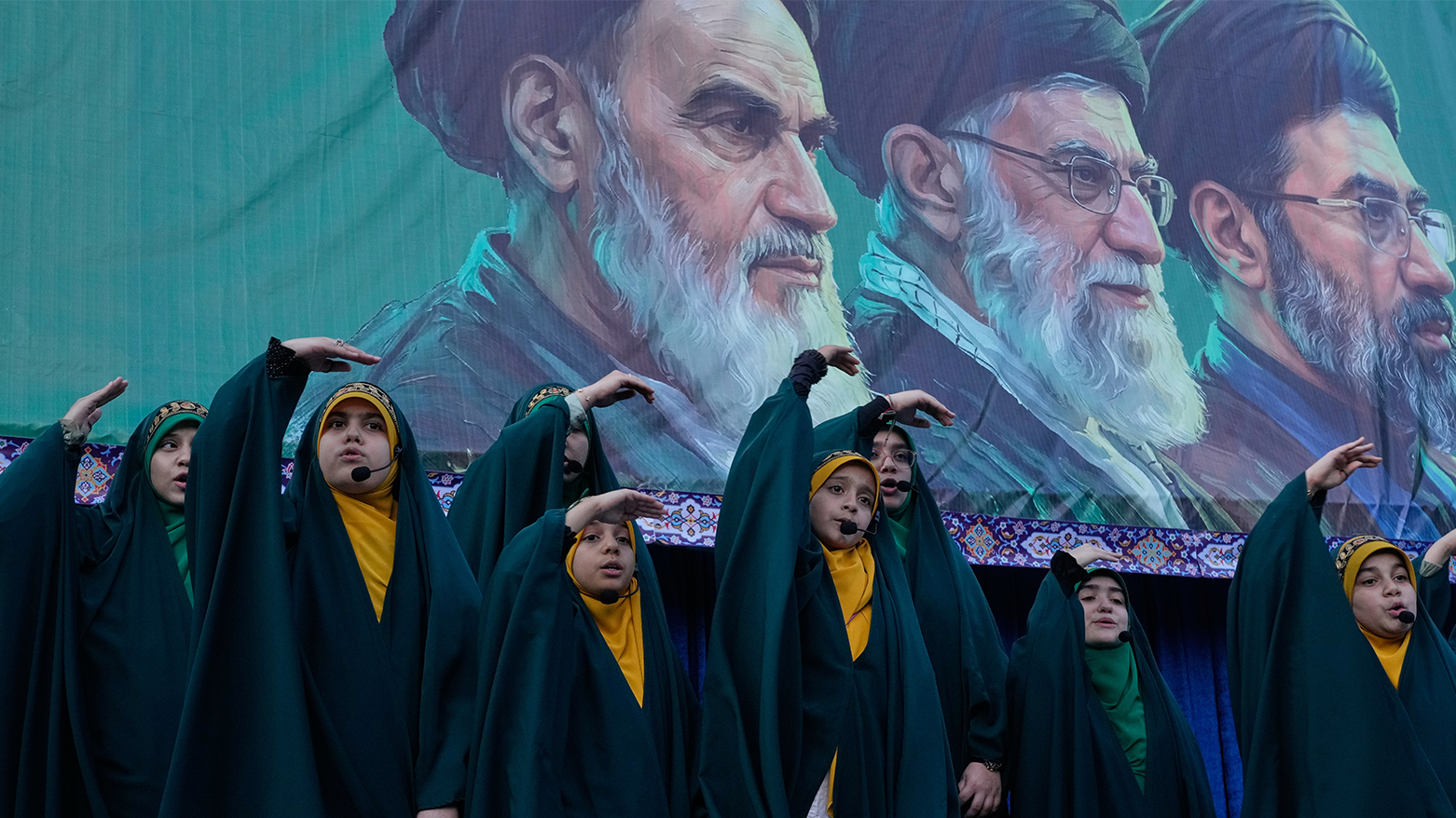
Discursive Collision: Sanctions vs Resistance Economy
"Economic Fury" and "Economic Jihad" function as competing narrative systems that mutually reinforce strategic logics while advancing distinct legitimacy claims.
The U.S. Treasury actions portray sanctions as precise, behavior-oriented instruments of accountability, repeatedly stating that designations aim "not to punish, but to bring about a positive change in behavior" and warning global actors of secondary sanctions exposure.
Iranian discourse, by contrast, interprets the same measures as hybrid warfare, mobilizing society through ideological continuity rather than technocratic adjustment.
Each framework legitimizes the other: U.S. enforcement of network-wide designations validates Iranian claims of an "imposed economic war," while Iran's call for jihad validates the Treasury's assertion that illicit networks finance destabilizing activities.
Economic coercion thus operates as communication, signaling U.S. resolve across petroleum, procurement, and finance, while ideology serves as an economic policy tool, converting sanctions-induced constraints into narratives of endurance and mobilization.
The collision reveals parallel escalation logics.
Treasury designations escalate by expanding the scope of blocked entities and issuing guidance on new risk areas (e.g., Hormuz tolls), while Iranian discourse escalates ideologically by elevating everyday economic activity to jihad.
Whether viewed as structural economic confrontation or competing legitimacy narratives, the frameworks sustain confrontation: sanctions increase the material cost of evasion, and resistance rhetoric decreases the political cost of endurance.
Structural Power Analysis
U.S. capacity for sustained enforcement rests on institutional authorities (Executive Orders 13902, 13224, 13382, and NSPM-2), enabling over 1,000 designations since February 2025, secondary sanctions on foreign financial institutions, and public warnings that amplify deterrence.
The Treasury's repeated emphasis on blocking property, prohibiting transactions, and offering whistleblower incentives demonstrates a scalable architecture capable of targeting intermediaries in China, the UAE, Türkiye, and elsewhere.
Iranian adaptation mechanisms, as articulated in official discourse, emphasize endogenous growth, societal mobilization, and rejection of external conditioning factors.
By framing resilience as ideological duty, the discourse seeks to harness human capital and domestic production to offset revenue disruptions, maintaining strategic posture despite network disruptions.
Global intermediaries, regional networks, and non-state actors remain pivotal.
Treasury actions repeatedly document the role of UAE-based front companies, Chinese refineries, and third-country shipping managers in sustaining Iranian flows, while Iranian statements implicitly rely on societal cohesion across workers, educators, and businesses to absorb pressure.
Systemic Implications
The interaction suggests long-term institutionalization of parallel economic ecosystems.
Sustained U.S. enforcement may continue to raise transaction costs for Iranian oil sales, weapons procurement, and financial transfers, yet the persistence of shadow fleet vessels, rahbar networks, and exchange houses indicates adaptive evolution of sanctions-evasion architectures.
Iranian ideological framing, by institutionalizing resistance economy principles, may further entrench domestic production priorities and societal mobilization, potentially lengthening the viability of the sanctions regime by reducing the regime's incentive for accommodation.
The result is a mutually reinforcing system in which sanctions generate the pressure that jihad rhetoric converts into legitimacy, and resistance narratives sustain the networks that sanctions must continually target.
All in all, Operation Economic Fury and the discourse of Economic Jihad represent a structural economic confrontation mediated through competing narratives.
The U.S. framework deploys sanctions as systemic tools of disruption; Iranian statements recast them as arenas of ideological victory.
This duality does not resolve the underlying contest but perpetuates it, each side reinforcing the strategic premises of the other within an enduring logic of economic statecraft and resistance.