Long-term coalition presence in Iraq, Syria needed to fight IS remnants, Iran influence: Commander
He attributed the need to maintain a military presence not just on IS sleeper cells but pointed out the risk of Tehran’s influence growing over the region through its militias.
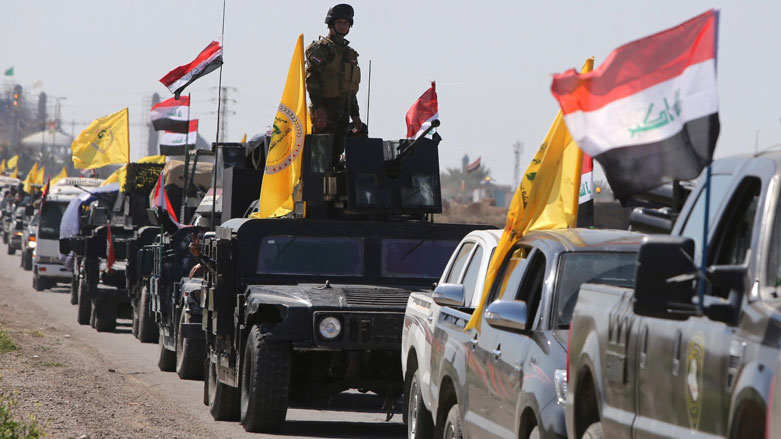
ERBIL, Kurdistan Region (Kurdistan 24) – US-led coalition forces should be ready to remain in Iraq and Syria following the defeat of the Islamic State (IS) to combat remnants of the militant group and stave off the influence of Iranian militias in the region, according to the anti-IS coalition commander.
Lt. Gen. Paul Funk, the top coalition commander, said it was “essential” US forces remain in the area and “prepare for a long-term commitment” according to Sky News Arabia.
He attributed the need to maintain a military presence not just on IS sleeper cells but pointed out the risk of Tehran’s influence growing over the region through its militias.

Officials in the Kurdistan Region and the US have strongly criticized the involvement of Iran and Iranian-backed militias in the latest clashes to damage the progress made against IS in the region.
On Oct. 16, days after US President Donald Trump’s speech on curtailing Iran’s destabilizing role in the Middle East, Iranian-backed Shia Hashd al-Shaabi forces helped Baghdad take control of Kirkuk and other disputed territories.
Last week, US Secretary of State Rex Tillerson called on Iranian militias to leave Iraq and allow for Iraqis to rebuild. In response to its American ally, Iraqi Prime Minister Haider al-Abadi told the top diplomat “no one has the right to interfere in Iraqi matters.”
Baghdad also rejected the Kurdistan Regional Government’s (KRG) offer to freeze the results of the Sep. 25 independence referendum to allow for dialogue to begin during Abadi’s visit to Tehran.
Since then, Iran’s Supreme Leader Ayatollah Khamenei praised the Popular Mobilization Forces (PMF), also known as the Hashd al-Shaabi, for their involvement in the fight against “terrorists and their supporters,” calling them the “secret” for Iraq’s recent victories.
A source also told al-Jarida, a Kuwaiti newspaper, that Khamenei personally asked the Iraqi PM not to dissolve the Shia militias.
Tehran has also warned throughout the past years it had thousands of fighters ready to fight in Syria alongside the Lebanese Hezbollah.
The US-led coalition has called for dialogue and for military operations that are not against IS to stop. They also welcomed the latest ceasefire between Kurdish Peshmerga and Iraqi forces.
“I think we need to structure ourselves to be prepared for a long-term commitment to building partner capacity in this area,” Funk told USA Today.
James Jeffrey, a former US ambassador to Iraq, added that a long-term US presence in Iraq would check Iranian influence in Iraq, which many consider sectarian, and improve the Iraqi army’s capacity to prevent IS from reviving.
Editing by Karzan Sulaivany