Iraq reports near-record 81 coronavirus cases in one day, as infections near 2,000
Thirty-nine of the new cases were detected in Basra province, which has seen increased rates of infections since last week.
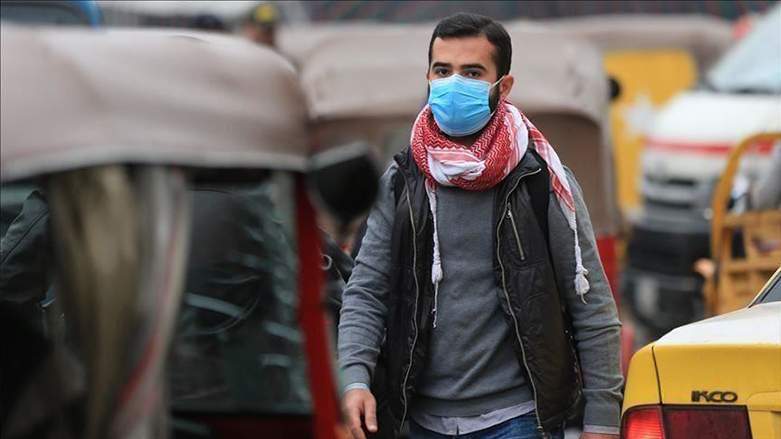
ERBIL (Kurdistan 24) – The Iraqi Health Ministry on Tuesday said it had recorded 81 new cases of COVID-19 across the country over the past 24 hours, with the total number of infections nearing 2,000 and deaths hitting 90.
Most of the new cases, 39, were detected in Basra province, which has seen increased transmissions since last week, a ministry statement said. Fearing the disease would spiral out of control, local authorities have tightened a curfew in place to contain the virus, as the rest of the country eased restrictions.
Read More: Basra tightens curfew as virus cases rise; other Iraqi provinces ease restrictions
Health authorities recorded 17 new infections in Baghdad city, by far holding the highest number of confirmed cases in the country at 384, the statement noted. These figures – especially in the near eight-million resident capital – may be significantly higher as, among other reasons, testing capabilities are limited.
The health ministry also said there had been two deaths due to coronavirus-related complications. The total number of cases now stands at 1,928, including 1,319 recoveries and 90 deaths.
One of the latest deaths was in Erbil, where the regional health ministry reported 11 new cases on Monday. The ministry said in a statement that the new cases consisted of four men, four women, and three children, 10 of whom are residents of Erbil’s district of Soran.
This brings the number of confirmed cases of COVID-19 in the Kurdistan Region to a total of 366, including five deaths and 322 recoveries.
Read More: Kurdistan announces uptick of 11 new COVID-19 cases, first death in Erbil
The disease was first reported by Chinese authorities in late 2019 and has since spread to over 180 countries worldwide. It has infected over 3.1 million people to date and killed more than 218,000, according to government-reported data compiled by Johns Hopkins University.
The actual figures could be dramatically higher due to insufficient testing capabilities or underreporting, particularly in countries that have weak health systems.
Editing by Karzan Sulaivany