“Non-Negotiable”: Iran Draws Red Line on Uranium Enrichment Before U.S. Talks
“Enrichment capability is one of the honors and achievements of the Iranian nation,” Araghchi said in a video message before leaving for Muscat, where the fourth round of bilateral talks is set to begin.
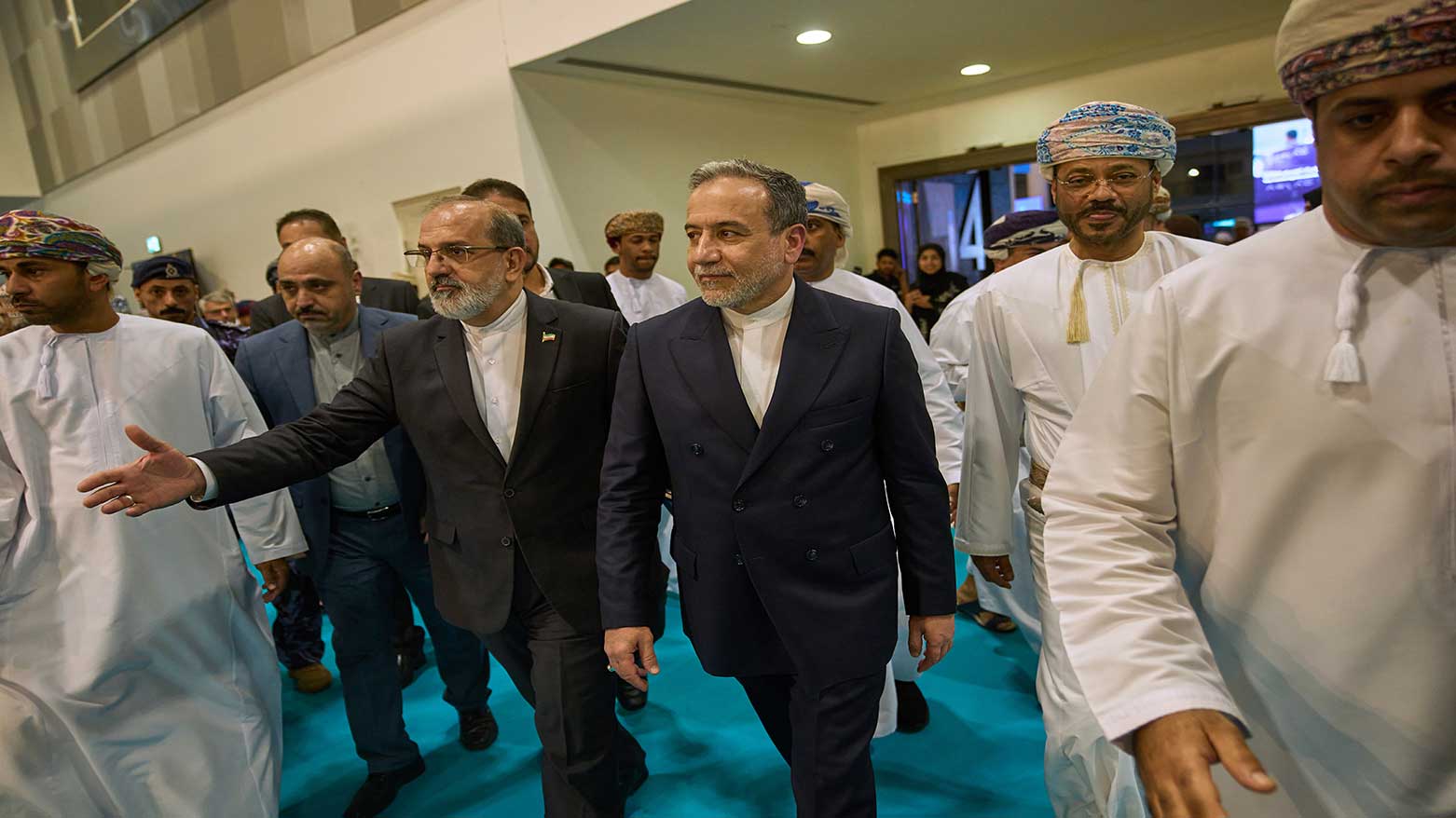
ERBIL (Kurdistan24) — Iran’s Foreign Minister Abbas Araghchi on Sunday reaffirmed Tehran’s unwavering stance on its uranium enrichment program, declaring the issue "non-negotiable" just hours before departing for a new round of nuclear negotiations with the United States in Oman, according to AFP.
“Enrichment capability is one of the honors and achievements of the Iranian nation,” Araghchi said in a video message before leaving for Muscat, where the fourth round of bilateral talks is set to begin. “This issue is non-negotiable,” he asserted, underscoring Iran’s insistence on maintaining its sovereign right to develop nuclear energy for peaceful purposes.
The senior diplomat added that Tehran had held additional consultations Sunday morning and expressed hope the upcoming talks would reach a “decisive point.”
The talks in Muscat are part of ongoing efforts to resolve longstanding tensions between Iran and the U.S. over Iran’s nuclear ambitions, which the West fears could lead to weaponization — a claim Tehran denies.
Foreign Ministry spokesman Esmaeil Baqaei said the Iranian delegation will prioritize securing relief from economic sanctions and defending the country’s right to peaceful nuclear technology. “The delegation will spare no effort to protect the Iranian nation's interests and safeguard our precious achievements in the field of peaceful nuclear energy, while simultaneously lifting the sanctions,” Baqaei stated.
He also noted that a technical team is already stationed in Muscat to provide expert support during the talks, which are scheduled to begin around midday.
Iran’s nuclear program has long been a flashpoint in international diplomacy. While Iran insists its nuclear activities are solely for civilian purposes, its enrichment of uranium — particularly at higher purity levels — has raised alarms in Washington and among European powers.
The 2015 Joint Comprehensive Plan of Action (JCPOA), under which Iran agreed to limit its nuclear activities in exchange for sanctions relief, collapsed after the U.S. unilaterally withdrew in 2018 under then-President Donald Trump. Since then, efforts to revive the deal have stalled repeatedly, with mutual mistrust and geopolitical developments complicating the path forward.
As the Muscat talks unfold, the world will be watching closely to see whether this latest round marks a turning point — or another missed opportunity.