Iraqi Journalist Slams Baghdad for Withholding Salaries from Kurdistan: “This Is a Grave Mistake”
Salim highlighted that denying people access to their salaries and basic food supplies is not only a political error but also a violation of humanitarian principles and government responsibility. “This must stop immediately,” he urged.
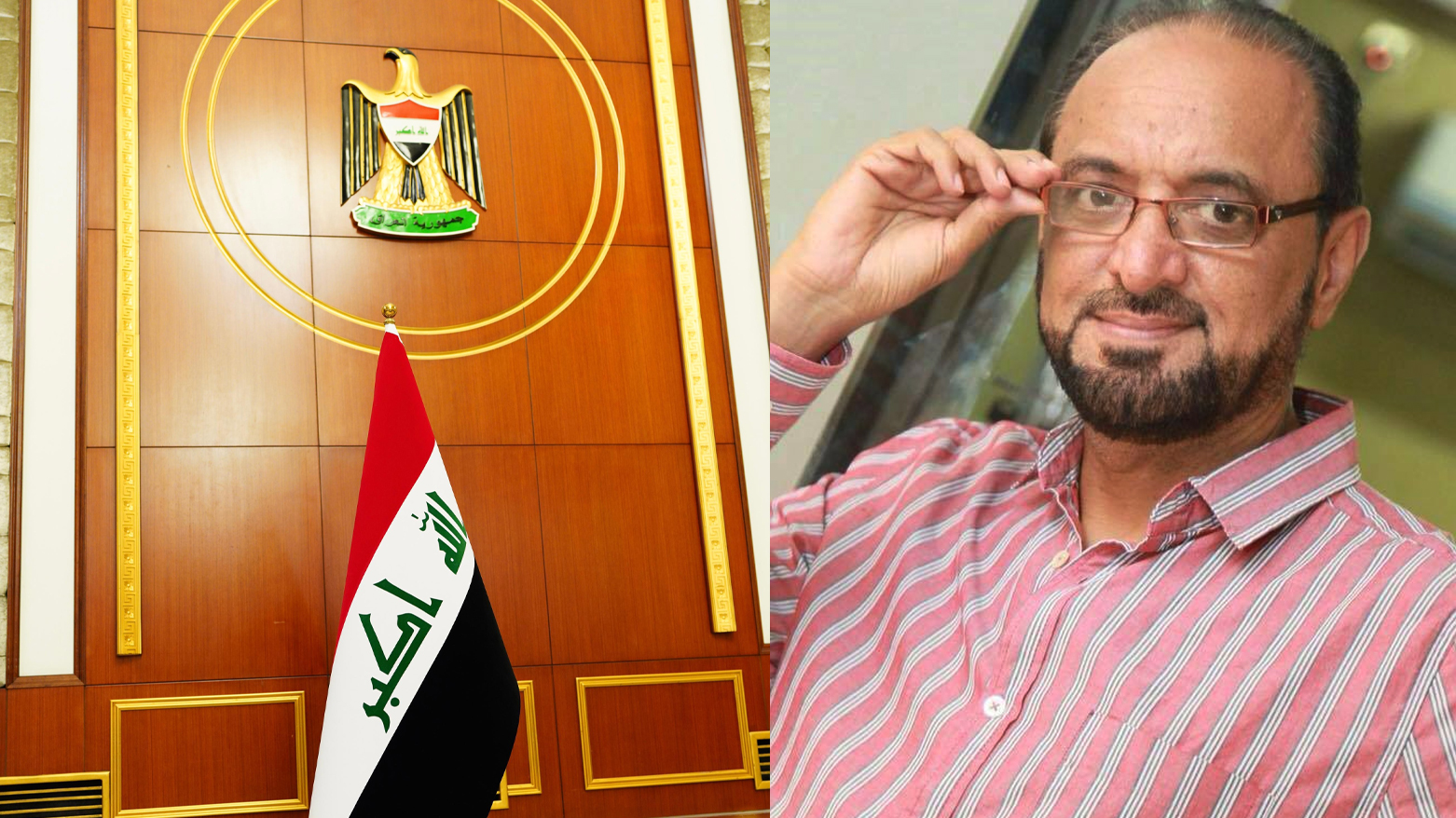
ERBIL (Kurdistan24) — Renowned Iraqi journalist Majid Salim has strongly criticized the Iraqi federal government’s ongoing policy of withholding salaries from public employees in the Kurdistan Region, describing it as a "grave mistake" that unfairly targets innocent civilians and deepens political divides.
In a recently released video message, Salim addressed federal authorities and the Ministry of Finance in Baghdad, stating unequivocally that “cutting salaries of Kurdish citizens is a wrong and unjust policy.” He warned that merging the livelihood of ordinary people with political disputes is both immoral and harmful.
“Let me be clear,” Salim said in the video. “No one but the people suffers from this policy. Children, civil servants, and the elderly are not to blame for political disagreements.”
He emphasized that punishing the Kurdish population for ongoing political tensions between Erbil and Baghdad is unacceptable. “Starving your Kurdish brothers is a policy doomed to fail,” he declared, adding that this approach does nothing but increase the suffering of innocent civilians.
Salim also highlighted that denying people access to their salaries and basic food supplies is not only a political error but also a violation of humanitarian principles and government responsibility. “This must stop immediately,” he urged, calling on the federal government to restore payment flows to the Kurdistan Region without delay.
This is not the first time the journalist has spoken out. In a previous interview with Kurdistan24, Salim accused the Iraqi government of practicing systemic discrimination against Kurds. He noted that while reconstruction and infrastructure in the Kurdistan Region have progressed significantly, much of southern and central Iraq remains in ruins with minimal public services.
Despite acknowledging the existence of disputes between the Kurdistan Regional Government (KRG) and the federal government, Salim insisted that such political tensions should not come at the expense of public sector workers. “These civil servants have the right to be paid on time. They are not responsible for political negotiations or conflicts,” he said.
This comes after Iraq’s Minister of Finance, Taif Sami, issued an official letter last week warning that the KRG’s salary payments will be suspended.
Salim’s message resonates with growing public anger in the Kurdistan Region, where delayed or unpaid salaries by Baghdad have become a recurring issue. Many see Baghdad’s tactics as politically motivated and in violation of the constitutional rights of the Kurdish people.