Cannes Festival Spotlight Turns to Iran After Farhadi's Remarks
Oscar-winning Iranian filmmaker Asghar Farhadi used the Cannes Film Festival to condemn both civilian deaths from recent strikes on Iran and the deadly suppression of domestic protesters, calling all forms of killing "crimes" amid mounting regional conflict and internal unrest.
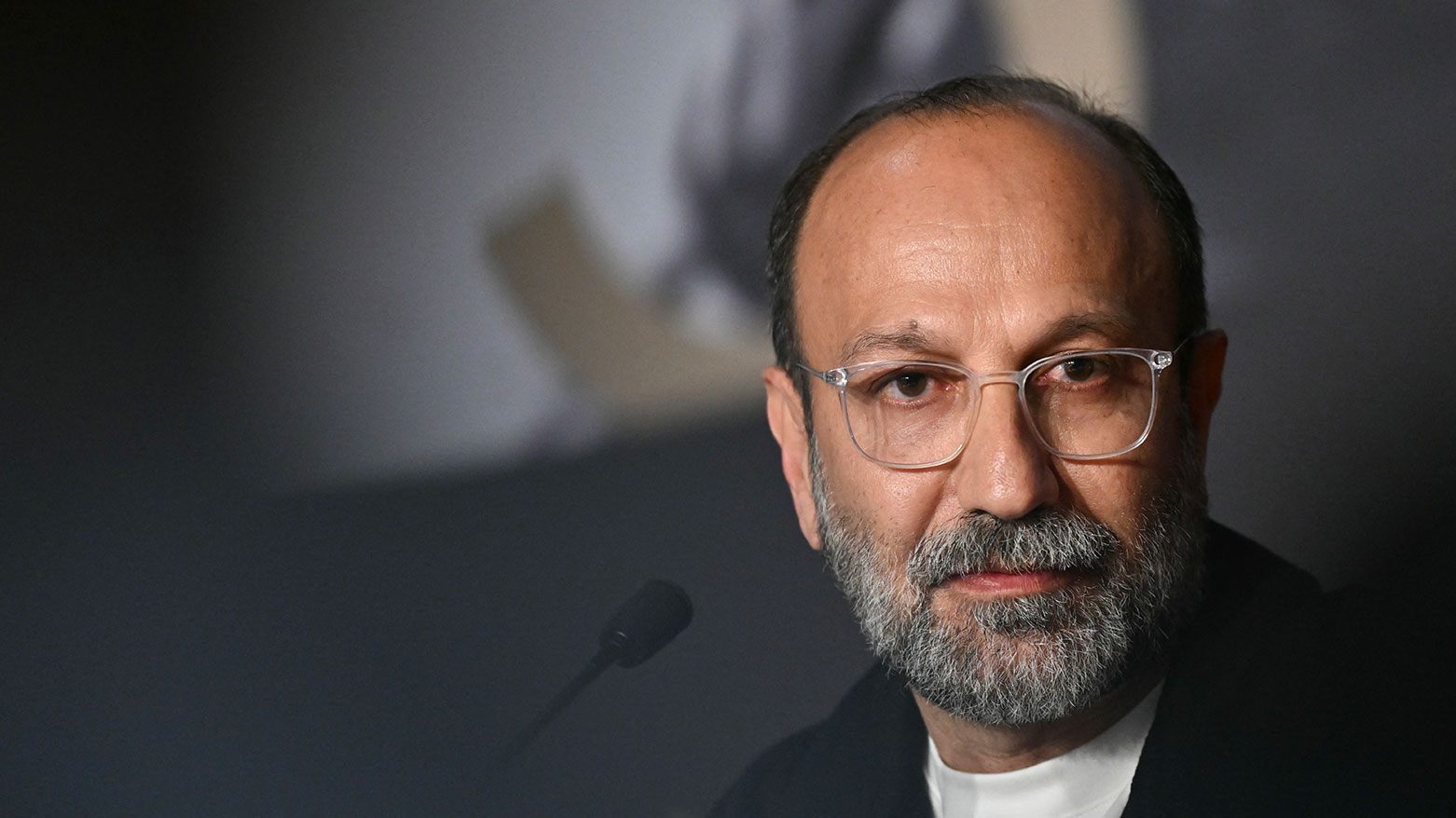
ERBIL (Kurdistan24) - Agence France-Presse reported on Friday that acclaimed Iranian director Asghar Farhadi publicly denounced the loss of civilian life resulting from recent international strikes on Iran, as well as the lethal crackdown on domestic demonstrators by state authorities.
The remarks, delivered during the Cannes Film Festival in France, drew global attention as the filmmaker utilized a major international platform to address the overlapping crises impacting his homeland.
As a globally recognized artist holding two Academy Awards, Farhadi's public commentary underscores the complex role of cultural figures operating amid geopolitical turmoil.
According to the AFP report, his statements highlight the delicate balance Iranian creators must maintain when speaking out on the region's intense military conflicts, internal civil unrest, and the severe political pressures shaping international discourse.
Farhadi Speaks Out
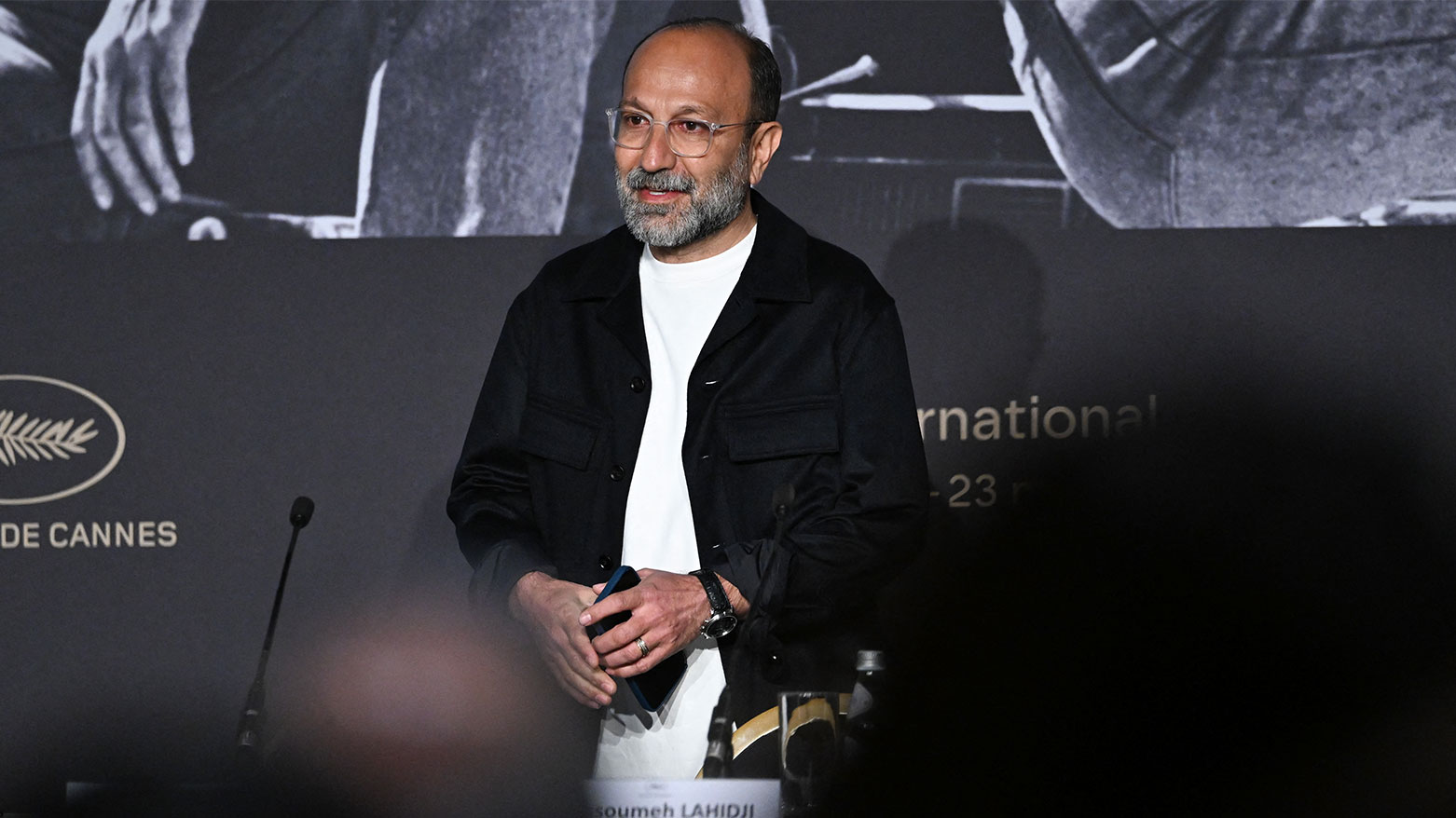
According to Agence France-Presse, the director traveled from Tehran to attend the premiere of his latest French-language movie, "Parallel Tales."
During the festival, Farhadi addressed reporters, pointing to a pair of distinct tragedies that have recently struck Iran. The AFP report noted that he specifically condemned the deaths of children and non-combatants during the recent military attacks sustained by the country.
Furthermore, the Iranian filmmaker stated that prior to the outbreak of international hostilities, innocent citizens who took to the streets to demonstrate were subjected to mass killings.
Farhadi emphasized that taking a human life cannot be justified under any circumstances, categorizing executions, war casualties, and the killing of protesters equally as crimes, according to the AFP dispatch.

Regional and Domestic Context
The director's comments arrive against the backdrop of severe regional instability.
AFP reported that Iran has been engaged in a direct military conflict with the United States and Israel since late February, though a fragile ceasefire has been in place since early April.
Concurrently, the state has reportedly increased its use of capital punishment, particularly for individuals facing security and espionage-related convictions.
Domestically, the nation experienced massive anti-government demonstrations that reached their apex in January.
According to the AFP report, Iranian authorities have officially recognized over 3,000 fatalities connected to the unrest, attributing the violence to foreign-backed terrorism orchestrated by Washington and Israel.
Conversely, external human rights organizations and researchers estimate the death toll from security force interventions to be significantly higher, ranging between 7,000 and 35,000, AFP noted.
Cultural Figures and Censorship
The environment for artistic expression in Iran remains highly restricted. Agence France-Presse detailed that filmmakers operate under intense state pressure and rigid censorship guidelines.
The report highlighted that several of Farhadi's prominent contemporaries, including Mohammad Rasoulof and last year's top Cannes winner Jafar Panahi, have faced imprisonment or forced exile due to their work and public stances.
Farhadi, widely recognized for his Oscar-winning films "A Separation" and "The Salesman," presented his new project at the festival amidst these ongoing political shadows.
AFP noted that "Parallel Tales," which features an all-star French cast and explores themes of art in Paris, encountered a lukewarm critical reception following its debut, with industry publications describing the narrative as convoluted and muddled.
Farhadi's public commentary contributes to ongoing international discussions regarding the responsibility of artists to address regional conflicts and domestic violence.