Iran Faces Massive Travel Disruptions Following 12-Day Conflict with Israel
The aftermath of a recent "12-Day War" has plunged Iran's travel sector into turmoil, with thousands of passports stuck in closed embassies, massive financial losses, and a 53% drop in foreign tourism, according to Iran's official news agency.
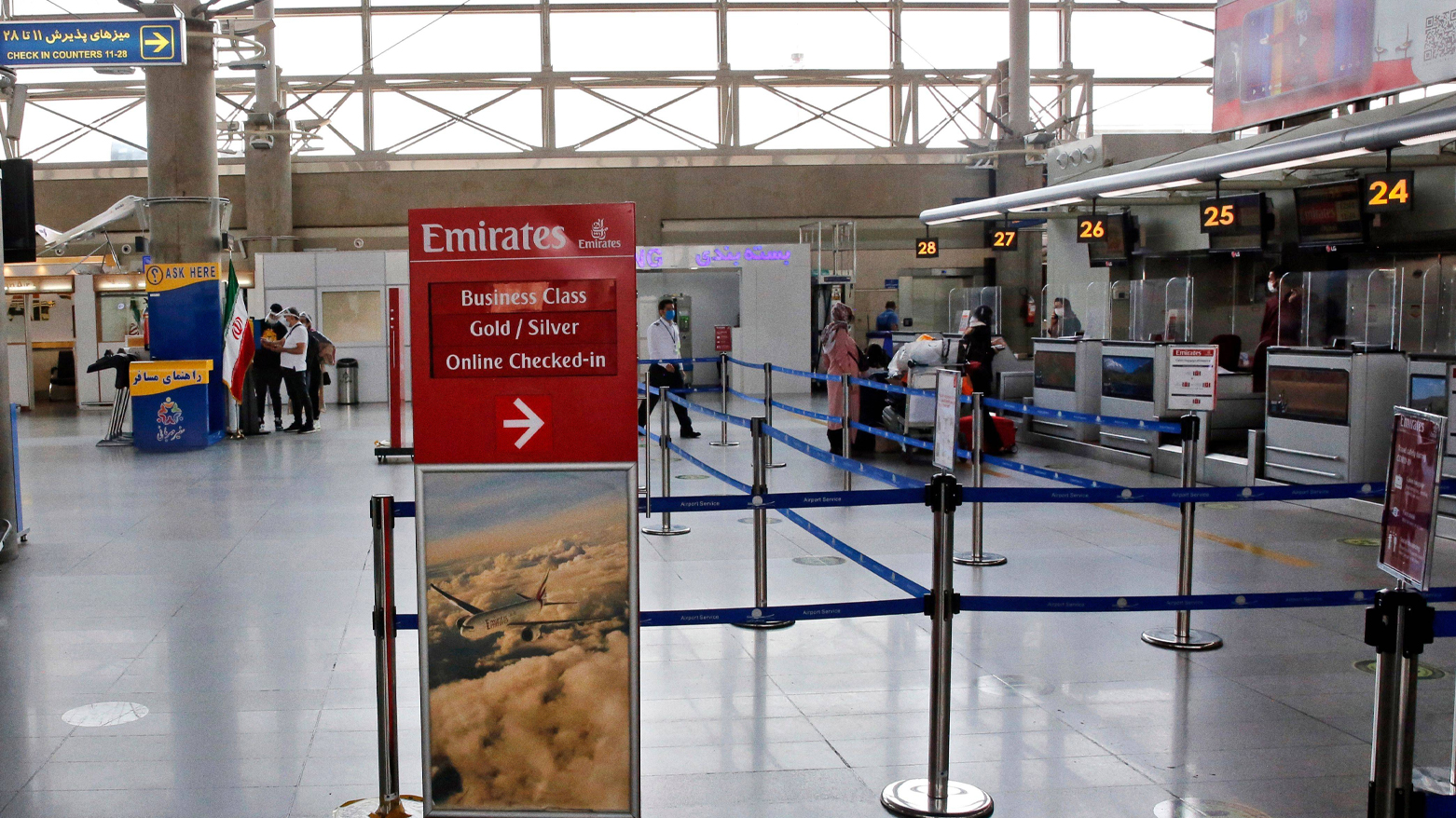
ERBIL (Kurdistan24) – A crippling combination of diplomatic paralysis and financial turmoil has engulfed Iran’s travel and tourism sector in the wake of a recent conflict, leaving thousands of citizens with passports trapped in closed embassies, airlines and hotels owing massive debts, and the country's inbound tourism industry in a state of collapse, according to Iran's official news agency, IRNA.
The fallout from what IRNA described as the "12-day aggression by the Zionist regime" has extended far beyond the immediate security concerns.
According to a report from an IRNA correspondent, the closure of several European embassies has left thousands of Iranian nationals in limbo.
Omid Mohammad Alikhan, a member of the Association of Travel Service Offices of Iran, told the news agency that the passports of three to four thousand people who had applied for visas are now inaccessible, held within the shuttered diplomatic missions.
This has created acute problems for students and athletes who face strict deadlines to be in their countries of study or competition. Alikhan further estimated that between 40,000 and 50,000 people have had their visa appointments suspended, leaving them uncertain of their next steps as embassies for countries like Germany, France, Switzerland, and Spain have halted or limited their consular services.
The financial repercussions have been equally severe.
Hormatollah Rafiei, the head of the Association of Air and Tourist Travel Agencies of Iran, stated in an interview with IRNA that over 250 international flights were canceled during the two-week period, impacting more than 30,000 travelers.
This has resulted in airlines and accommodation providers owing passengers over 600 billion Tomans (approx. 14.3 million USD).
Rafiei explained that travel agencies are caught in the middle, having been directed by the government to issue refunds but unable to do so until they are reimbursed by the airlines and hotels. He reported that Iran's travel service offices have suffered losses exceeding 2 trillion Tomans (approx. 47.6 million USD) and disputed claims by airlines that they had already returned 80% of the owed funds, stating "which has not happened."
The crisis has also devastated Iran's efforts to attract foreign visitors.
Anoushirvan Mohseni Bandpey, the Deputy Minister of Cultural Heritage, Tourism, and Handicrafts, acknowledged to an IRNA correspondent that new tourist visas are currently not being issued for most European countries, a situation he related to the policies of Iran's Ministry of Foreign Affairs.
He revealed that over 330,000 foreign tourists traveled to Iran this July, a stark figure that represents a 53% decrease compared to the same period last year.
The Deputy Minister attributed this sharp decline to the "12-day war" and what he termed extensive "Iranophobic" propaganda, admitting that returning to previous conditions will be "time-consuming" and require significant trust-building efforts. While travel between Iran and Asian countries like Russia and China continues, the ministry's focus has shifted to religious and cultural tourism within the region to revive the struggling sector.