Iraq Watchdog Seeks Urgent Ministerial Inspection of Al-Rashad Psychiatric Hospital
Iraq Center for Human Rights urges the Health Minister to visit Al-Rashad Hospital, citing poor conditions violating patients' rights and dignity.
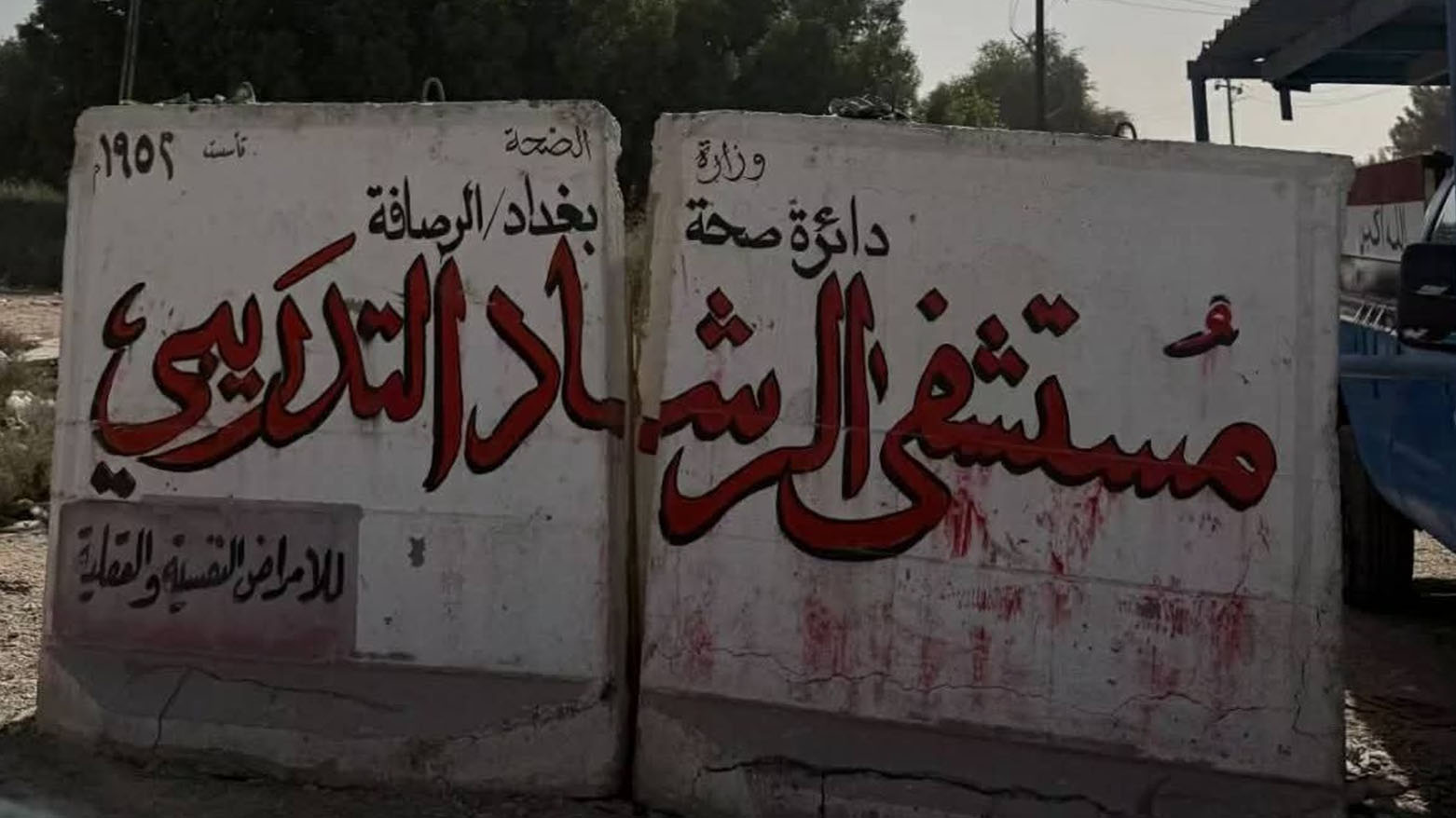
ERBIL (Kurdistan24) – The Iraq Center for Human Rights has issued an urgent and public plea to the Iraqi Minister of Health, demanding an immediate personal inspection of Al-Rashad Hospital, the country's largest psychiatric facility, to address what it describes as a critical failure in patient care and human dignity.
The call, issued on Tuesday, highlights growing concerns that the conditions within the hospital, formerly known as Al-Shammaiya, have deteriorated to a point where they are "not consistent with the principles of human rights nor with the constitutional guarantees related to a dignified life."
Ali Al-Abadi, the head of the Iraq Center for Human Rights, released a stark statement emphasizing the humanity of those residing within the facility’s walls. "The male and female patients in this hospital are human beings like us, and they have rights that should not be overlooked," Al-Abadi asserted.
His comments underscore a deep-seated worry that the psychiatric population is being marginalized and neglected by the state. Al-Abadi urged the Ministry of Health to take immediate, concrete measures to improve the therapeutic environment and ensure that patient rights are respected in accordance with international medical and humanitarian standards.
The urgency of this appeal is set against a backdrop of a severe and widening mental health crisis across Iraq.
Al-Rashad Hospital, located in Baghdad, is a long-stay residential facility that has historically struggled with overcrowding and a lack of resources. According to a United Nations report, the hospital, which consists of 24 wards, has a capacity of 1,200 beds but has been accommodating more than 1,440 patients.
Dr. Ali Rasheed Al-Rikabi, the hospital manager, has previously noted that for many, admission to Al-Rashad is effectively a life sentence; aside from those in the forensic unit, most patients are never discharged, leading to a stagnant population that cannot reintegrate into society even when clinically recuperated.
The situation at Al-Rashad is emblematic of a broader collapse in mental health infrastructure throughout the country.
In southern Iraq, particularly in Dhi Qar province, the shortage of care is catastrophic. Kurdistan24 reported just months ago that the province, home to nearly two million people, is served by only four psychiatrists.
Abdul Hassan Niazi, head of the Dhi Qar Doctors' Syndicate, described the situation as "severely inadequate," noting that very few medical graduates choose to specialize in psychiatry. This lack of specialists has left thousands without care in a region grappling with surging suicide rates and drug addiction among its youth.
The mental health emergency is not limited to specific provinces but is a national phenomenon driven by decades of conflict, economic instability, and social trauma.
Recent statistics have shown a disturbing rise in suicide rates across the country.
Data released by the Nineveh Police Department indicated 74 suicide cases in that province alone within a year, while nationwide figures documented 300 suicides in the first six months of 2024. Experts attribute this surge to "overwhelming mental fatigue" caused by relentless social, financial, and political crises.
The Iraq Center for Human Rights' demand for ministerial intervention at Al-Rashad aligns with recommendations from the World Health Organization (WHO), which has advocated for a shift from institutionalization to community-based mental health services.
The current model, where patients like 62-year-old "Mr. Karim" spend nearly 40 years in a hospital despite being clinically stable, is unsustainable and inhumane.
The lack of community support systems and housing means that many individuals remain locked away simply because they have nowhere else to go.
By calling for the Minister of Health to visit Al-Rashad, the Center hopes to shine a spotlight on these "forgotten" citizens and force a reckoning with the state's obligation to provide not just medical treatment, but a path to dignity and reintegration.
As Al-Abadi stressed, the current reality is a violation of constitutional rights that can no longer be ignored in a country struggling to heal its deep psychological wounds.