Prime Minister Allocates 5.1 Billion Dinars for Medical Equipment in Duhok Hospitals
The allocation of 5.1 billion dinars for three medical devices in Duhok was confirmed in official documents and announced Monday by the Duhok General Directorate of Health.
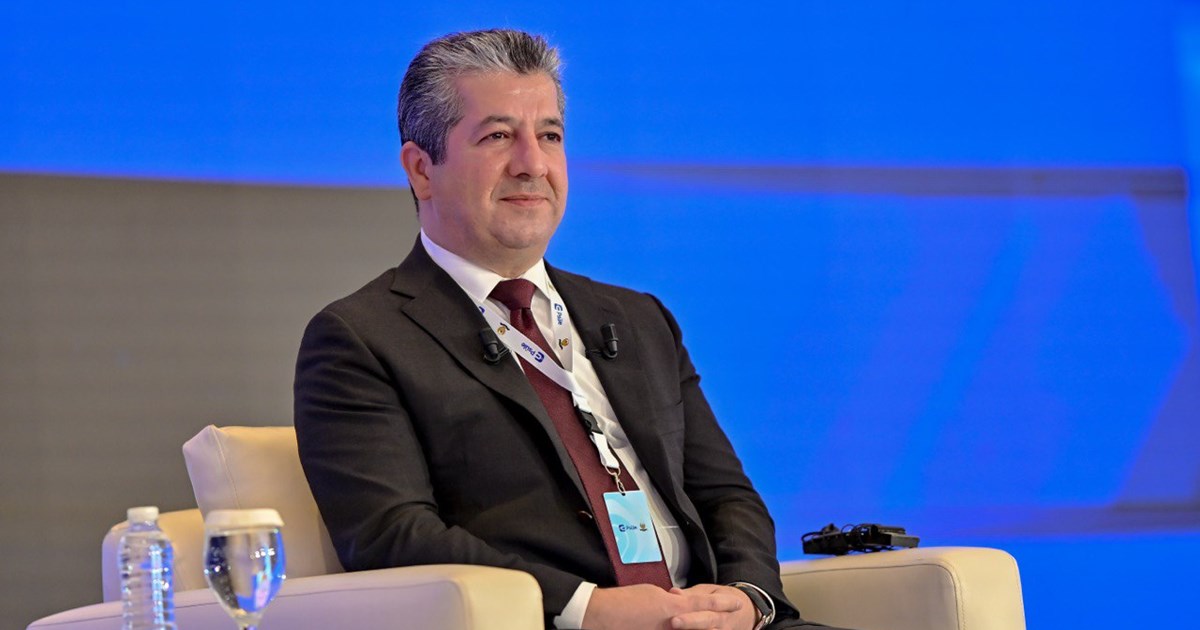
ERBIL (Kurdistan24) - Prime Minister Masrour Barzani has allocated 5 billion 100 million Iraqi dinars to provide three advanced medical devices for hospitals in Duhok province, according to a statement issued Monday by the Duhok General Directorate of Health.
The directorate said the allocation was made by instruction of the Prime Minister of the Kurdistan Regional Government and that the devices have been secured for the Duhok health sector. The statement, released February 23, 2026, described the equipment as strategic additions intended to enhance medical services in the province.
According to two official documents signed by Dr. Omed Sabah, President of the Diwan of the Council of Ministers, the expenditures and distribution of the devices have been formally approved and clarified.
The documents indicate that 2 billion 600 million dinars have been allocated for the purchase of two kidney stone lithotripsy machines. The devices are designated for the Kidney Disease Center operating under the Duhok General Directorate of Health.
In addition, 2 billion 500 million dinars have been allocated to procure a Magnetic Resonance Imaging device (MRI 1.5T) for Azadi Teaching Hospital in Duhok. The statement specifies that the funds for the three devices will be drawn from the 2025 budget of the Duhok General Directorate of Health.
The Duhok Health Directorate stated that the arrival and operation of the new equipment will contribute to improving the level of medical and health services within the province. According to the statement, the devices are expected to facilitate patient treatment and enhance service capacity in public hospitals.
The directorate said that the addition of the lithotripsy machines will support the treatment of kidney stone patients at the Kidney Disease Center, while the MRI 1.5T machine will expand diagnostic capabilities at Azadi Teaching Hospital.
The announcement comes as part of broader health sector priorities outlined by the ninth cabinet of the Kurdistan Regional Government. According to the statement, the cabinet has placed special emphasis on strengthening public health services by renovating hospitals and providing advanced medical equipment.
The objective of these measures, as described in the statement, is to reduce the burden on citizens by expanding services within the government sector. The Duhok Health Directorate stated that strengthening public hospitals aims to reduce reliance on private hospitals and limit the need for patients to travel abroad for medical care.
Duhok province has faced sustained pressure on its health infrastructure due to the presence of a large number of internally displaced persons (IDPs) and refugees residing in camps within its borders. The statement noted that the demand for medical services has increased in recent years as a result.
According to the Duhok Health Directorate, providing the three new devices will help alleviate some of that pressure by increasing treatment capacity and shortening waiting times for patients seeking care.
The official documents signed by Dr. Omed Sabah detail the financial breakdown of the allocation. The 2.6 billion dinars designated for the two lithotripsy machines represent the largest single portion of the allocation. These machines are used for non-invasive treatment of kidney stones through shock wave therapy.
The remaining 2.5 billion dinars have been allocated for the MRI 1.5T machine. Magnetic Resonance Imaging devices are used to produce detailed internal images for diagnostic purposes. The 1.5 Tesla specification refers to the strength of the magnetic field, which determines imaging clarity and diagnostic capacity.
The statement did not specify a delivery timeline but indicated that the devices have been secured. It further stated that once operational, the equipment will enhance the ability of public hospitals in Duhok to provide specialized services.
The Kidney Disease Center under the Duhok General Directorate of Health currently serves patients from across the province. The addition of two lithotripsy machines is intended to increase service availability and reduce procedural backlogs.
Azadi Teaching Hospital, one of the principal public hospitals in Duhok, is expected to integrate the MRI 1.5T machine into its diagnostic departments. According to the statement, the new imaging device will strengthen diagnostic services and support clinical decision-making.
The Duhok Health Directorate emphasized that the funding was allocated through formal administrative procedures and approved in official documentation. The documents signed by the President of the Diwan of the Council of Ministers outline both the financial allocation and the designated beneficiary institutions.
The ninth cabinet of the Kurdistan Regional Government has identified improvements in healthcare delivery as a policy priority. According to the statement, this includes modernization of hospital infrastructure and procurement of advanced medical technology.
The directorate stated that expanding public sector capacity is intended to reduce the financial and logistical burden on residents. By improving service quality within the province, authorities aim to limit the need for patients to seek treatment in private facilities or outside the country.
The presence of IDPs and refugees in Duhok has created additional strain on healthcare resources, the statement said. Camps within the province require sustained medical support, contributing to higher patient volumes in public hospitals.
Officials said that increasing diagnostic and treatment capacity through the acquisition of new devices will help manage patient demand more effectively. Shorter waiting times and expanded treatment options were cited as expected outcomes once the equipment becomes operational.
The statement did not provide details on installation timelines or training programs but emphasized that the equipment represents a strategic investment in the province’s health sector.
Prime Minister Masrour Barzani’s instruction to allocate funds for the devices was described as part of ongoing efforts to improve essential public services. The Duhok Health Directorate characterized the move as a step toward enhancing healthcare standards within the province.