Iraq’s Top Cleric Rebuffs Request for Input on Nine PM Contenders
Ayatollah Sistani refused a request from the Coordination Framework to review nine PM candidates, stating "it is not my job" and rests with politicians.
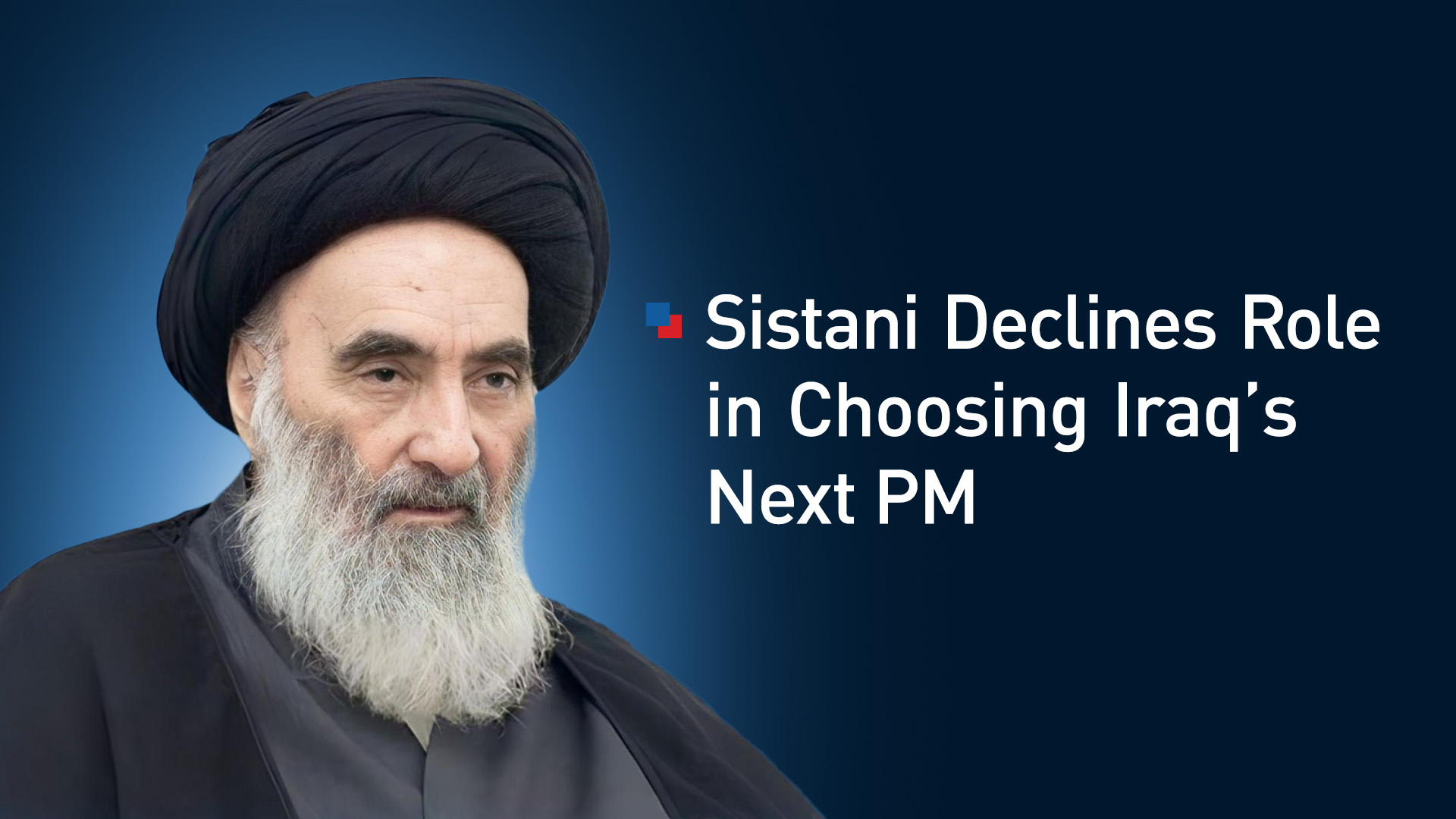
ERBIL (Kurdistan24) – In a decisive move that reasserts the boundaries between religious authority and political maneuvering in Baghdad, Grand Ayatollah Ali al-Sistani has categorically refused to intervene in the selection of Iraq’s next prime minister, rebuffing direct overtures from the country’s powerful Shiite ruling coalition.
The rejection, communicated through intermediaries to the Coordination Framework, underscores the Supreme Marja’s insistence that the formation of the executive government remains the sole prerogative and burden of the nation’s political class, rather than a duty of the religious establishment.
The rebuff came after the Coordination Framework, the constellation of Shiite parties that dominates the current political landscape, attempted to solicit the Grand Ayatollah’s endorsement for a roster of potential candidates.
According to Raed al-Maliki, a member of the Iraqi Council of Representatives’ fifth term, the coalition had meticulously prepared a list containing the names of nine contenders vying for the premiership.
Seeking to break the political impasse or perhaps secure a spiritual mandate that would insulate their choice from public criticism, the bloc utilized a network of political and religious intermediaries to convey a message to the Supreme Marja’ in Najaf, hoping to elicit his opinion on the proposed figures.
However, the response from the reclusive cleric was unequivocal. Information obtained regarding the exchange indicates that the Religious Authority, known as the Marja'iyya, rejected the request outright, signaling a firm desire to remain detached from the horse-trading inherent in determining Iraq’s future leadership.
Raed al-Maliki confirmed that Sistani emphasized that the duty of selecting the new head of the Iraqi government pertains strictly to the political parties. "It is not my job," Sistani reportedly declared, drawing a sharp line that places the onus of governance and the consequences of leadership selection squarely on the shoulders of the politicians themselves.
By stating he will not interfere, Sistani has effectively denied the political elite the religious cover they sought, forcing them to rely on their own mechanisms to produce a viable candidate.
This high-level rejection unfolds against the backdrop of intensified political activity within the Coordination Framework as it scrambles to solidify a consensus on leadership.
The coalition convened its regular meeting, numbered 251, on Monday, November 24, 2025, hosted at the office of key leader Hadi al-Amiri.
The gathering was not merely procedural but marked a critical juncture in the government formation process, characterized by deep and detailed discussions regarding the path forward.
Inside the meeting at al-Amiri’s office, the coalition’s leadership engaged in exhaustive deliberations regarding the fundamental principles that should govern the post of Prime Minister. The discourse pivoted toward establishing a rigorous set of national criteria to guide the selection process.
Leaders present at the meeting underscored that the nomination must rely on clear standards that prioritize competence, personal integrity, and a demonstrated ability to manage the complexities of the Iraqi state.
The objective, according to the internal deliberations, is to identify a figure capable of confronting the multifaceted challenges likely to define the coming stage of Iraq’s governance.
Furthermore, the discussions focused heavily on the specific mechanism for designating this figure from within the ranks of the Coordination Framework itself. This internal focus suggests that the bloc intends to maintain a tight grip on the executive branch, seeking a candidate who aligns with their strategic vision while meeting the competency requirements necessary to run the administration.
The insistence on "clear national criteria" reflects an acknowledgment within the Framework that the next premier must possess the technical and political acumen to navigate a volatile landscape, even as they attempt to restrict the pool of candidates to their own sphere of influence.
The meeting also served as a review session for the internal vetting infrastructure the coalition has established. Attendees listened to detailed reports presented by two distinct leadership committees formed during a previous session.
These committees have been tasked with the sensitive work of evaluating potential candidates against the agreed-upon standards of governance. It was decided during the meeting that these bodies would continue their work, further refining the list of options and discussing national entitlements.
This continuation of committee work indicates that while a list of nine names has been generated, the final decision remains fluid and subject to ongoing negotiation and assessment.
The attempt to involve Najaf in this strictly political process highlights the anxieties within the political class regarding the legitimacy and acceptance of the next prime minister.
In the complex tapestry of Iraqi politics, an endorsement—or even a nod of approval—from Sistani is often viewed as the ultimate seal of legitimacy, capable of silencing dissent and unifying a fractured street.
By seeking his input on the nine candidates, the Coordination Framework likely hoped to shortcut the difficult process of consensus-building and present a candidate who was already "pre-approved" by the highest moral authority in the land.
Sistani’s refusal, however, disrupts this calculation. By declaring that the selection is not his job, the Grand Ayatollah has reinforced the concept of a civil state where political accountability lies with elected officials and party leaders.
The move serves as a reminder to the Coordination Framework that they cannot outsource difficult decisions to the Marja'iyya. As the leadership committees resume their evaluations and the political brokers return to the negotiating table at Hadi al-Amiri’s office and elsewhere, they do so with the knowledge that they must own their choice completely.
The search for a Prime Minister defined by "competence, integrity, and the ability to manage the state" will proceed, but it will do so without the direct guidance of Najaf, leaving Iraq’s politicians to face the judgment of the public and history alone.