Canberra Escalates Pressure on Kabul with Targeted Sanctions on Taliban Leadership
Australia sanctions top Taliban ministers and the chief justice over human rights abuses, imposing travel bans and asset freezes effective Saturday.
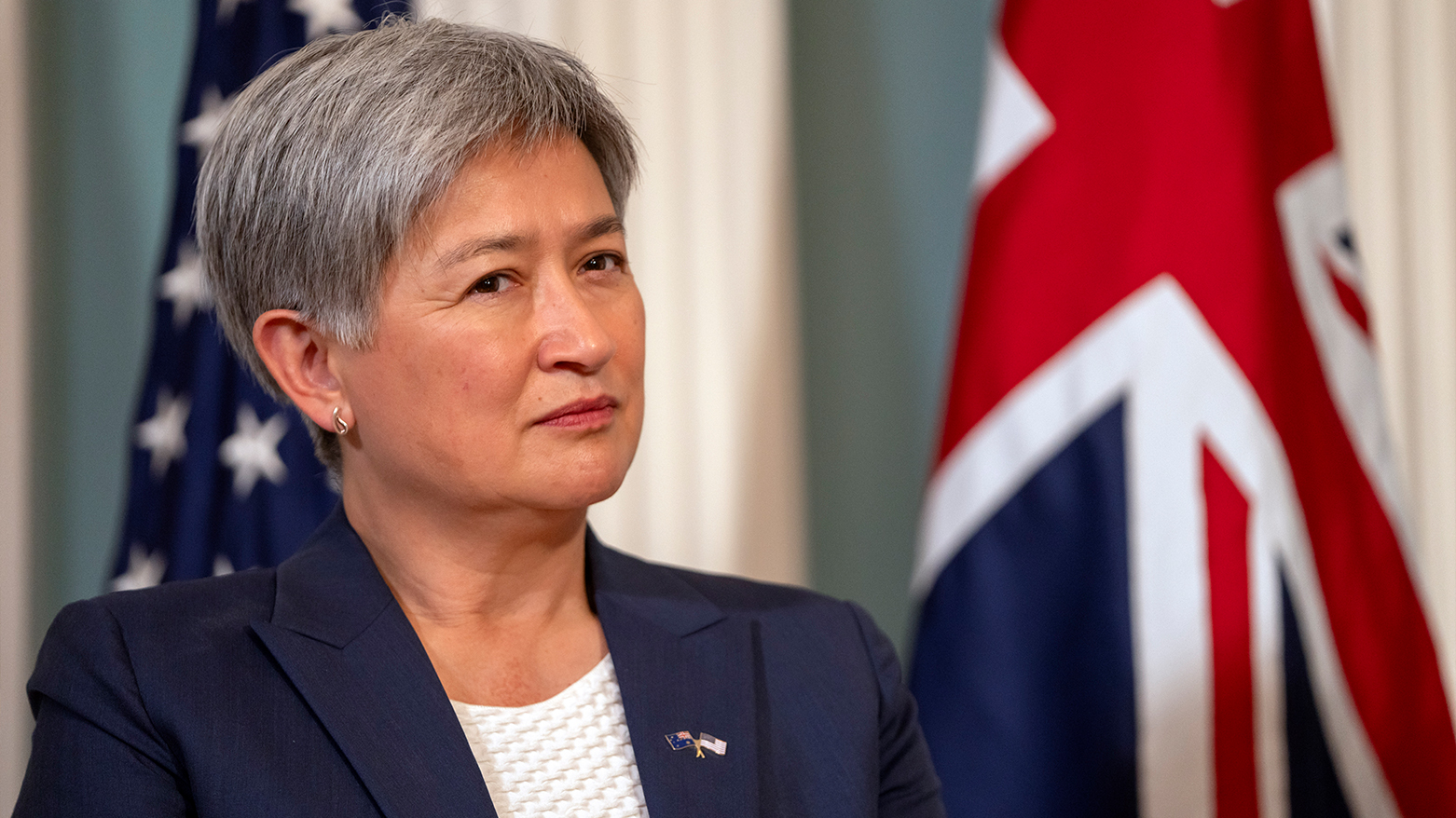
ERBIL (Kurdistan24) – In a decisive recalibration of its diplomatic stance toward Afghanistan's ruling hierarchy, the Australian federal government has moved to impose targeted financial and travel sanctions on senior figures within the Taliban administration, signaling a hardening of Canberra’s position against the group’s systematic dismantling of human rights.
The measures, which officially took effect on Saturday, target three Taliban ministers and the regime’s chief justice, marking a significant escalation in international pressure as Australia seeks to hold the militant group accountable for what Foreign Minister Penny Wong described as a continued demonstration of contempt for the welfare and freedoms of the Afghan people.
The imposition of these sanctions represents a strategic shift by the Australian government, utilizing a newly established legal framework designed specifically to isolate individuals responsible for egregious violations of international norms.
Under the new prohibitions, Australian citizens and entities are henceforth barred from supplying arms or related services to the sanctioned officials. Furthermore, the measures impose a strict freeze on assets, prohibiting any dealing with funds or economic resources owned or controlled by the targeted individuals.
This financial strangulation is intended to sever the personal economic lifelines of the Taliban’s upper echelon, reinforcing Australia's condemnation of the regime's governance trajectory since the fall of Kabul in 2021.
According to the Australian Associated Press (AAP), Foreign Minister Wong framed the decision as a direct response to the Taliban’s oppressive conduct, particularly its draconian restrictions on women and girls.
In a statement underscoring Canberra’s position, Wong asserted that the Taliban continues to demonstrate a profound disregard for the rights and welfare of the population it governs. "The Australian government remains deeply concerned at the deteriorating situation in Afghanistan," Wong stated, emphasizing that the sanctions were a tangible manifestation of that concern.
She extended the government’s sympathies to those suffering under the regime’s oppression, as well as to the Afghan diaspora in Australia who have watched the situation in their homeland unravel with increasing despair.
Central to this new wave of punitive measures is the designation of Afghanistan's chief justice, Abdul Hakim Haqqani. His inclusion in the sanctions list aligns Canberra’s foreign policy with broader international legal movements, specifically those emanating from the International Criminal Court (ICC).
The AAP reports that the ICC has issued an arrest warrant for Haqqani based on allegations of crimes against humanity, specifically citing his role in the persecution of women, girls, and individuals who do not conform to the Taliban’s rigid gender policies.
By sanctioning the chief justice, Australia is effectively endorsing the international legal consensus that the judicial architecture of the Taliban regime has become an instrument of systemic abuse.
This latest round of autonomous sanctions complements an existing regime of international pressure. Australia has previously sanctioned 140 individuals and entities associated with the Taliban under the United Nations Security Council’s framework.
However, the utilization of independent domestic mechanisms to target specific ministers indicates a willingness by the federal government to go beyond multilateral obligations and enact unilateral measures when international consensus proves slow or insufficient.
The government noted that these three officials were the first to be listed under this specific new measure, placing the Taliban in a category of diplomatic pariahs alongside nations such as Iran, Russia, and North Korea, which face similar autonomous sanctions regimes from Canberra.
The context for these measures is a grim human rights landscape that has deteriorated precipitously over the last four years. Citing data from Human Rights Watch, the AAP highlighted that since taking power, the Taliban have deepened their assault on the fundamental rights of women and girls, systematically erasing them from public life.
The regime has concurrently restricted civic space, enforced rigorous censorship, and detained activists who dare to dissent.
The non-profit organization also reported that LGBTQI Afghans have been placed in increasingly desperate and perilous situations, facing persecution that has forced many into hiding or exile. These findings by human rights monitors have provided the evidentiary basis for Western governments to harden their diplomatic posture.
Despite the severance of diplomatic pleasantries and the imposition of economic penalties on the leadership, Australia has sought to maintain a distinction between the Taliban regime and the Afghan populace. The federal government emphasized its continued commitment to humanitarian aid, revealing that it has provided more than $260 million in assistance to Afghanistan since 2021.
In addition to this substantial sum, another $50 million has been allocated to support the basic needs of the Afghan people, who face economic collapse and food insecurity. This dual-track approach—sanctioning the rulers while feeding the ruled—reflects the complex diplomatic tightrope that nations must walk when dealing with a regime that controls a humanitarian disaster zone.
As the sanctions take effect, they serve as a stark reminder that the international community has not normalized relations with the Taliban.
By targeting the architects of the regime’s judicial and ministerial policies, Australia is sending a clear message that the erosion of the rule of law and the institutionalized oppression of women will result in isolation and financial penalty.
While the immediate impact on the ground in Kabul remains to be seen, the move reinforces the global coalition of nations refusing to grant legitimacy to a government that rules through exclusion and fear.