Baghdad Endorses Oman Mediation, Calls U.S.-Iran Dialogue a Path to Regional Stability
Iraq welcomed Iran–US talks in Muscat as a positive step toward reducing tensions, backing diplomacy and Oman’s mediation as both sides agreed to continue negotiations.
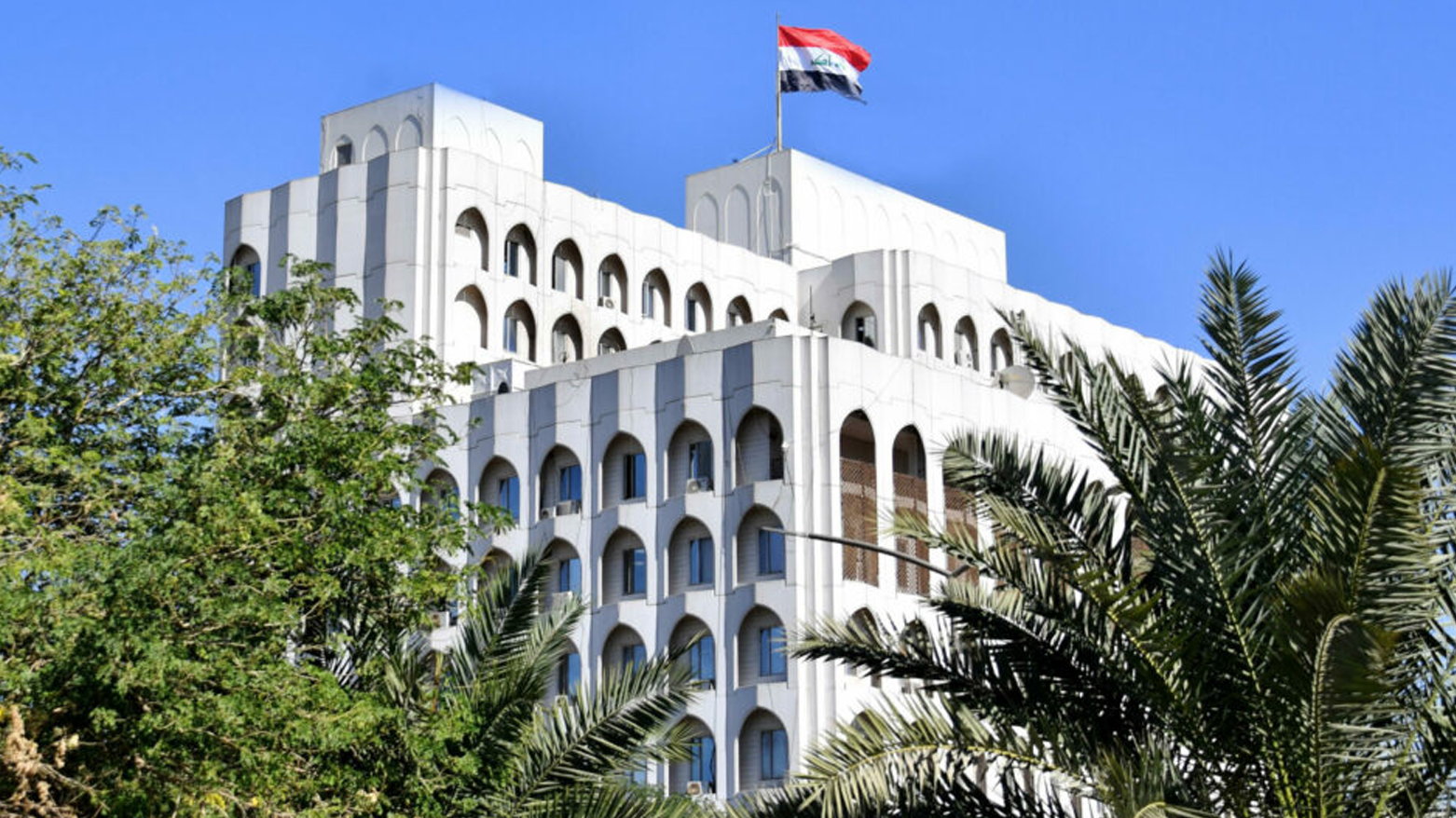
ERBIL (Kurdistan24) - As quiet diplomatic channels reopened in Muscat, Iraq’s Foreign Ministry moved swiftly to frame the moment as a rare opening for de-escalation, publicly welcoming the talks between Iran and the United States as a chance to redraw the region’s political atmosphere.
Iraq’s Foreign Ministry announced that it welcomes the ongoing talks between the Islamic Republic of Iran and the United States, describing them as a positive step toward reducing tensions and as the beginning of a new diplomatic phase in the region.
In a statement, the ministry said: “We welcome the talks between the Islamic Republic of Iran and the United States, as this is a positive step toward reducing tensions and strengthening opportunities for dialogue.”
The ministry stressed: “Iraq reiterates its full support for efforts to de-escalate, strengthen stability and security in the region, based on the belief in the importance of dialogue and diplomacy as a path to resolving disputes.”
It also expressed its appreciation for the role of the Sultanate of Oman in hosting and facilitating the talks, describing Muscat’s role as supportive of stability.
The American outlet Axios reported, citing two informed sources, that within the framework of the Iran–US talks in Oman, Steve Witkoff and Jared Kushner, advisers to Donald Trump, met directly with Abbas Araghchi, Iran’s foreign minister.
The direct meeting took place as diplomatic efforts continued through Omani mediation to discuss the contentious files between Washington and Tehran, particularly following the start of a new US administration.
Iranian official television announced that the negotiations between the United States and the Islamic Republic of Iran, conducted under the mediation of Oman in Muscat, had concluded, and that there was a possibility that the negotiating delegations would return to their respective countries.
After the second round of talks ended, Abbas Araghchi told journalists that several rounds of indirect negotiations had taken place, during which messages were exchanged and a number of Iranian concerns were conveyed.
He said the discussions were held in “a very good atmosphere,” that Iran’s rights and interests were addressed, and that the talks with the United States were positive. He added that this round of negotiations was “a good beginning,” and that the Iranian delegation would return to Tehran to consult on how to continue the process.
Araghchi also stated that all of Iran’s concerns and interests had been presented to the other side, and that Iran had received the views and positions of the American side.
Regarding the continuation of negotiations, he said there is an understanding between both sides, but that consultations with their respective governments are required.
In a separate statement on X, Iranian Foreign Ministry spokesperson Esmail Baghaei wrote: “The Iran–US talks in Muscat concluded with the agreement of both sides to continue the negotiations.” He added: “Both negotiating delegations, after conveying their viewpoints and demands, agreed to return to their capitals to consult regarding the next round of talks.”
Omani Foreign Minister Badr Hamad al-Busaidi said in a message on X that the mediated talks between the United States and Iran were “very serious” and “useful,” helping both sides better understand each other’s intentions.
He said the discussions clarified the thinking of both sides and identified areas where progress could be achieved, adding: “Our aim is to meet again at an appropriate time.”
Iranian state television also reported that negotiations on the nuclear and missile files had ended, and that the delegations may return to their countries.
Some US media outlets reported that Iran may suspend its nuclear program for a long period in exchange for the United States lifting sanctions.
Omani media, citing officials, said the talks focused on the framework and conditions of negotiations, and that another round is expected to take place in the coming days in a more intensive format.
According to Iran’s Tasnim News Agency, at 09:45 a.m., Abbas Araghchi met with Omani Foreign Minister Badr Hamad al-Busaidi. At 11:45 a.m., a meeting began between Steve Witkoff, Trump’s envoy and head of the US negotiating delegation, and the Omani foreign minister. At 12:00 p.m., the first round of the day’s talks ended.
Tasnim added that from 13:16 until 14:21, talks resumed between Araghchi and al-Busaidi, and that at 16:50, the Iranian negotiating delegation returned to their place of accommodation in Muscat.
With Baghdad voicing support and Muscat sustaining the channel, the next phase of the Iran–US dialogue now moves from closed rooms to national capitals for consultation.