Iran Intensifies Hijab Enforcement With Arrests Linked to Kish Island Marathon
Iran arrests two Kish marathon organizers for "violating public decency" after women ran without hijabs, signaling a crackdown amid widespread civil defiance.
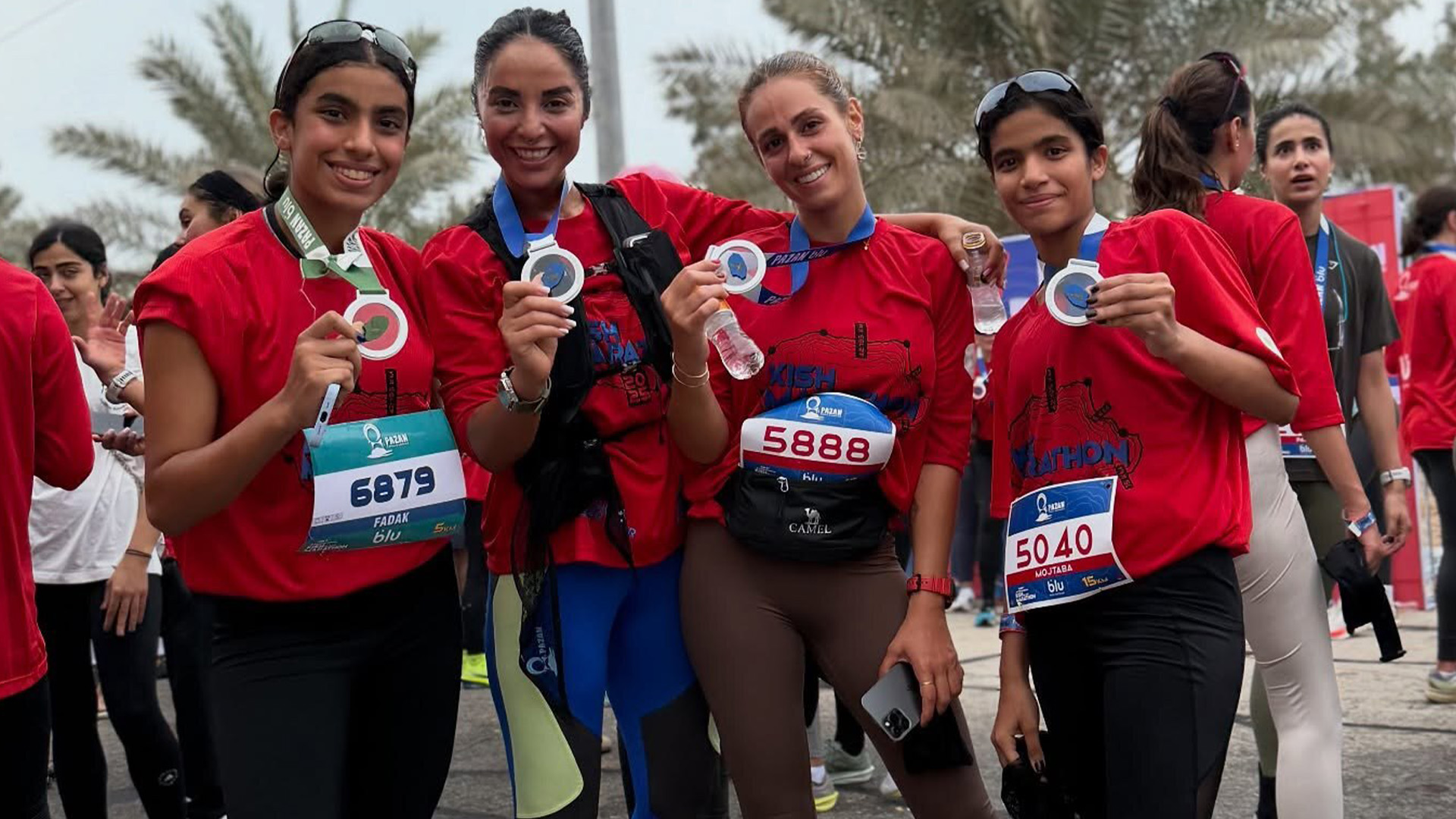
ERBIL (Kurdistan24) – Iranian judicial authorities have launched a criminal case and arrested two primary organizers of a major sporting event on Kish Island, moving swiftly to enforce the country's mandatory dress codes after images circulated online showing female participants competing without the hijab.
The detentions, confirmed by the judiciary’s official news outlet on Saturday, mark the latest flashpoint in the widening chasm between the Islamic Republic’s rigid legal framework and a society that has increasingly normalized defiance of clerical rule in the wake of the 2022 nationwide protests.
The arrests follow a marathon held on Friday on the resort island of Kish, which attracted approximately 5,000 participants.
According to Mizan Online, the judiciary’s news agency, the event triggered immediate legal repercussions after photographs emerged of women running with their heads uncovered, a direct violation of the laws enshrined shortly after the 1979 Islamic Revolution.
The local prosecutor, quoted by Mizan Online, framed the incident not merely as a regulatory oversight but as an affront to the nation's moral order.
"Despite previous warnings regarding the need to comply with the country's current laws and regulations, as well as religious, customary and professional principles... the event was held in a way that violated public decency," the prosecutor stated.
The judicial response was rapid and punitive. On Saturday, Mizan Online reported that "two of the main organizers of the competition were arrested on warrants."
The individuals detained include a government official from the Kish Free Zone Organization and an employee of the private company contracted to organize the race. Following the formal reading of charges regarding the crimes committed, a bail order was issued for both defendants.
However, the legal consequences extended beyond temporary detention. Citing Article 247 of the Code of Criminal Procedure, the Kish prosecutor issued temporary judicial supervision orders that effectively strip the accused of their professional livelihoods pending the outcome of the case.
The government official has been banned from employment in government offices, while the private contractor has been prohibited from engaging in sports management activities or organizing future sporting events.
The General and Revolutionary Prosecutor of Kish Island emphasized that while the state supports "healthy recreational and sporting initiatives that boost the economy," the pursuit of this case would continue seriously.
The objective, the prosecutor asserted, is to safeguard the country's laws and regulations, observe Sharia principles, and take "deterrent action against any violation in public programs."
This hardline stance comes as the judiciary faces mounting pressure from ultraconservative factions and lawmakers who have accused the legal system of failing to uphold the hijab law amid fears of a surge in Western influence.
The crackdown in Kish stands in stark contrast to the shifting reality on the streets of the capital, where enforcement of the dress code has become increasingly sporadic and overwhelmed by civil disobedience.
An Associated Press journalist, granted a rare visa to attend a summit in Tehran, documented a city in the throes of a quiet cultural revolution. Upon entering Tehran’s northern neighborhoods, particularly along the sycamore-lined Vali-e Asr Street, the journalist observed that women with "brown, black, blonde and gray locks" were visible almost everywhere, having chosen to forgo the mandatory headscarf.
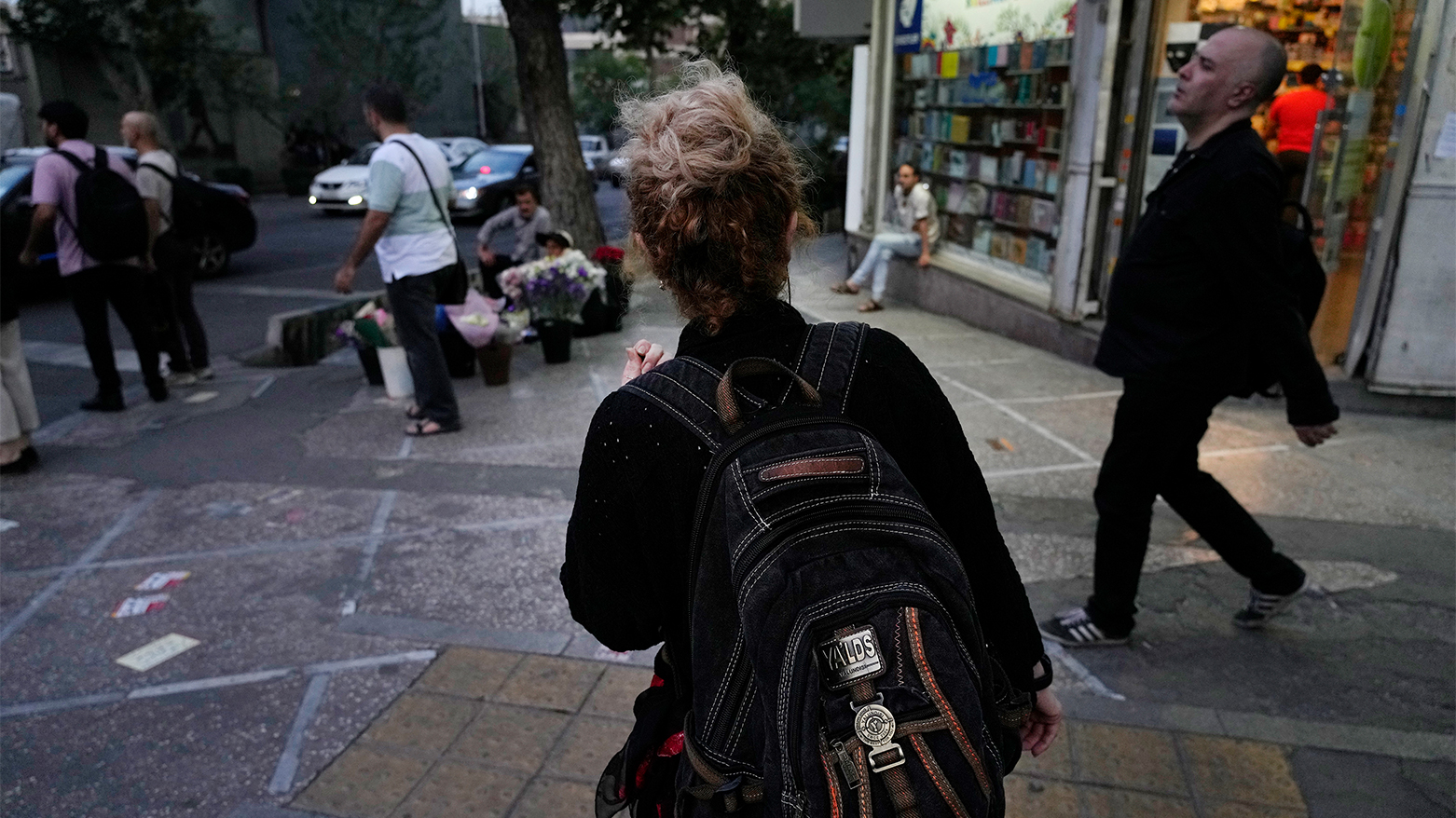
This level of open defiance, described by observers as "unthinkable" just a few years ago, has become a defining feature of post-2022 Iran.
The turning point was the death in custody of Mahsa Amini, a young Kurdish woman arrested for an alleged dress-code breach in September 2022. The subsequent nationwide protests enraged women of all ages and political views, fundamentally altering the social contract between the state and its female citizens.
Holly Dagres, a senior fellow at the Washington Institute for Near East Policy, told the AP that the current landscape feels unimaginable compared to previous decades. "When I moved to Iran in 1999, letting a single strand of hair show would immediately prompt someone to tell me to tuck it back under my headscarf out of fear of the morality police taking me away," Dagres noted. "To see where Iran is today feels unimaginable: Women and girls openly defying mandatory hijab."
The scale of this refusal has reportedly overwhelmed the authorities.
In Tehran, the AP observed young schoolgirls removing their hijabs immediately upon leaving school grounds, darting through traffic and laughing, while women of all ages walked uncovered through the Tajrish Bazaar and past religious shrines.
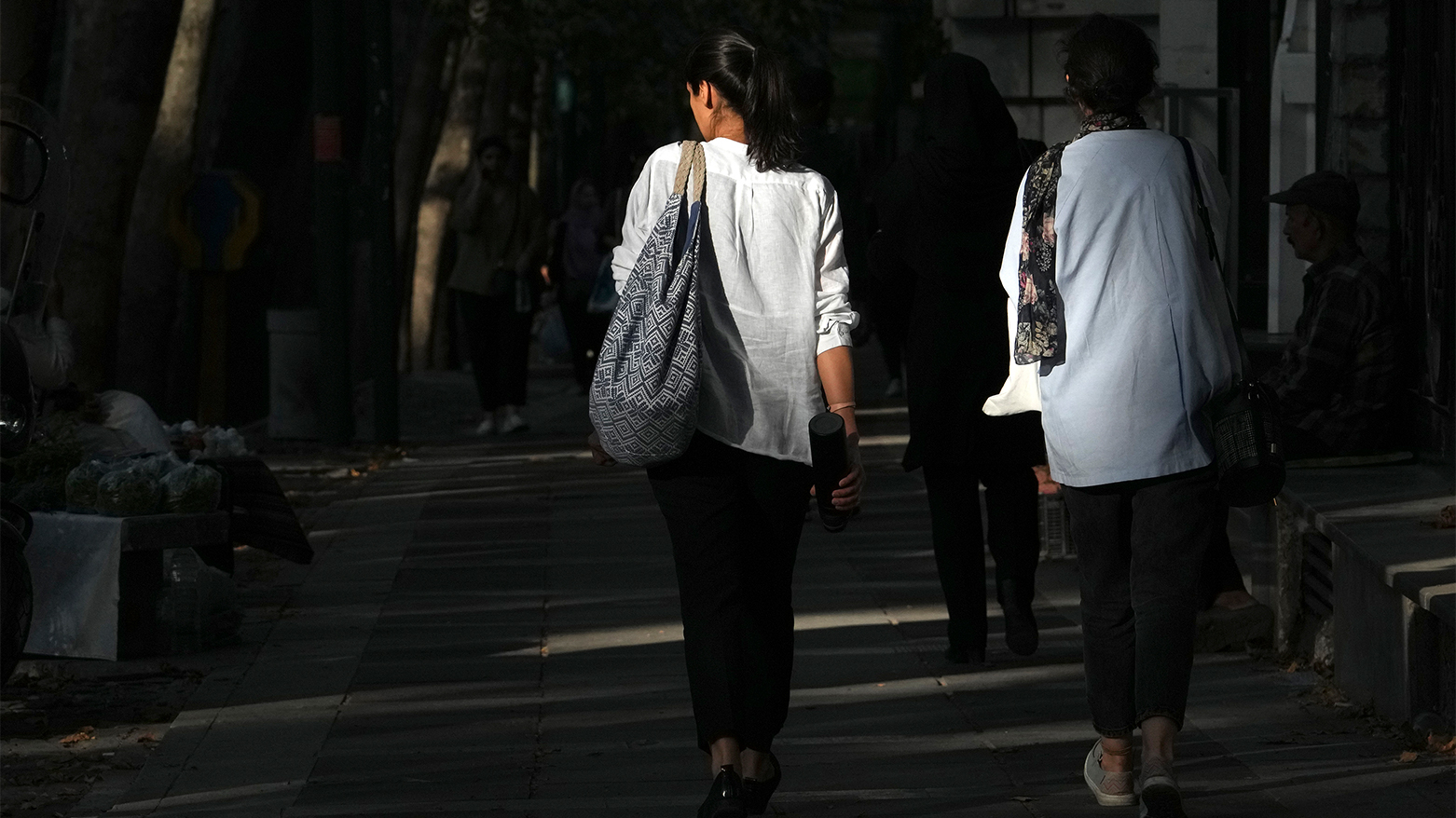
In many instances, police officers were seen talking among themselves, allowing the women to pass unremarked. This passive enforcement in the capital highlights the dilemma facing the regime: attempting to crack down on millions of women could reignite the volatile unrest seen in 2022, particularly at a time when the government is grappling with a "rotten economy," power blackouts, and water shortages.
However, the leniency observed in Tehran does not appear to extend to organized public events or official settings, as evidenced by the arrests in Kish.
The regime seems determined to draw a line when defiance moves from individual acts on the street to collective actions in the public sphere. This inconsistency has fueled a political tug-of-war within the Iranian establishment.
Earlier this week, a majority of lawmakers accused the judiciary of failing to uphold the hijab law, prompting Chief Justice Gholamhossein Mohseni Ejei to call for stricter enforcement. Conservative-aligned media outlets, including Tasnim and Fars, condemned the Kish marathon as indecent and disrespectful to Islamic laws.
Conversely, the administration of reformist President Masoud Pezeshkian has pushed back against the most draconian measures.
The government has refused to ratify a bill passed by parliament that would have imposed tough penalties on women who do not observe the dress code. In a September interview, President Pezeshkian stated that "human beings have a right to choose," a sentiment that places him at odds with the hardliners calling for a crackdown.
Iran’s Supreme Leader Ali Khamenei on Wednesday issued a forceful defense of the hijab amid a growing number of Iranian women openly defying the Islamic Republic’s strict dress rules, a trend that has stirred discontent among ultraconservative factions.
His comments followed a sharp rebuke from more than half of the conservative-led parliament, which accused the judiciary of failing to uphold mandatory hijab regulations.
The debate intensified last week when Khamenei’s office drew criticism from hardliners after its newspaper published a photograph of an Iranian woman killed during the June conflict with Israel—shown without a headscarf, wearing a baseball cap and with her hair visible.
Speaking to a gathering of women, Khamenei asserted that “a Muslim woman, wearing the hijab and respecting Islamic dress, can progress more than others in all areas and play an active role both in society and at home.” He added that this vision, embedded since the 1979 Islamic Revolution, has enabled Iranian women and girls to advance across multiple fields.
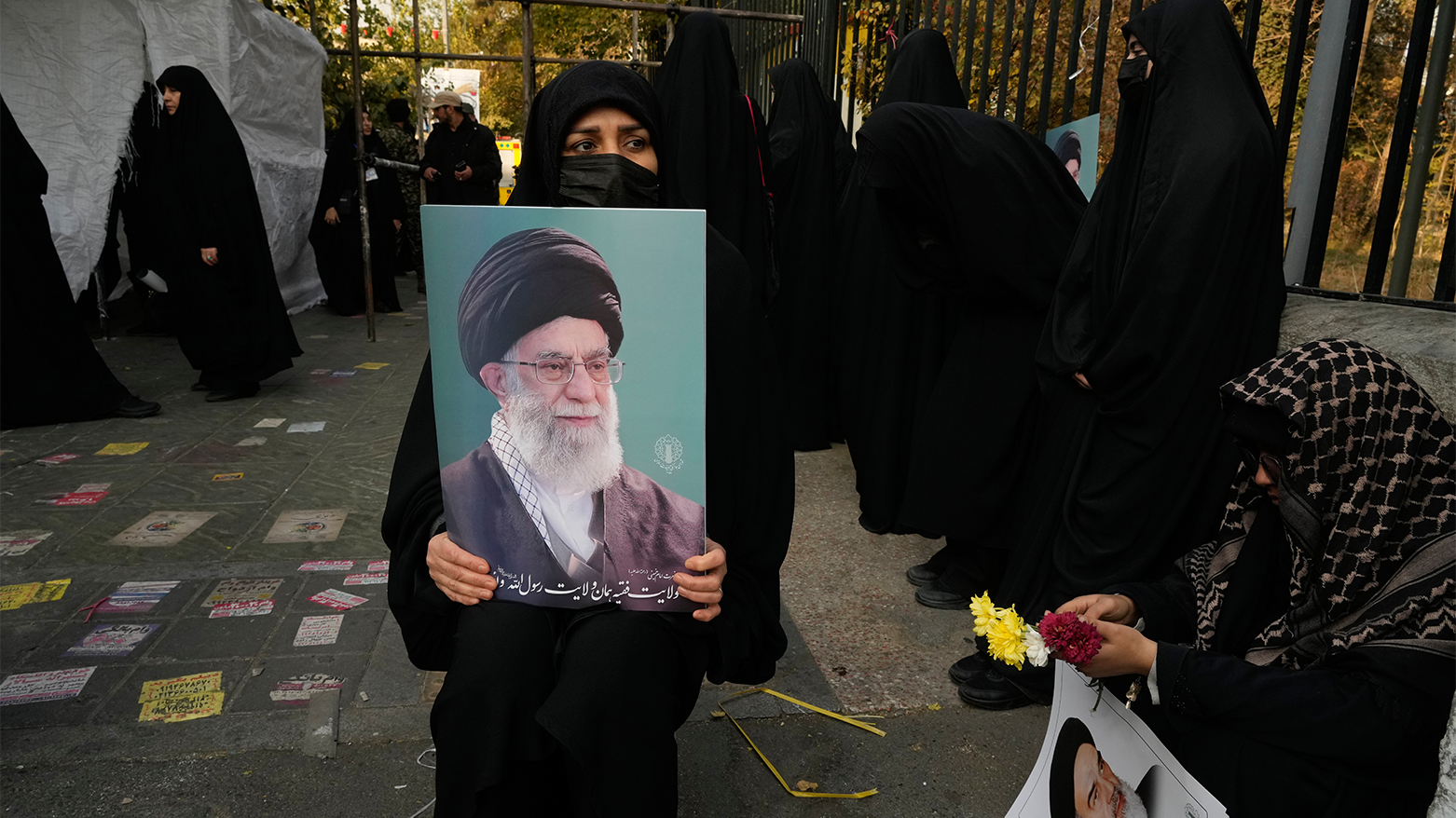
Mandatory hijab—covering the head and neck and observing modest dress—has been enforced in Iran since the revolutionary overthrow of the US-backed monarchy.
The fragility of the situation is underscored by the economic hardship and the trauma of recent conflicts.
The AP reported signs of the war with Israel still visible in Tehran, including an apartment building with its top floor in ruins from an Israeli strike.
Fear of another conflict permeates conversations, and dissatisfaction with the theocracy simmers under the surface. Pezeshkian's social affairs adviser, Mohammad-Javad Javadi-Yeganeh, recently acknowledged unpublished survey data suggesting widespread discontent with the government, contradicting official narratives of national unity.
Despite the widespread defiance, the fear of state reprisal remains a potent force. The arrests in Kish serve as a reminder that the state retains the power to destroy careers and detain citizens at will.
An Iranian woman who recently emigrated to Canada told the AP that the psychological weight of the mandate persists even abroad. "Sometimes that fear is with me," she said. "Sometimes when I’m behind the wheel, I try to find my headscarf on my head. That fear is still with me."
The incident in Kish is not without precedent. In May 2023, the head of Iran's athletics federation was forced to resign after women participated in a sporting event in Shiraz without headscarves.
The recurrence of such crackdowns suggests that while the streets of Tehran may be changing, the institutional red lines regarding the hijab remain in place, enforced by a judiciary eager to prove its ideological purity to critics.
As the legal proceedings against the marathon organizers commence, the case will likely serve as a bellwether for how the Islamic Republic intends to navigate the widening gap between its revolutionary laws and the lived reality of its people.