Nine Shiite Candidates Compete for Iraq’s Next Premiership as Negotiations Intensify
Nine Shiite candidates are competing to be Iraq's next prime minister, with negotiations ongoing between blocs to unify around a nominee, as current PM al-Sudani and former PM al-Maliki remain in contention.
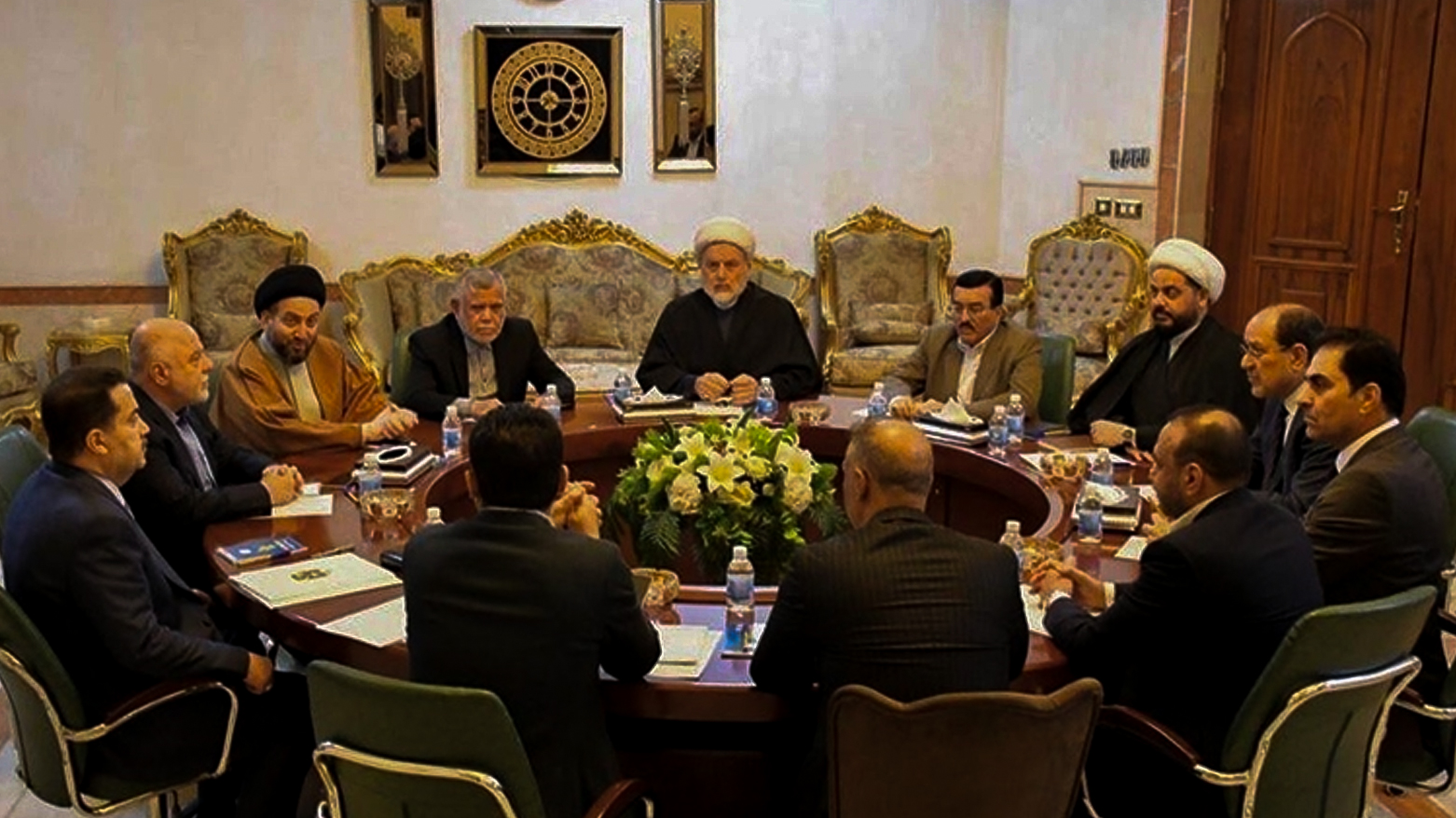
ERBIL (Kurdistan24) - Iraq’s political blocs remain locked in negotiations over selecting the country’s next prime minister, with nine Shiite candidates now competing for the post, according to Ammar Faez, head of the Tasmeem Alliance and a prominent figure within the Shiite Coordination Framework.
Faez told Iraqi media that the names of nine contenders have been formally submitted to political blocs, and that meetings between parties are “ongoing” as they work to reach consensus.
So far, he said, no single candidate has emerged as the unified choice.
Faez confirmed that both Mohammed Shia al-Sudani, Iraq’s current prime minister, and Nouri al-Maliki, head of the State of Law Alliance, are officially in the race to lead the next government.
He stressed that reports suggesting senior Shiite religious authorities intervened in the selection process are inaccurate, noting that such claims appeared aimed at undermining trust between political factions.
Regarding the timeline, Faez said Iraq’s constitution requires parliament to first select a speaker, followed by the president, before a prime minister can be formally designated.
He indicated that a unified decision may emerge this month, depending on progress within the Shiite Coordination Framework.
Iraq held parliamentary elections on Nov. 11, but more than a month later, both Sunni and Shiite blocs have yet to agree on candidates for the posts of president and prime minister.
Two major alliances have already named their preferred nominees:
-The Reconstruction and Development Alliance has nominated Mohammed Shia al-Sudani for prime minister.
-The State of Law Alliance has nominated Nouri al-Maliki for the same position.
As political discussions continue, the Shiite coordination blocs face increasing urgency to resolve internal competition among nine candidates and present a unified nominee capable of forming Iraq’s next government.