UNAMI Mission to Conclude Operations in Iraq by December 31, Says UN Envoy
The UN Assistance Mission for Iraq (UNAMI) will end its mandate on Dec. 31, with all personnel departing, as the UN shifts to technical cooperation on climate, health, and education, per Special Representative Mohamed Al-Hassan.
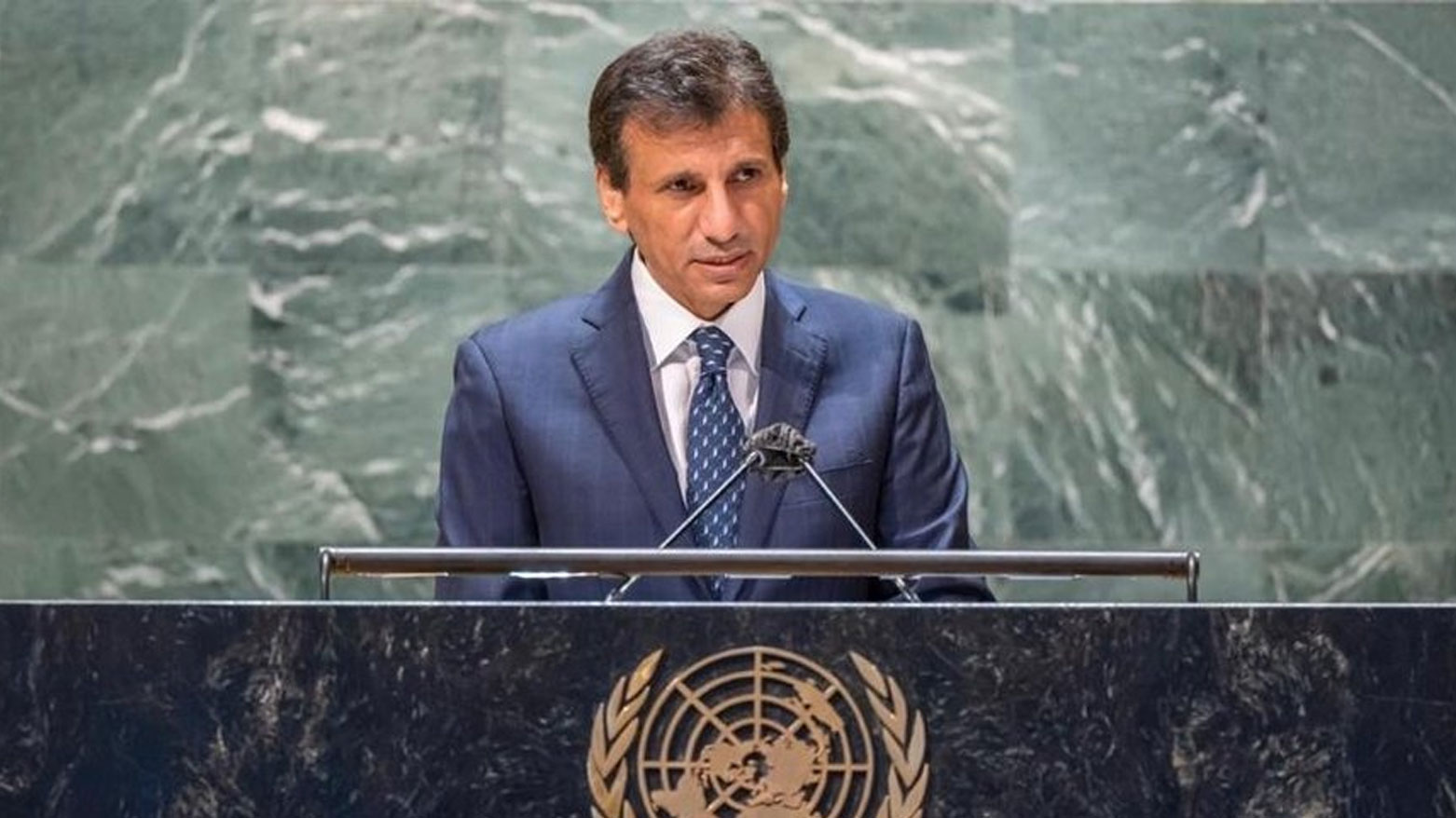
ERBIL (Kurdistan24) - The United Nations Assistance Mission for Iraq (UNAMI) will officially conclude its mandate on December 31, with all mission members set to depart the country after that date, the UN Secretary-General’s Special Representative for Iraq, Mohamed Al-Hassan, announced on Saturday.
In an interview with UN News, Al-Hassan said that UNAMI was established at the request of the Iraqi people and that its conclusion also comes at their request. He noted that while the political mission is ending, the United Nations will continue its presence in Iraq, potentially with greater intensity than before, as its engagement shifts toward technical cooperation.
“The United Nations will remain present, and it may be present more extensively than before, because the work has now transformed into technical cooperation on climate issues, health, education, and technology,” Al-Hassan said.
Reflecting on UNAMI’s more than two decades in Iraq, Al-Hassan described the mission’s work as demanding, adding that Iraqis determined the objectives assigned to the mission had largely been fulfilled. He said the time had come for Iraq to assume full responsibility for its affairs, like other sovereign states.
“I agree with this approach,” he stated, emphasizing that the mission had indeed been completed successfully.
Al-Hassan pointed out that three outstanding files remain: the issue of missing persons from Kuwait and third-country nationals dating back to the war and the invasion of Kuwait, the matter of Kuwaiti property, and the Kuwaiti national archives. He underlined the importance of resolving these issues within the remaining framework of international cooperation.
Turning to Iraq’s economic challenges, Al-Hassan highlighted that 38 out of approximately 72 Iraqi banks remain under sanctions. He said sustainable economic and developmental progress would be impossible without lifting these restrictions, noting that Iraqis are seeking a viable path toward long-term economic growth.
Al-Hassan also underscored key milestones in Iraq’s recent history, particularly the ability of Iraqis to freely participate in elections without pressure and to choose their representatives to shape the country’s future. He described this as a fundamental exercise of freedom now firmly in the hands of the Iraqi people.
He further noted that the international community, especially the Global Coalition, in coordination with Iraqi forces and with sacrifices largely borne by Iraqis themselves, succeeded in defeating ISIS.
Looking ahead, Al-Hassan said Iraq is moving toward what he described as an “Iraqi–Iraqi Marshall Plan,” aimed at redefining the country’s rightful place not only on the Arab map but also on the global stage, without reliance on external credit.
In his closing remarks, Al-Hassan called on Iraqis to distance themselves from sectarianism and to work toward a shared future. He stressed that the time has come for all Iraqis to feel a sense of belonging based on equal citizenship, rather than partisan or sectarian affiliation.