Iraq Moves to Open Two New Crossings with Saudi Arabia
Iraq plans to open the Jumaymah and Awayqilah border crossings with Saudi Arabia to boost trade and pilgrimage, though Muthanna requires 400 billion dinars to finish the project.
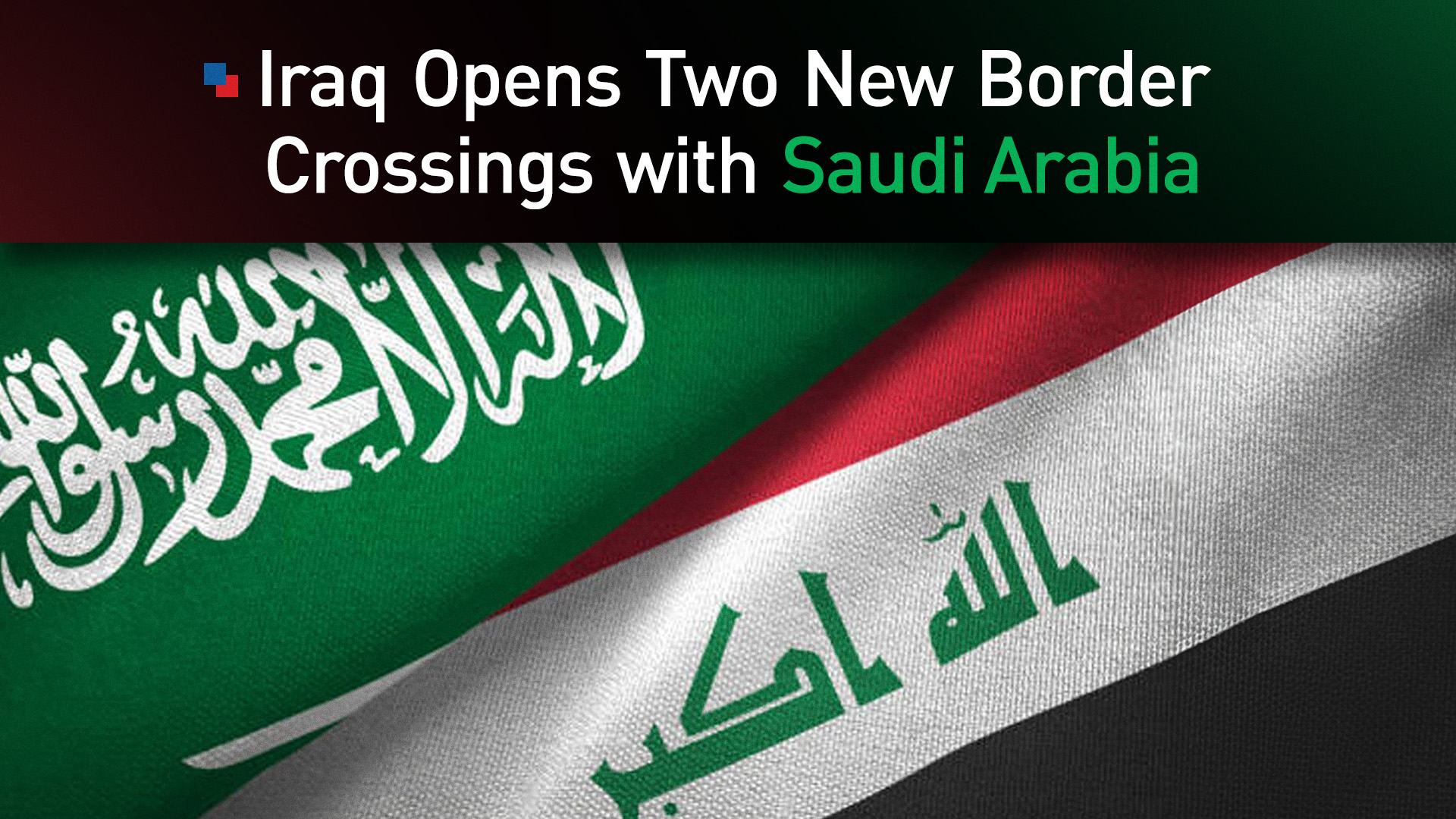
ERBIL (Kurdistan24) – The federal government in Baghdad has formally initiated plans to open two new overland border crossings with the Kingdom of Saudi Arabia, a move that officials assert will fundamentally reshape the trade and logistical landscape between the two nations. The initiative, which targets the establishment of the Jumaymah and Awayqilah crossings, represents a significant expansion of bilateral relations that have witnessed noticeable growth in recent periods, signaling a mutual determination to move beyond diplomatic rapprochement toward deep, structural economic cooperation.
By sanctioning these new commercial arteries within the borders of the Muthanna and Najaf governorates, Iraqi authorities are laying the groundwork for a broader vision of prosperity that encompasses increased trade exchange, joint investment, and the streamlined movement of millions of religious pilgrims.
The push to open the Jumaymah and Awayqilah crossings is not an isolated administrative decision but the latest progression in a calibrated policy of engagement that gained significant momentum with the reopening of the Arar crossing in 2020.
That event served as a diplomatic icebreaker, ending decades of closure and setting a precedent for the cross-border connectivity that Baghdad is now eager to replicate and expand.
The Iraqi Border Crossings Commission, the high-level body responsible for the management and regulation of the nation’s ports of entry, officially codified this intent during a decisive meeting held on September 24, 2025.
During this session, the Commission voted to commence the necessary procedures to operationalize both new entry points, formally placing the infrastructure projects on the national agenda and signaling to the private sector and regional partners that Iraq is committed to diversifying its trade routes and reducing logistical bottlenecks.
Central to this expansion strategy is the geographical positioning of the new crossings, which are slated for the southern governorates of Muthanna and Najaf.
This placement is strategically calculated to invigorate the economies of southern Iraq, regions that have long sought greater integration with the prosperous markets of the Gulf.
By linking these governorates directly to Saudi Arabia, the government aims to create new corridors for commerce that can bypass longer, more congested routes, thereby reducing transaction costs and facilitating a more fluid exchange of goods and services.
The initiative frames the border not merely as a line of security and demarcation, but as a gateway for economic opportunity that serves the broader framework of both countries' desire to expand the horizons of economic cooperation.
However, the realization of this ambitious infrastructure project faces substantial fiscal and bureaucratic hurdles that must be cleared before traffic can flow. Qadir Hamoud, the Director of Planning in Muthanna Governorate, provided a sober assessment of the current status of the initiative, particularly regarding the Jumaymah crossing.
While the strategic intent is clear, the practical execution remains a work in progress. Mr. Hamoud stated that the procedures for opening the Jumaymah border crossing have not yet been completed, highlighting the administrative complexities involved in establishing international ports of entry.
More critically, he outlined a significant financial requirement, revealing that the governorate requires an allocation of 400 billion dinars to complete the project. This figure underscores the scale of the infrastructure investment needed to bring the facility up to the standards required for handling heavy commercial traffic and secure passenger movement.
Despite these challenges, the rationale driving the project remains rooted in the immense potential for mutual benefit. Mr. Hamoud emphasized that both the Jumaymah and Awayqilah crossings will possess "significant trade importance" for both Iraq and Saudi Arabia.
The economic logic suggests that by increasing the number of entry points, both nations can alleviate pressure on the existing Arar crossing, creating a more resilient logistics network capable of handling higher volumes of bilateral trade.
This is particularly pertinent given the noticeable growth in economic relations witnessed in the past period, a trend that suggests demand for cross-border movement is rising and will likely continue to accelerate as joint investment projects come to fruition.
Beyond the movement of commercial goods, the opening of these crossings carries profound social and religious implications for the citizens of both nations. The project is explicitly designed to facilitate the movement of citizens, with a particular focus on the hundreds of thousands of pilgrims who travel annually for Hajj and Umrah.
For pilgrims originating from Iraq, and specifically from the southern governorates, direct access through Najaf and Muthanna into Saudi Arabia would drastically reduce travel times and logistical burdens.
Facilitating this religious tourism is a key component of the bilateral relationship, serving to strengthen the people-to-people ties that underpin the warming diplomatic climate.
The integration of religious tourism into the economic planning for these crossings highlights a holistic approach to border management, viewing these facilities as conduits for both faith and finance.
The trajectory of these developments suggests that the relationship between Baghdad and Riyadh is entering a phase of maturity defined by tangible infrastructure projects rather than mere diplomatic pleasantries.
The 2020 opening of Arar proved that the border could be a zone of cooperation; the push for Jumaymah and Awayqilah indicates a desire to make that cooperation the norm rather than the exception.
The vote by the Border Crossings Commission in September 2025 serves as the bureaucratic keystone for this new phase, authorizing the state apparatus to begin the complex work of surveying, funding, and constructing the necessary facilities.
While the 400 billion dinar funding gap cited by the Muthanna planning director represents a formidable obstacle, it also defines the scope of the commitment required from the federal government to realize its strategic goals.
Ultimately, the opening of the Jumaymah and Awayqilah crossings is positioned as a transformative step within the framework of a shared desire to expand joint cooperation.
It reflects a recognition in Baghdad that Iraq’s economic future is increasingly tied to its ability to serve as a transit hub and a trading partner with the Gulf Cooperation Council states.
By bridging the desert frontier with modern highways and customs facilities, Iraq is not just opening doors to Saudi Arabia; it is attempting to open a door to a more diversified and integrated economic future.
As the procedures for implementation begin, the focus will shift to the government's ability to mobilize the necessary capital and expedite the construction, turning the ambitious lines drawn on a map into the asphalt and concrete realities of international trade.