Iraq Ranks Third in Arab World for Number of Births in 2025: UN Data
Data published on the UN WPP website on Monday showed that Egypt recorded the highest number of births in the Arab world in 2025, with approximately 2.45 million newborns.
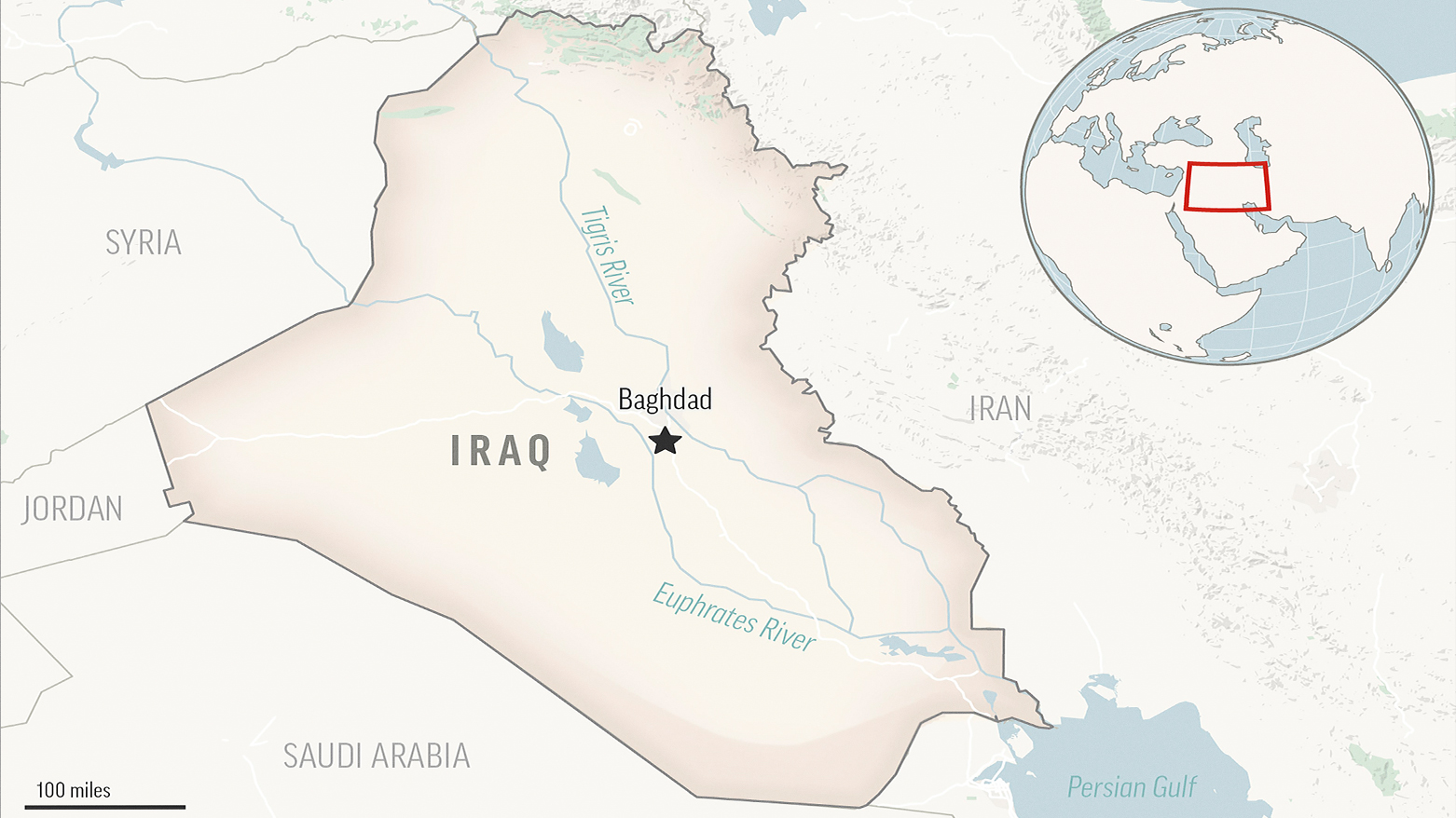
ERBIL (Kurdistan24) – Iraq has ranked third among Arab countries in terms of the number of births this year, according to figures released by the United Nations World Population Prospects (WPP).
Data published on the UN WPP website on Monday showed that Egypt recorded the highest number of births in the Arab world in 2025, with approximately 2.45 million newborns. Yemen followed with about 1.40 million births, while Iraq recorded around 1.18 million, placing it third overall.
Other countries with relatively high birth numbers include Algeria, with an estimated 855,000 births, Morocco with 619,000, Syria with 601,000, and Saudi Arabia with 564,000.
At the lower end of the list, Jordan recorded the fewest births among the larger Arab states, followed by Tunisia with about 232,000. Palestine registered 144,000 births, Libya 120,000, the United Arab Emirates 114,000, Lebanon 92,000, and Oman around 90,000. Gulf states with smaller populations reported the lowest figures overall, including Kuwait with 48,000 births, Qatar with 29,000, and Bahrain with approximately 10,000.
The UN World Population Prospects is a key global reference for demographic trends, providing data on fertility, mortality, migration, and population growth across countries and regions. Birth figures across the Arab world vary widely due to differences in population size, age structure, economic conditions, healthcare access, and family planning policies.
Iraq’s high number of births reflects its relatively young population and higher fertility rates compared to several neighboring countries. In contrast, many Arab states—particularly in North Africa and the Gulf—have seen declining birth rates in recent years, influenced by urbanization, rising living costs, expanded education, and changing social norms.
The UN data underline sharp contrasts in population growth dynamics across the region, trends that are expected to have long-term implications for labor markets, public services, and economic planning in Arab countries.