Iraq Welcomes US Congressional Vote to Repeal Decades-Old War Authorizations
The Ministry said the decision was approved by both the US House of Representatives and the Senate as part of the National Defense Authorization Act (NDAA) for 2026, adding that it looks forward to the bill being signed into law by President Donald Trump.
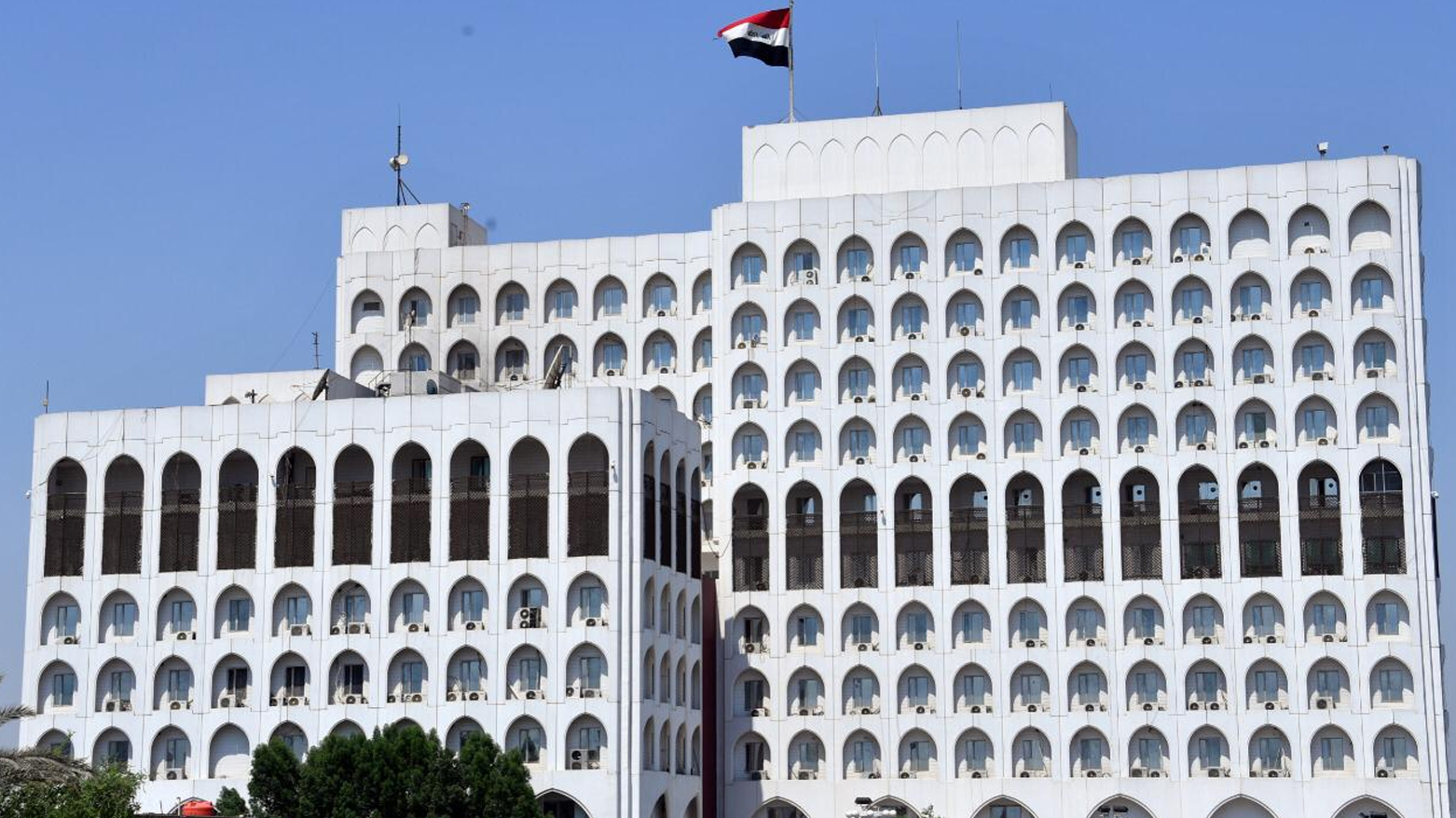
ERBIL (Kurdistan24) – The Iraqi Ministry of Foreign Affairs on Wednesday welcomed what it described as a historic vote by the United States Congress to repeal the 1991 and 2002 Authorizations for the Use of Military Force (AUMF) against Iraq.
In a statement, the Ministry said the decision was approved by both the US House of Representatives and the Senate as part of the National Defense Authorization Act (NDAA) for 2026, adding that it looks forward to the bill being signed into law by President Donald Trump.
The Ministry noted that completing the process to revoke the authorizations — which have remained in force for more than three decades — reflects a shift in the views of US lawmakers, influenced by evolving domestic and foreign policy considerations.
According to the statement, the repeal represents “a fundamental turning point” in the legal framework governing relations between Iraq and the United States, paving the way for a new partnership based on respect for Iraq’s sovereignty. It also signals an end to the legacy of war and contributes to strengthening strategic cooperation between the two countries.
The Ministry added that the move sends a positive message to the international community, underscoring that Iraq has become a safe and attractive environment for investment.
At the same time, the Foreign Ministry emphasized that revoking the 1991 and 2002 authorizations does not weaken counterterrorism efforts, noting that the 2001 Authorization for Use of Military Force—issued following the September 11 attacks to address threats from al-Qaeda and affiliated terrorist groups—remains in effect.
The statement reaffirmed the Iraqi government’s commitment to strengthening bilateral relations with the United States in a manner that supports a long-term partnership, serves the interests of both countries, and contributes to stability in the Middle East.