Britain Sanctions Commanders and Factions Within Syria’s New Army Over Civilian Abuses
Britain imposed sanctions on commanders and factions within Syria’s new army, as well as former regime-linked figures, over civilian abuses, including coastal violence and Afrin violations, imposing asset freezes and travel bans while reaffirming support for Syria’s political transition.
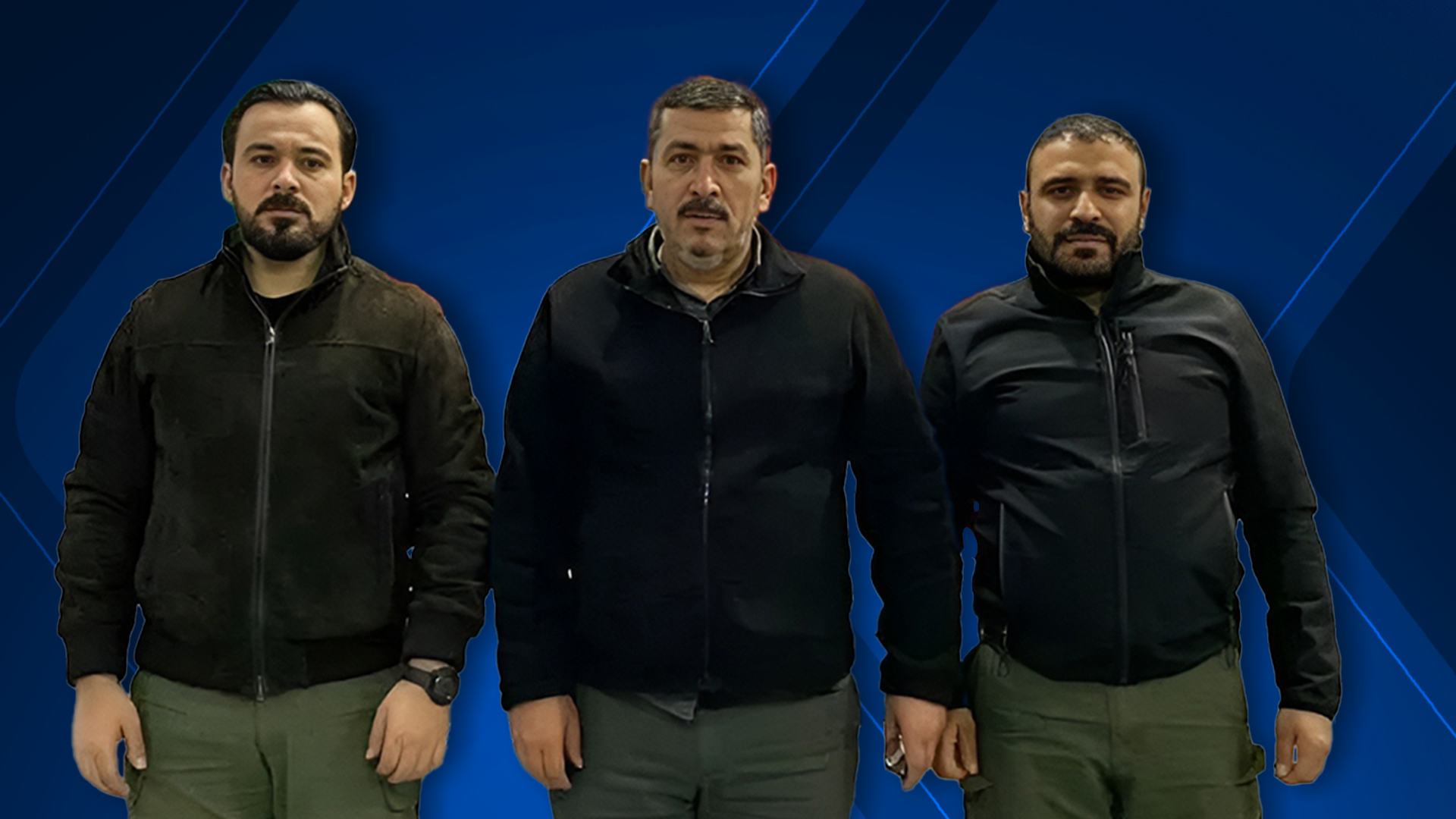
ERBIL (Kurdistan24) – Britain has imposed a new package of sanctions on military commanders and armed factions within Syria’s new army, as well as figures linked to the former Assad regime, over their alleged involvement in violence against civilians, including the massacres that struck Syria’s coast in March.
In a decision announced on Friday, the UK government said the measures target individuals and groups accused of serious human rights violations across Syria. According to the British decision, some of the sanctioned factions were previously part of the Turkish-backed Syrian National Army before later being integrated into the ranks of Syria’s new army. These groups are also accused of committing widespread abuses in the Afrin region following the 2018 offensive.
The sanctions include asset freezes, travel bans, and disqualification from holding directorial or administrative positions. Among those targeted are Mohammad al-Jasim, known as ‘Abu Amsha,’ commander of the Sultan Suleiman Shah faction, also known as the Amshat, who was appointed commander of the 62nd Division in Syria’s new army, and Sayf al-Din Boulad, known as ‘Sayf Abu Bakr,’ commander of the Hamza Division, appointed commander of the 76th Division.
Britain also imposed asset freezes on several armed factions, including the Sultan Murad Division, led by Fahim Issa, who was appointed deputy defense minister in Syria’s transitional government and commander of the northern region, as well as the Sultan Suleiman Shah Division and the Hamza Division.
In a broader statement titled “UK sanctions perpetrators of violence against civilians across Syria,” London said the measures also cover individuals involved in earlier atrocities during the Syrian civil war and in the coastal violence in Latakia and Tartous governorates earlier this year. The announcement identified four individuals and three organizations linked to suspected atrocities, alongside two businessmen accused of financially supporting the former Assad regime.
The individuals now subject to asset freezes, travel bans, and director disqualification are Ghaith Dalla, a former senior regime military commander and leader of a pro-regime militia group; Miqdad Fatiha, another former regime military commander and militia leader; Mohammad al-Jasim, commander of the Sultan Suleiman Shah militia group; Sayf Boulad, commander of the Hamza Division; Mudallal Khoury, a Syrian-Russian businessman who helped finance the Assad regime; and Imad Khoury, a Syrian-Russian businessman accused of similar financial support.
The sanctioned organizations are the Sultan Murad Division, the Sultan Suleiman Shah Division commanded by Mohammad al-Jasim, and the Hamza Division commanded by Sayf Boulad.
UK Foreign Secretary Yvette Cooper said the sanctions send a clear message to those responsible for violence against civilians: “Over a year since the liberation from the brutal Assad regime, the UK continues to stand with the Syrian people and support the Syrian Government in delivering an inclusive political transition. Accountability and justice for all Syrians is vital to ensure a successful and sustainable political settlement in Syria.”
She added: “That’s why I am today announcing sanctions against several individuals and organizations for their involvement in horrific violence against the civilian population in Syria. These designations send a clear message to those who seek to undermine the peaceful and prosperous future of all Syrians.”
The UK government stressed that the new measures form part of its ongoing commitment to pursue accountability for abuses committed by all actors in Syria, including those affiliated with the former Assad regime. It also reaffirmed its intention to work with the Syrian government to support economic recovery and a transition toward a more stable, free, and prosperous future.
London noted that on April 24 it amended its Syria sanctions regulations, lifting restrictions on some sectors including finance, trade, and energy production, in a move aimed at facilitating essential investment. The UK said it remains committed to supporting Syria’s transition while bolstering regional and UK security.