Iran and Britain Resume Rare Direct Contact in Phone Call Between Top Diplomats
Nuclear issue and detained British couple raised as Tehran criticizes European stance on sanctions.
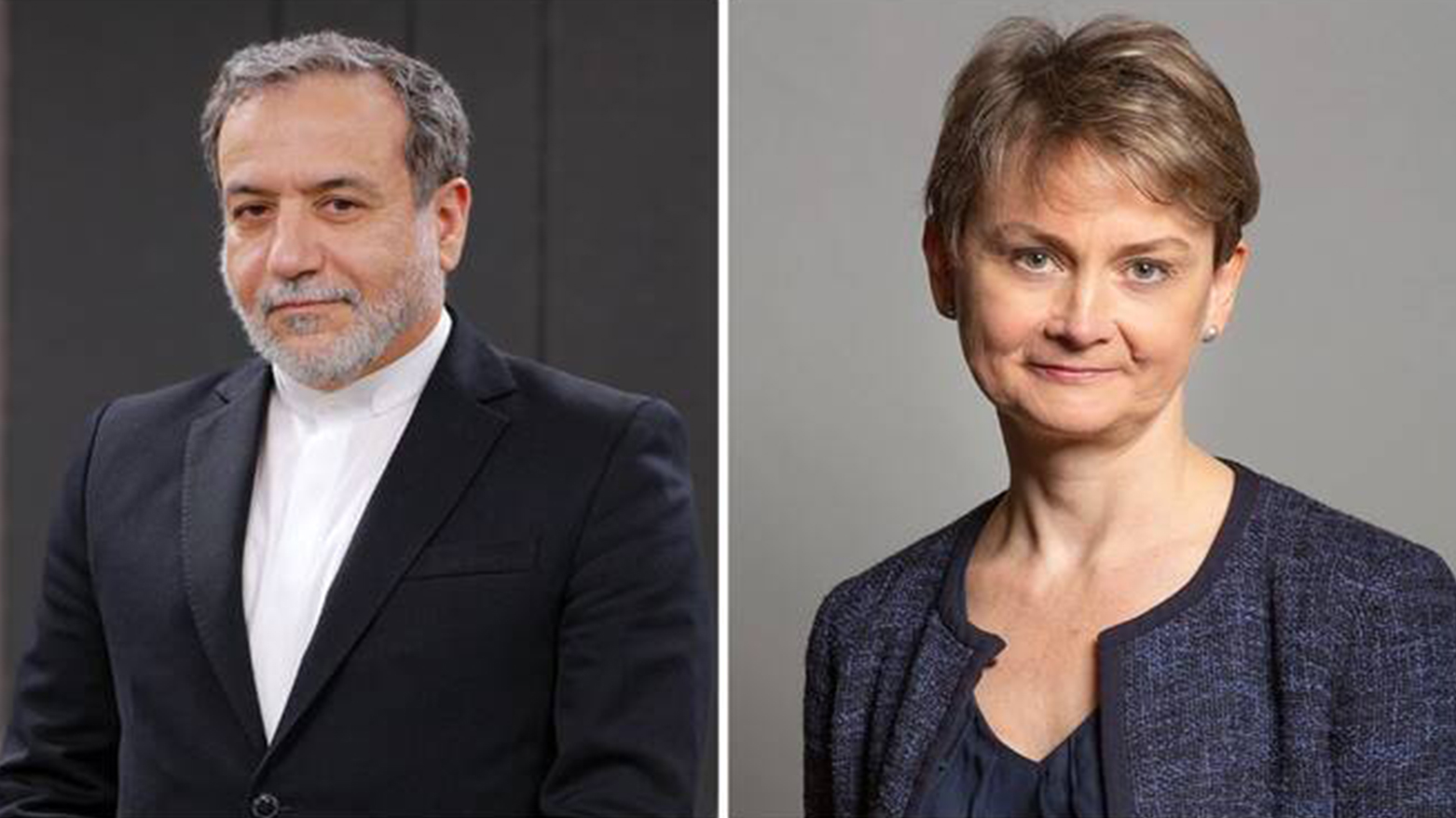
ERBIL (Kurdistan24) — Iran’s Foreign Minister Abbas Araghchi held a phone call with his British counterpart Yvette Cooper on Friday, Iranian state media said Saturday, marking a rare instance of direct diplomatic engagement between Tehran and London amid strained relations.
According to a statement from Iran’s Foreign Ministry, the two ministers “stressed the need to continue consultations at various levels to strengthen mutual understanding and pursue issues of mutual interest.”
The call came against the backdrop of ongoing tensions over Iran’s nuclear program and the status of Western nationals detained in the country.
A UK government source said Cooper emphasized the importance of pursuing a diplomatic solution to Iran’s nuclear issue and raised several additional concerns, including the case of Lindsay and Craig Foreman, a British couple who have been detained in Iran for nearly a year on espionage-related charges. The Iranian statement did not reference the detainees.
The Foremans, both in their early fifties, were arrested in January while traveling through Kerman province in central Iran during a round-the-world motorcycle journey. Iranian authorities have accused the couple of entering the country under the guise of tourism to collect information for foreign intelligence agencies, a claim strongly denied by their family.
During the call, Araghchi also criticized what he described as the “irresponsible approach” of three European countries—Britain, France, and Germany—toward Iran’s nuclear program.
His remarks followed the decision by the three powers in late September to initiate the reinstatement of United Nations sanctions on Iran, citing concerns over Tehran’s nuclear activities.
The conversation marked the first contact between the two foreign ministers since October, reflecting limited but ongoing channels of communication despite political and diplomatic friction.
Relations between Iran and the United Kingdom have remained tense for years, shaped by disputes over Iran’s nuclear ambitions, sanctions, regional policies, and the detention of dual nationals and foreign citizens.
London, alongside France and Germany—collectively known as the E3—has been a key participant in efforts to revive or replace the 2015 Joint Comprehensive Plan of Action (JCPOA), which aimed to limit Iran’s nuclear program in exchange for sanctions relief.
Iran has repeatedly accused European powers of failing to uphold their commitments under the agreement after the United States withdrew in 2018 and reimposed sweeping sanctions. The recent move by the E3 to pursue the reactivation of UN sanctions has further strained ties, with Tehran warning it could respond by scaling back cooperation with international nuclear inspectors.
The detention of foreign nationals, including British citizens, has been a persistent source of friction between Iran and Western governments, which often view such cases as leverage in broader diplomatic disputes. Tehran denies holding individuals for political reasons, insisting that arrests are based on national security concerns.
Despite these tensions, intermittent high-level contacts—such as Friday’s phone call—underscore cautious efforts by both sides to keep diplomatic channels open, particularly as discussions over Iran’s nuclear program and regional stability continue to face significant challenges.