Saudi Arabia Urges Yemeni Separatists to Withdraw as Humanitarian Breakthrough Raises Cautious Hope
Riyadh seeks to contain rifts within the anti-Houthi camp while rival sides agree on body recovery and a landmark prisoner exchange.
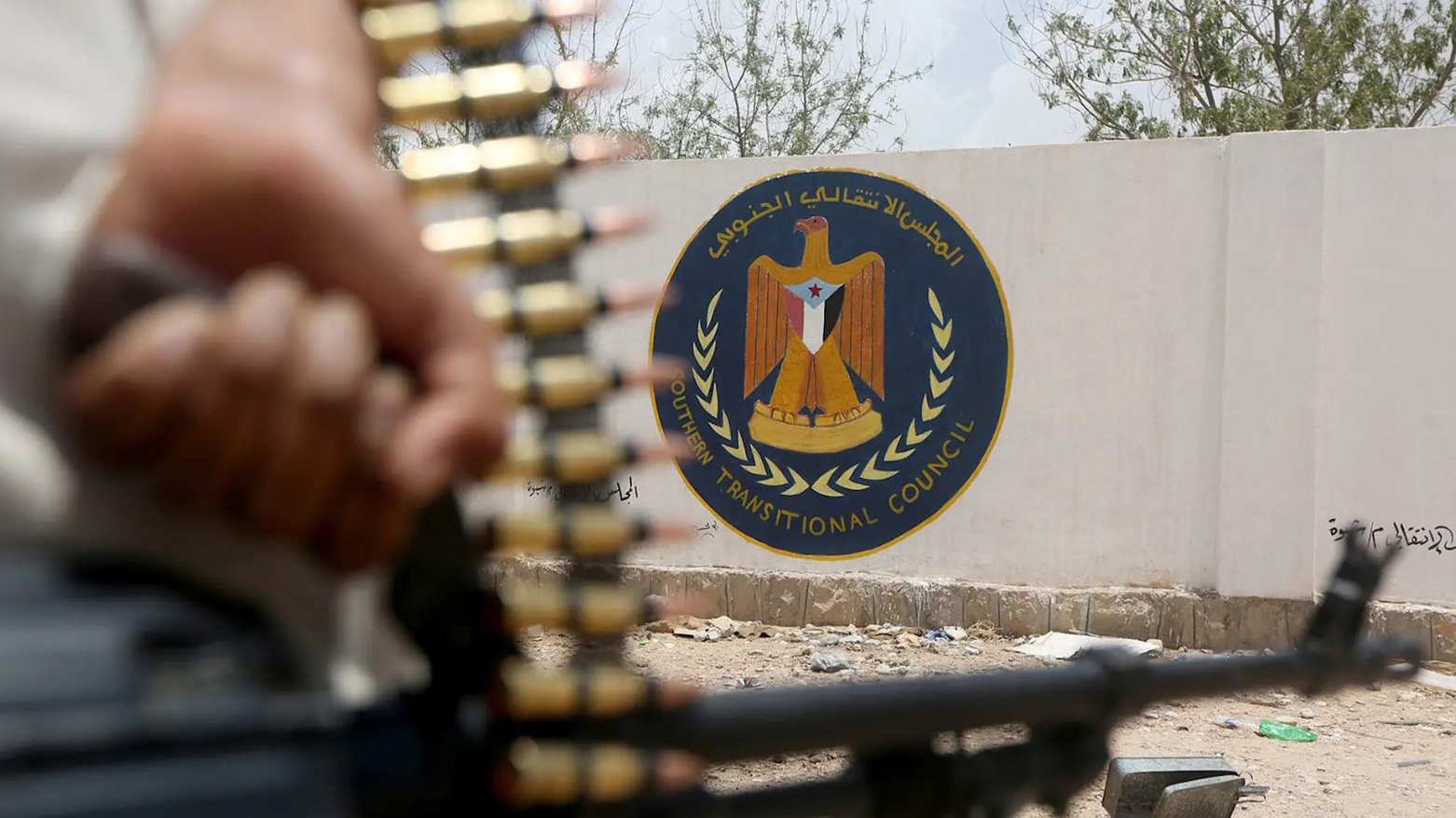
ERBIL (Kurdistan24) — Saudi Arabia on Thursday called on Yemen’s Southern Transitional Council (STC) to withdraw from territory it recently seized in the country’s east, warning that unilateral military moves risk deepening internal divisions within the internationally recognized government and undermining efforts to stabilize the war-torn nation.
In a statement, the Saudi Foreign Ministry said the STC’s recent deployments in the governorates of Hadramawt and Al-Mahra were carried out without the approval of Yemen’s Presidential Leadership Council (PLC) or coordination with the Saudi-led coalition backing the government.
“The Kingdom of Saudi Arabia points out that the military movements were carried out unilaterally,” the statement said, adding that the actions led to an “unjustified escalation that harmed the interests of the Yemeni people with all of its segments.”
Saudi Arabia, the main backer of Yemen’s internationally recognized government, said it was working to de-escalate tensions within the government camp and expressed hope that the STC would end its escalation and withdraw its forces “in an urgent and orderly manner.”
The STC, which is backed by the United Arab Emirates and seeks to revive the formerly independent state of South Yemen, is formally part of the internationally recognized government—a fragile coalition united primarily by its opposition to the Iran-backed Houthi movement.
Earlier this month, STC forces swept through swathes of southern and eastern Yemen, expelling other government-aligned forces and triggering fears of renewed fragmentation and possible secession.
According to the Saudi statement, a joint Saudi-Emirati military delegation traveled to the southern port city of Aden earlier this month to press the STC to reverse its territorial gains. A source close to the separatist group told AFP at the time that the delegation requested a withdrawal, but the STC refused.
The episode highlights persistent fault lines within Yemen’s anti-Houthi camp. The eight-member PLC that heads the government includes figures aligned with Riyadh alongside separatist leaders and their allies supported by Abu Dhabi, complicating efforts to present a unified front amid a protracted conflict.
Humanitarian step offers rare optimism
The political tensions come as rival sides in Yemen announced a significant humanitarian agreement that has raised cautious hopes for easing some of the war’s most painful consequences.
On Wednesday, Yemen’s Houthi rebels and the internationally recognized government said they had agreed to recover and exchange bodies from battlefields across the country, a move linked to a landmark prisoner swap that could see nearly 3,000 detainees freed.
The agreement was signed under the auspices of the United Nations and the International Committee of the Red Cross (ICRC). Abdulqader al-Mortada, a negotiator with the Houthi delegation, said the deal would cover “all fronts and all areas” of the conflict and could help reveal the fate of thousands of missing people.
Government negotiator Majed Fadail confirmed the signing to AFP, describing it as an annex to a broader prisoner exchange agreement reached a day earlier. If fully implemented, the swap would be the largest prisoner exchange since the war began in 2015.
While officials have released few operational details, diplomats and humanitarian observers have urged both sides to follow through, viewing the measures as critical confidence-building steps in an otherwise stalled peace process.
A war without a settlement
Yemen’s 11-year war began after the Houthis seized large parts of the country, including the capital Sanaa, in 2014, prompting a Saudi-led military intervention the following year. The conflict has killed hundreds of thousands of people, directly and indirectly, and plunged Yemen into one of the world’s worst humanitarian crises, marked by widespread hunger, disease, and displacement.
Although large-scale fighting has declined since a UN-brokered truce in 2022, negotiations toward a comprehensive political settlement have repeatedly stalled amid deep mistrust and unresolved economic and security disputes.
The latest humanitarian agreements followed nearly two weeks of talks in Muscat, hosted by neighboring Oman, which has played a key mediating role by facilitating indirect negotiations between the warring sides.
They also build on earlier confidence-building measures, including the Saudi-Iranian rapprochement brokered in early 2023, which paved the way for the release of nearly 900 prisoners later that year.
While the agreements fall short of ending the war, observers say they represent meaningful progress. For thousands of Yemeni families still searching for missing loved ones, the recovery of remains and the prospect of prisoner releases offer a rare measure of hope after years of uncertainty.