Japan Cabinet Approves Record ¥122.3 Trillion Budget Amid Rising Debt Costs and Defense Buildup
Japan's Cabinet approved a record ¥122.3 trillion budget for FY2026, boosting defense and tech spending while facing unprecedented debt-servicing costs.
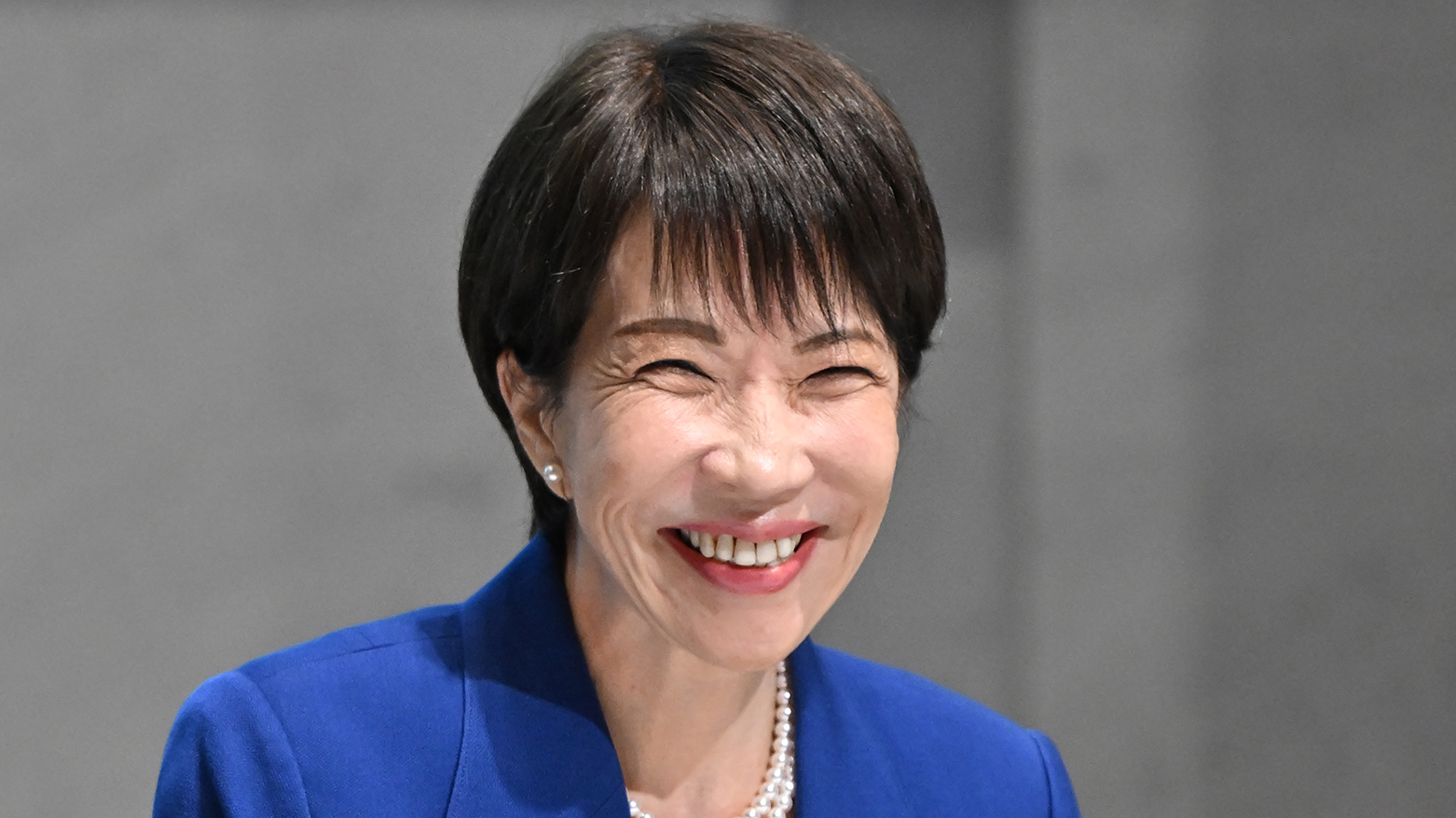
ERBIL (Kurdistan24) – Japan's Prime Minister Sanae Takaichi’s Cabinet approved a record-breaking draft budget of ¥122.3 trillion ($783 billion) for fiscal year 2026 on Friday, signaling an aggressive push for economic growth and military expansion despite deepening concerns regarding the nation’s fiscal health.
The proposal, which represents a ¥7.1 trillion increase from the current fiscal year’s initial budget, underscores the administration’s strategy of utilizing expansionary fiscal policy to bolster defense capabilities and the semiconductor industry, even as rising interest rates drive government debt-servicing costs to unprecedented levels, according to reports from The Japan Times, Kyodo News, and NHK.
The budget plan, scheduled to be submitted to the parliament during the regular Diet session beginning January 23, marks the first full-year spending blueprint orchestrated by Prime Minister Takaichi since she took office in October.
The Japan Times reported that the government plans to bridge a significant revenue shortfall by issuing ¥29.6 trillion in new government bonds. While Finance Minister Satsuki Katayama emphasized that new bond issuance would remain below ¥30 trillion for the second consecutive year, the reliance on debt highlights the precarious financial position of an economy that Kyodo News notes has the worst fiscal health among the Group of Seven nations.
A central feature of the fiscal 2026 budget is the historic rise in debt-related costs, driven by shifting monetary conditions. The Japan Times reported that debt-servicing costs—covering both principal redemption and interest payments—are set to reach a record ¥31.3 trillion, accounting for approximately one-quarter of the total budget outlay.
This surge is attributed to a sharp increase in long-term government bond yields, which move inversely to prices and have reached their highest levels in decades.
To accommodate this reality, the Finance Ministry revised its assumed interest rate for calculating debt costs to 3 percent, a significant jump from the 2.6 percent used during budget estimates in August and the 2.0 percent rate applied in fiscal 2025, according to Kyodo News.
On the expenditure side, the Takaichi administration has prioritized national security and strategic industrial competitiveness. The Japan Times highlighted that the government is undertaking a significant defense buildup, accelerating its goal to bring defense spending to 2 percent of gross domestic product in fiscal 2025, two years ahead of the original 2027 target.
While the general allocation for defense stands at roughly ¥8.8 trillion, the Defense Ministry reported a total budget exceeding ¥9 trillion when expenses related to United States troops in Okinawa are included.
Kyodo News placed the earmark for defense-related purposes at a record ¥9.04 trillion, reflecting the government's plan to fundamentally reinforce the country's defense capabilities amidst a tense regional security environment.
Simultaneously, the government is directing substantial capital toward the technology sector.
The Japan Times reported that the Ministry of Economy, Trade and Industry has nearly quadrupled its financial commitment to companies and institutions involved in semiconductor manufacturing and artificial intelligence development.
This allocation has surged from the current ¥333 billion to approximately ¥1.23 trillion, aligning with Takaichi’s vow to achieve a strong economy through investment in strategically important sectors.
Despite the focus on growth and security, the budget is heavily weighed down by social welfare costs, which remain the largest share of national outlays due to Japan’s rapidly aging population.
NHK reported that social security spending will top ¥39 trillion, driven in part by a hike in medical service fees.
Additionally, Kyodo News noted that the budget includes specific provisions for infrastructure and agriculture. Following a deadly sinkhole accident in Saitama Prefecture in January, ¥6.11 trillion has been budgeted to maintain aging water and sewerage systems.
Furthermore, ¥2.30 trillion has been allocated to agriculture and fisheries, partly to stabilize the rice supply amid rising prices.
On the revenue front, the government projects a record tax haul of ¥83.7 trillion, supported by high inflation and solid corporate earnings that are expected to boost income. The Japan Times noted that non-tax revenues are estimated at ¥9 trillion.
Officials argue that the proposed budget maintains a degree of fiscal discipline, citing that the debt-expenditures ratio stands at 24.2 percent, a decrease of 0.7 percentage points from the current fiscal year. Speaking to reporters on Friday, Finance Minister Katayama stated that the proposal balances the realization of a strong economy with fiscal sustainability.
However, the expansionary nature of the budget has drawn scrutiny from financial markets. The Japan Times reported that a series of fiscal moves, including a ¥21.3 trillion stimulus package in November, has raised concerns about sustainability, pressuring the yen against the dollar.
Kyodo News added that Takaichi’s aggressive spending policy could bode ill for a resource-poor country heavily reliant on imported energy, as the currency weakness persists. The outstanding central and local government bonds are projected to total ¥1,344 trillion by the end of fiscal 2026, nearly twice the nation's gross domestic product.
The political landscape further complicated the budget's formulation. Kyodo News reported that the size of the draft was influenced by political concessions necessitated by the ruling bloc’s minority status in the House of Councillors.
To secure support, the government accepted requests from opposition parties, including the Democratic Party for the People, which agreed to back the budget in exchange for progress on its signature policy to raise the nontaxable income threshold.
Education and science projects also received increased funding, with NHK noting an allocation of ¥6 trillion, partly aimed at making high school tuition free. As the Diet session approaches, the administration aims to pass the bill swiftly, positioning the record spending plan as a necessary tool to navigate Japan through a complex era of demographic decline, security threats, and economic transformation.