Iraq and Syria Seize 400,000 Captagon Pills in Joint Anti-Narcotics Operation
Iraq’s Interior Ministry announced the seizure of 400,000 Captagon pills and the arrest of two suspects in a joint anti-narcotics operation with Syria in Homs.
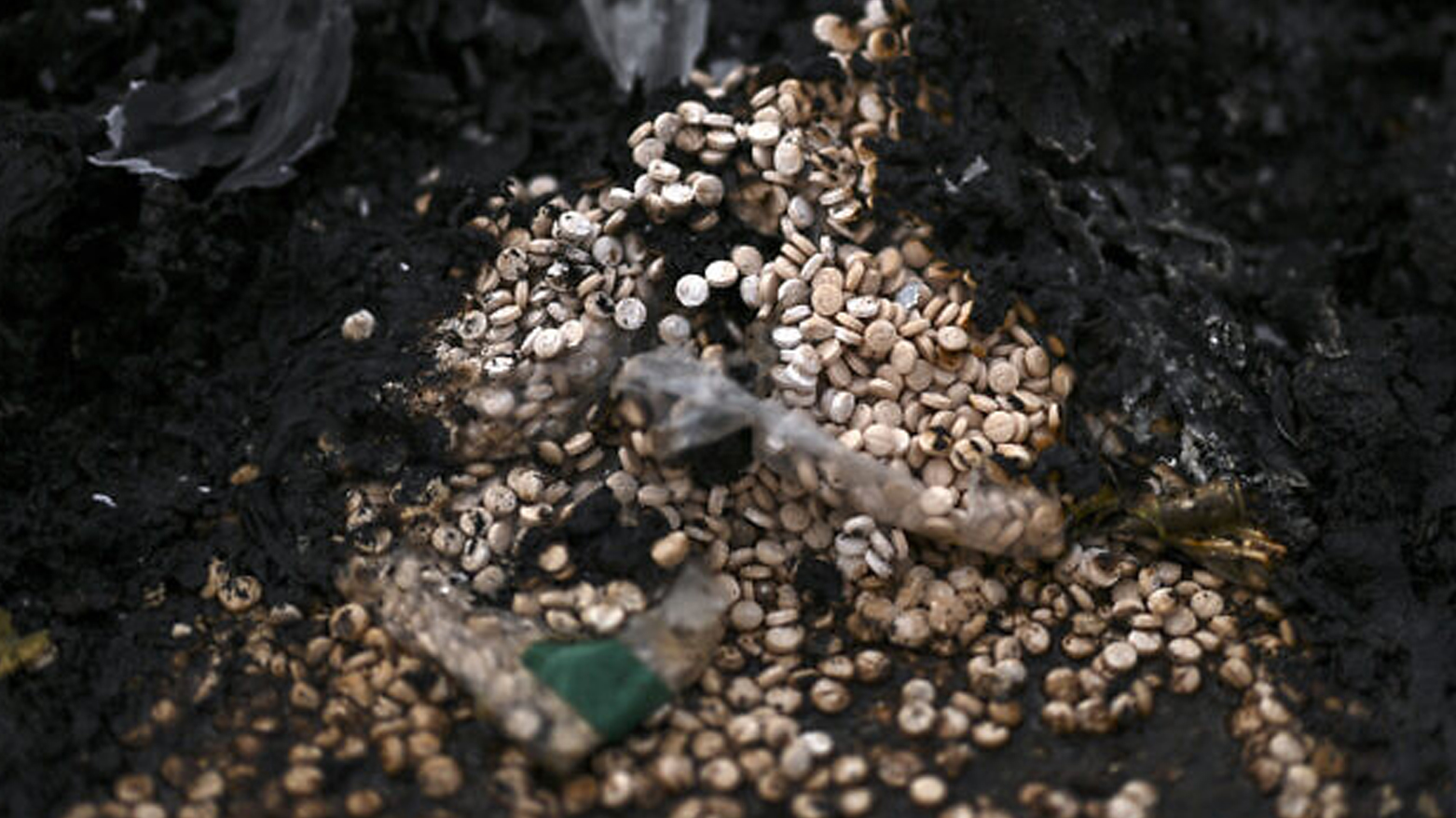
ERBIL (Kurdistan24) - Iraq’s Ministry of Interior announced on Wednesday the seizure of 400,000 Captagon pills and the arrest of two suspects linked to an international drug trafficking network, in a joint security operation carried out in Syria.
According to an official statement from the Iraqi Ministry of Interior, the operation was conducted in cooperation with the Syrian side as part of ongoing intelligence-sharing and joint security coordination with the Syrian Arab Republic.
The ministry said a specialized unit from the General Directorate for Narcotics and Psychotropic Substances traveled to Syrian territory and carried out a targeted operation in Homs province, in coordination and cooperation with Syria’s anti-narcotics authorities.
The operation resulted in the arrest of two suspects identified as members of a criminal network engaged in international drug trafficking. Authorities seized 400,000 Captagon pills that were allegedly prepared for cross-border smuggling.
The ministry described the operation as part of continued preemptive strikes against drug trafficking networks, highlighting what it called the high level of coordination and effective cooperation between the relevant agencies of both countries.
It added that such efforts aim to strengthen regional security and curb the spread of narcotics.
The ministry further stressed that it will continue pursuing drug traffickers wherever they are found, in cooperation with sister and friendly countries, to safeguard society and protect future generations from the dangers of drugs.