Israel Officially Recognizes Somaliland as Independent State, Announces Full Diplomatic Ties
Netanyahu calls move historic, pledges expanded cooperation as Israel becomes first UN member to grant formal recognition.
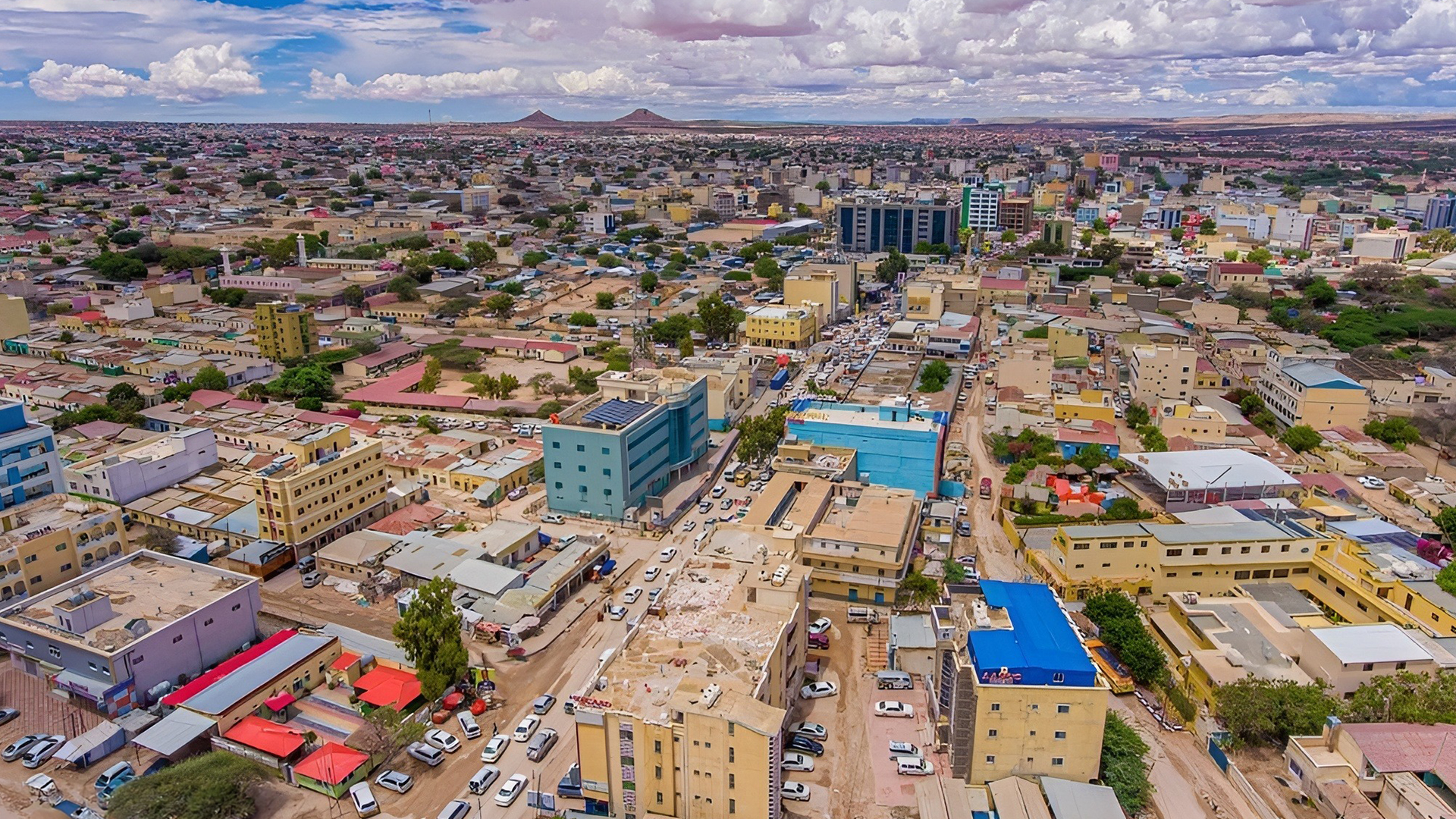
ERBIL (Kurdistan24) — Israeli Prime Minister Benjamin Netanyahu announced on Friday that Israel has officially recognized the Republic of Somaliland as an independent and sovereign state, marking a major diplomatic breakthrough for the self-declared republic that has sought international recognition for more than three decades.
In a statement published on X, Netanyahu said the decision was formalized through a joint declaration signed with Israeli Foreign Minister Gideon Sa’ar and Somaliland President Abdirahman Mohamed Abdullahi.
He described the declaration as being “in the spirit of the Abraham Accords,” the U.S.-brokered normalization agreements initiated under U.S. President Donald Trump.
“I announced today the official recognition of the Republic of Somaliland as an independent and sovereign state,” Netanyahu wrote, adding that Israel plans to immediately expand relations with Somaliland through cooperation in agriculture, health, technology, and the economy. He also invited President Abdullahi to pay an official visit to Israel.
Netanyahu praised the Somaliland leader’s “commitment to promoting stability and peace,” while noting that the president, in turn, thanked him for Israel’s efforts in combating terrorism and advancing regional peace.
The Israeli Prime Minister also acknowledged the roles of Foreign Minister Sa’ar, Mossad Director David Barnea, and Israel’s intelligence services in advancing the agreement.
Foreign Minister Gideon Sa’ar confirmed that Israel and Somaliland had signed an agreement on mutual recognition and the establishment of full diplomatic relations. Writing on X, Sa’ar stated that the agreement would include the appointment of ambassadors and the establishment of embassies in both countries.
“Over the past year, based on an extensive and ongoing dialogue, relations between Israel and Somaliland have taken shape,” Sa’ar said, adding that he had instructed his ministry to act immediately to institutionalize ties “across a wide range of fields.”
Somaliland President Abdirahman Mohamed Abdullahi welcomed Israel’s move, calling it a historic milestone for his country and signaling openness to deeper regional integration. In a statement posted on X, he said Somaliland “warmly” welcomed Netanyahu’s recognition and affirmed its readiness to join the Abraham Accords.
“This step marks the beginning of a strategic partnership that advances mutual interests, strengthens regional peace and security, and delivers shared benefits to all stakeholders, without prejudice to any party,” the Somaliland president said.
Somaliland, located in the Horn of Africa, declared independence from Somalia in 1991 following the collapse of the central government in Mogadishu. The territory corresponds largely to the former British Somaliland protectorate, which briefly gained independence in 1960 before voluntarily uniting with Italian Somaliland to form the Somali Republic.
Despite maintaining its own government, constitution, currency, and security forces, Somaliland has long lacked formal international recognition, with the United Nations, African Union, and most countries continuing to regard it as part of Somalia. The issue of recognition has been particularly sensitive in Africa, where concerns over setting precedents for secession have shaped diplomatic positions.
Israel’s announcement, therefore, represents a significant departure from longstanding international practice and is likely to carry geopolitical implications in the Horn of Africa and beyond.
Somalia has consistently rejected Somaliland’s independence and has opposed any moves by foreign states to engage with Hargeisa as a sovereign government.
Israel’s recognition could encourage other states to reconsider their stance, while also intensifying diplomatic tensions with Mogadishu. The move also aligns with Israel’s broader strategy of expanding ties with non-Arab and peripheral actors in strategically important regions, including the Red Sea corridor and East Africa.
For Somaliland, the recognition by Israel is being hailed as a historic milestone in its decades-long campaign for international legitimacy, even as broader global recognition remains uncertain.